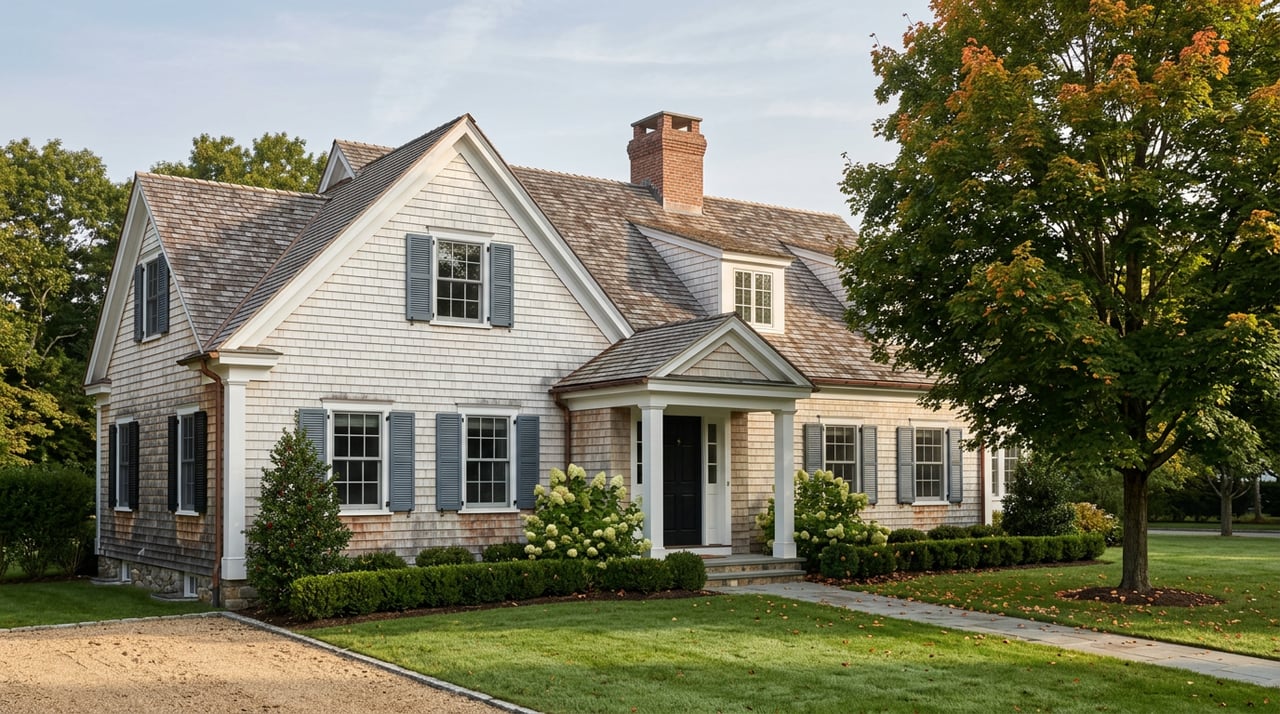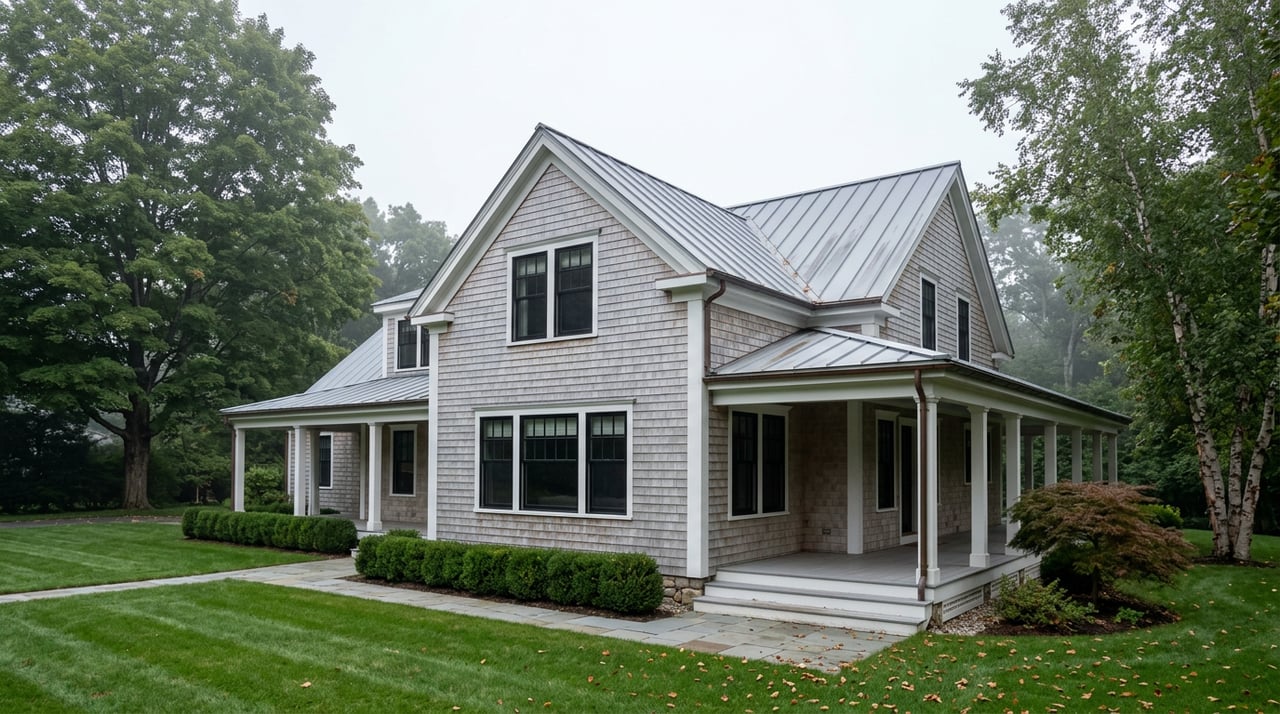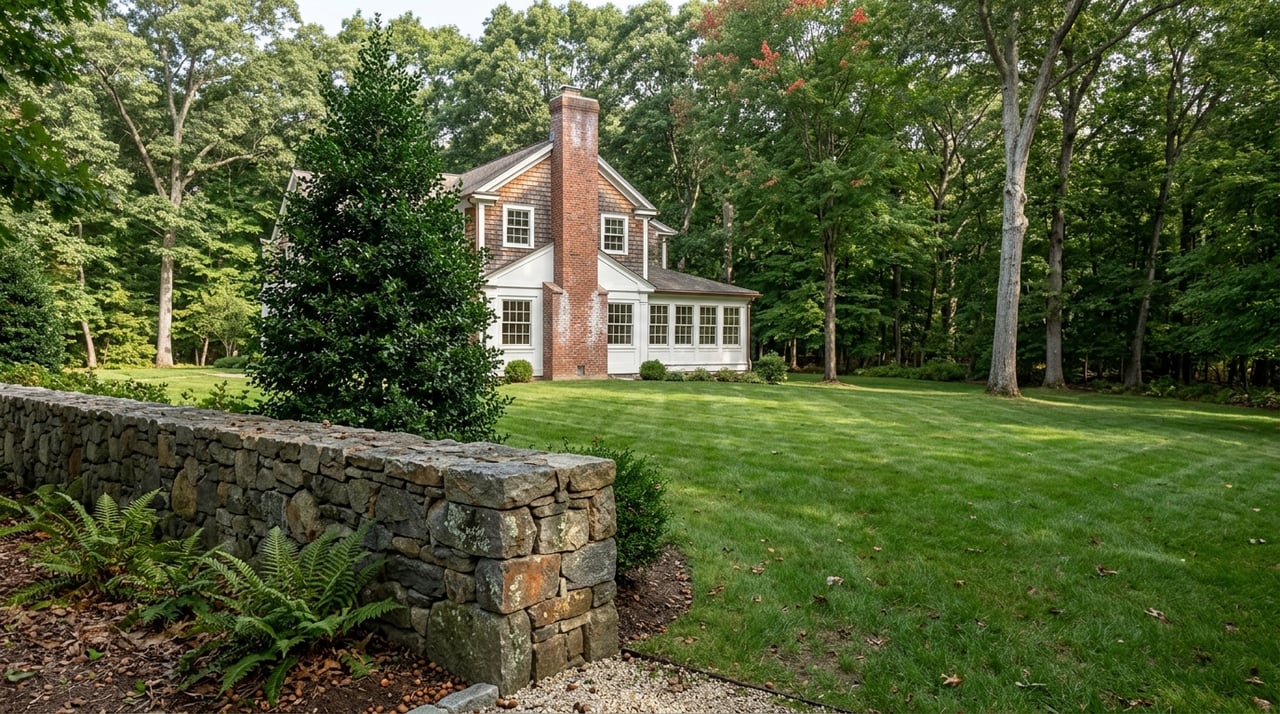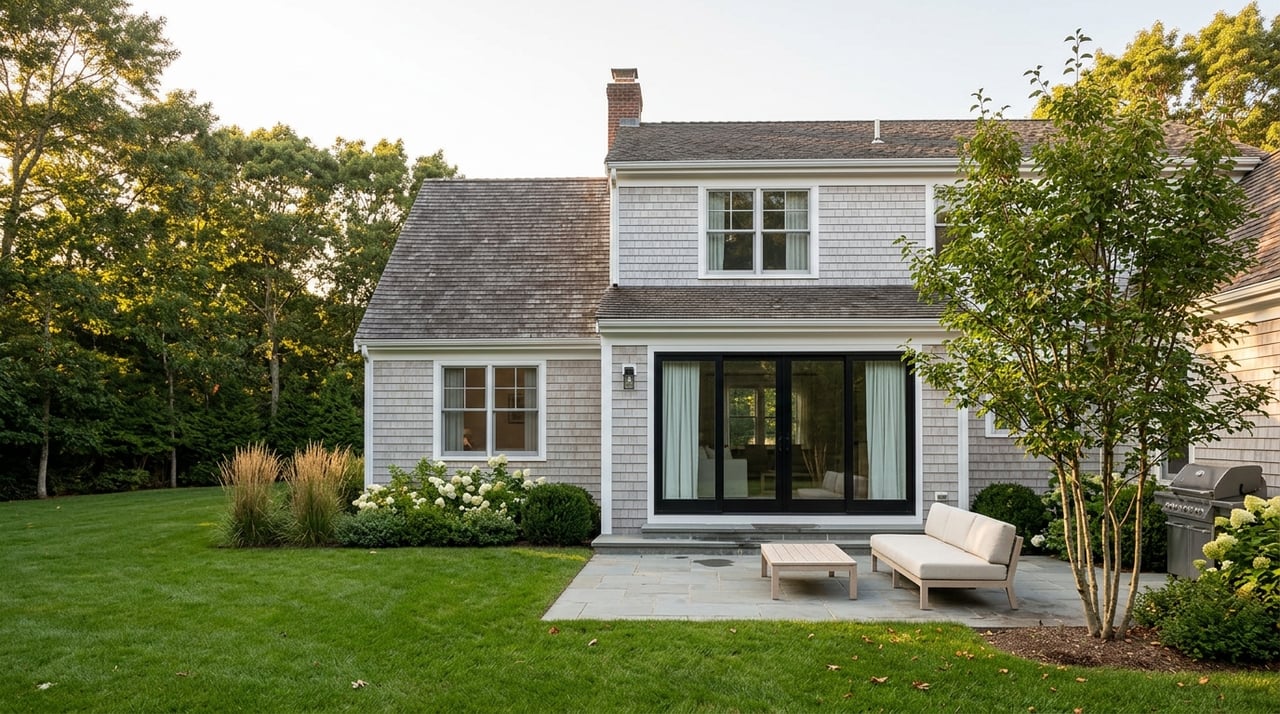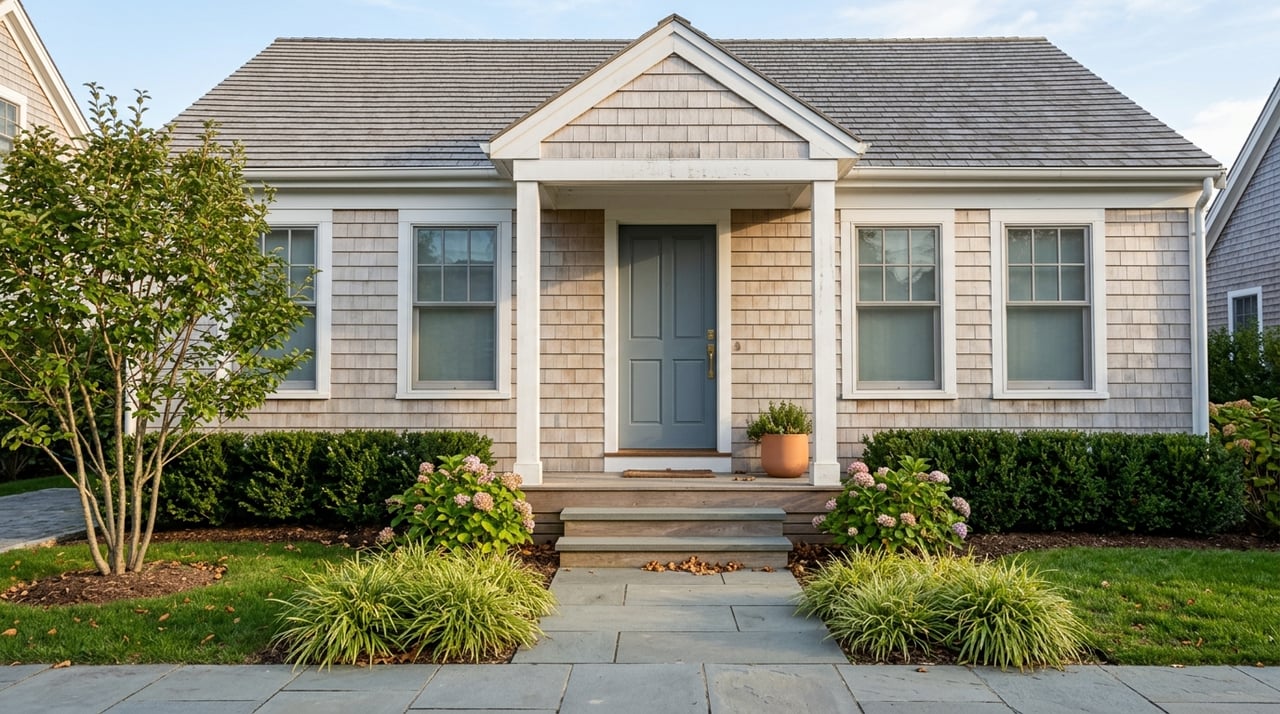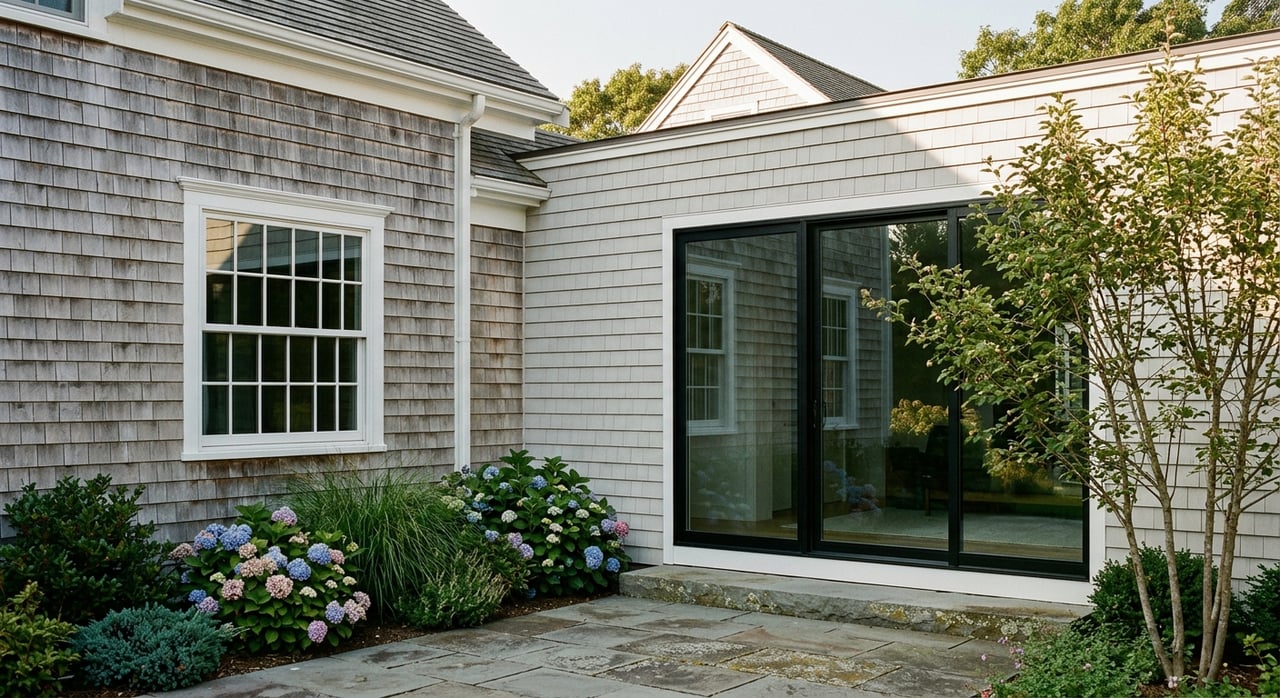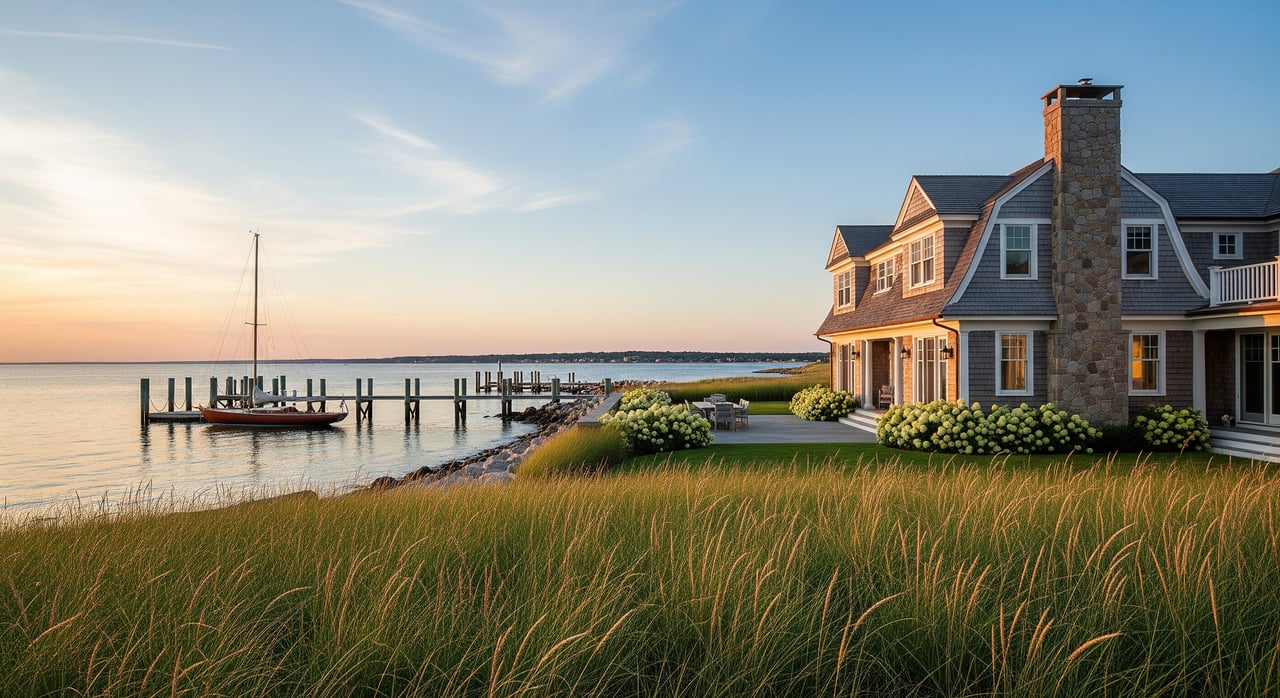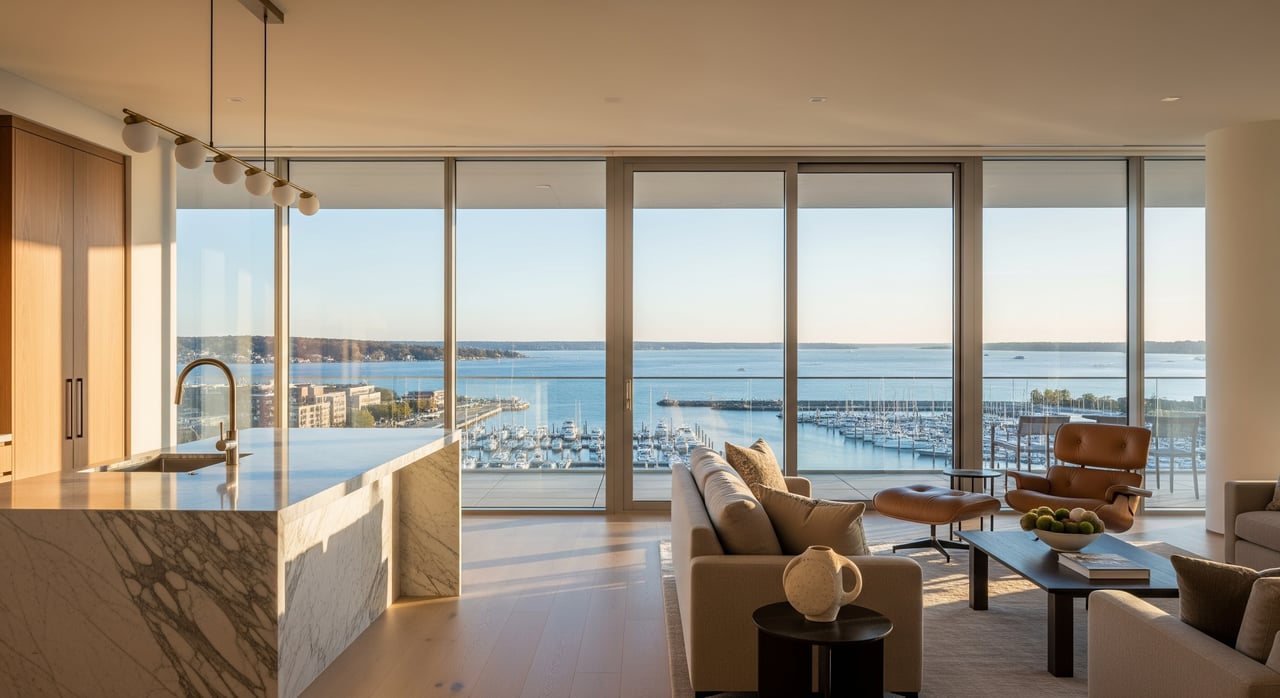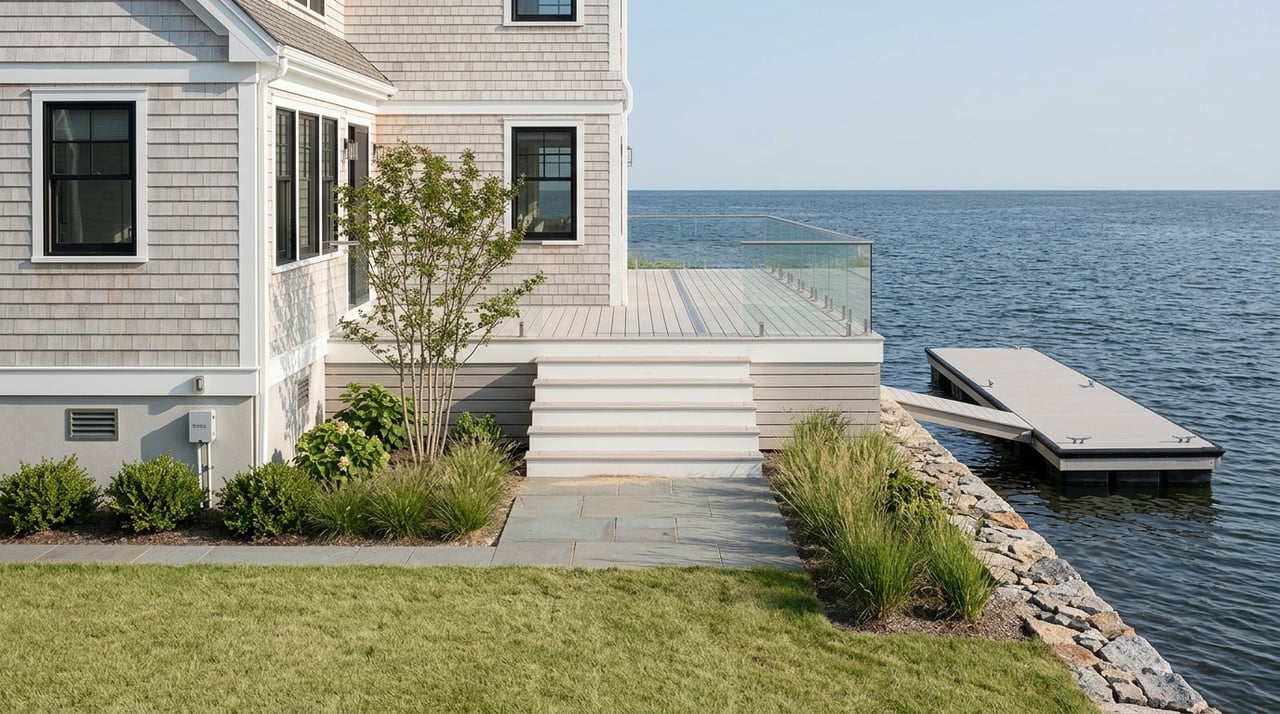
Selling a waterfront home in Norwalk is a different process than selling an inland property. Buyers are not just evaluating square footage and finishes. They are also weighing water views, access, flood risk, insurance costs, shoreline features, and long-term upkeep. If you want to protect value and avoid surprises, you need a plan that matches how this niche market really works. Let’s dive in.
Why waterfront pricing is different
Norwalk’s housing market is active, but it is not one-size-fits-all. According to Realtor.com’s Norwalk market overview, the citywide median listing price was $619,000 in March 2026, with a median 33 days on market. But neighborhood medians vary widely, from $775,000 in East Norwalk to $2.395M in Rowayton.
That gap matters if you are selling on the water. A waterfront home should not be priced off citywide averages alone. Instead, your pricing strategy should focus on waterfront and water-adjacent comparable sales, along with the specific features that make your property more usable, more compliant, and more appealing to buyers.
Recent research also shows why waterfront homes can command strong interest while still requiring careful positioning. A 2024 shoreline value study published by Nature Communications found that shoreline proximity, beach width, and beach views can increase property values, while flood hazards and erosion can reduce them. In simple terms, buyers are shopping for both lifestyle and resilience.
What buyers value most
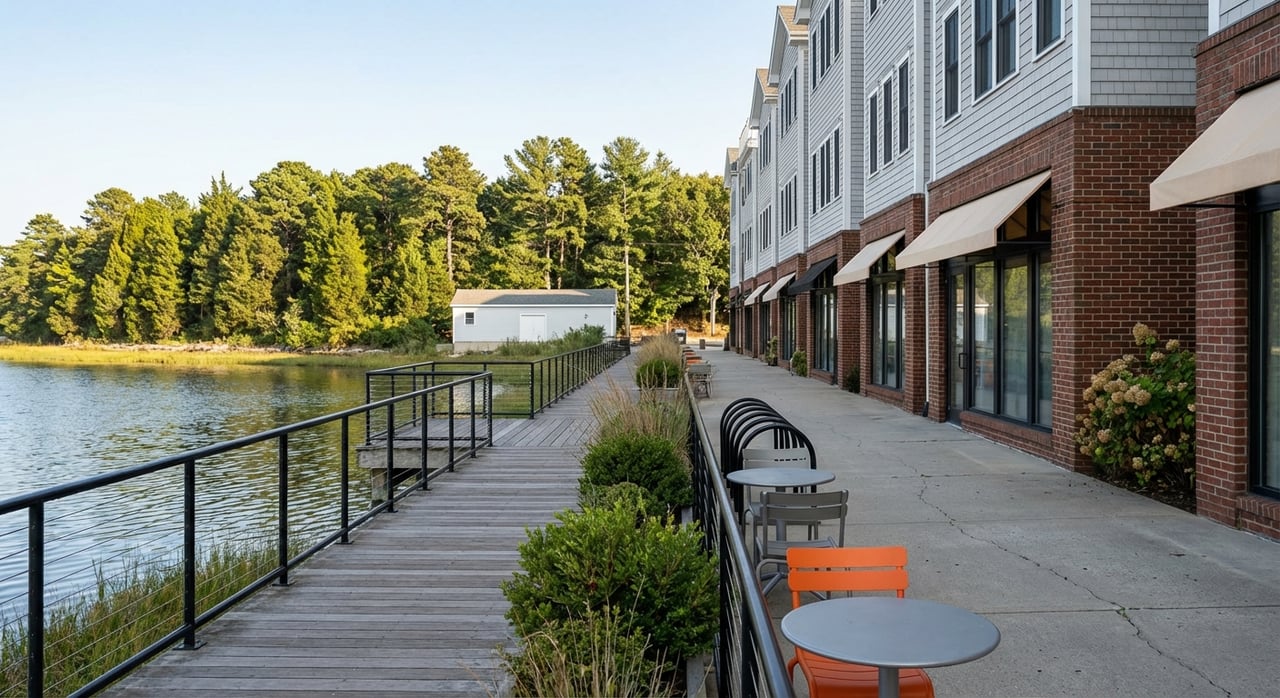
Not every waterfront home offers the same experience. Buyers often pay close attention to the quality of the water view, the amount of frontage, legal water access, and whether a dock or mooring adds real day-to-day usefulness.
Connecticut recognizes littoral rights for shoreline owners, which generally means reasonable access to navigable water. But those rights are not unlimited. They do not give an owner automatic approval for any dock size, and they do not allow an owner to control all boats or moorings in front of the property.
That is why your marketing story and your documentation need to match. If your home has a dock, seawall, or other shoreline improvement, buyers will want to know not just that it exists, but whether it is permitted, maintained, and functional. A well-documented feature can strengthen value. A poorly documented one can slow negotiations or lead to price pressure.
Check permits before you list
For waterfront sellers, compliance is part of preparation. Connecticut DEEP notes in its coastal permit program overview that shoreline structures should avoid impacts to tidal wetlands and submerged aquatic vegetation, and the state discourages oversized or overly intrusive structures.
In Norwalk, local review is often part of the picture too. The city’s zoning permit guidance explains that zoning permits are required before building permits for many projects, and properties within about 1,000 feet of tidal water are generally within the Coastal Area. That means dock work, shoreline changes, grading, and similar improvements may involve more review than a typical inland property update.
Before your home goes live, it is smart to gather records for:
- Docks and boat access improvements
- Seawalls or bulkheads
- Flood vents
- Grading or drainage work
- Utility upgrades near lower levels
- Prior shoreline repairs or alterations
Having these materials ready can help you answer buyer questions quickly and build confidence early.
Confirm flood zone and elevation details
Flood-zone research is one of the first things serious waterfront buyers and their lenders will review. The official source for flood hazard information is FEMA’s Flood Map Service Center. Before listing, you should confirm the property’s flood zone and base flood elevation so you know how to frame the home accurately.
This step matters for both disclosure and buyer planning. FEMA states that flood insurance is required for buildings in a Special Flood Hazard Area when the mortgage is federally backed, and it also notes that standard homeowners insurance usually does not cover flood damage. Because of FEMA’s Risk Rating 2.0 system, two waterfront homes that look similar can have very different insurance costs based on factors like elevation, distance to water, flood type, and rebuilding cost.
An elevation certificate can also be useful, even when it is not strictly required. FEMA explains in its Elevation Certificate FAQ that an elevation certificate is not required to buy flood insurance, but it can support rating, verify compliance, and help with underwriting. For a seller, that can make it a helpful documentation tool during the sale.
Understand Norwalk’s flood rules
Local ordinance matters just as much as the map itself. Norwalk’s Article 110 flood ordinance identifies Zones VE and Coastal AE as coastal high-hazard areas. It also states that residential structures in the relevant flood zones generally must have the lowest floor elevated one foot above base flood elevation.
One detail sellers sometimes overlook is that the ordinance treats the entire structure as being in the Special Flood Hazard Area if any part of it lies there. That means attached decks, garages, and lower-level spaces can become part of the review. Buyers may also ask whether HVAC equipment, tanks, plumbing, and electrical components meet elevation requirements.
This is one reason early prep matters so much for a waterfront sale. If a buyer learns about flood compliance issues late in the transaction, it can affect financing, insurance quotes, inspection responses, and negotiating leverage.
Expect more detailed inspections
Waterfront inspections tend to go beyond the usual checklist. Buyers often look closely at systems and structures that are exposed to salt air, moisture, wind, and shoreline wear.
In addition to the home itself, expect attention on:
- Dock condition and documentation
- Seawall or bulkhead history
- Drainage performance
- Flood vents and enclosed lower levels
- HVAC and utility elevation
- Oil or propane tank placement
- Signs of erosion or prior repair work
Norwalk’s flood ordinance specifically addresses utilities and related components, and Connecticut DEEP notes that seawalls and bulkheads may worsen erosion and often provide only limited flood protection. In other words, a shoreline structure is not always a simple selling point. Buyers want to understand its condition, purpose, maintenance needs, and limits.
Market the lifestyle and the practicality
Waterfront homes sell best when buyers can picture both the experience and the facts. According to the National Association of Realtors consumer guide to marketing your home, strong home marketing may include staging, professional photography, social media, signage, open houses, and MLS exposure. NAR’s guidance also notes that staging helps buyers visualize life in the home.
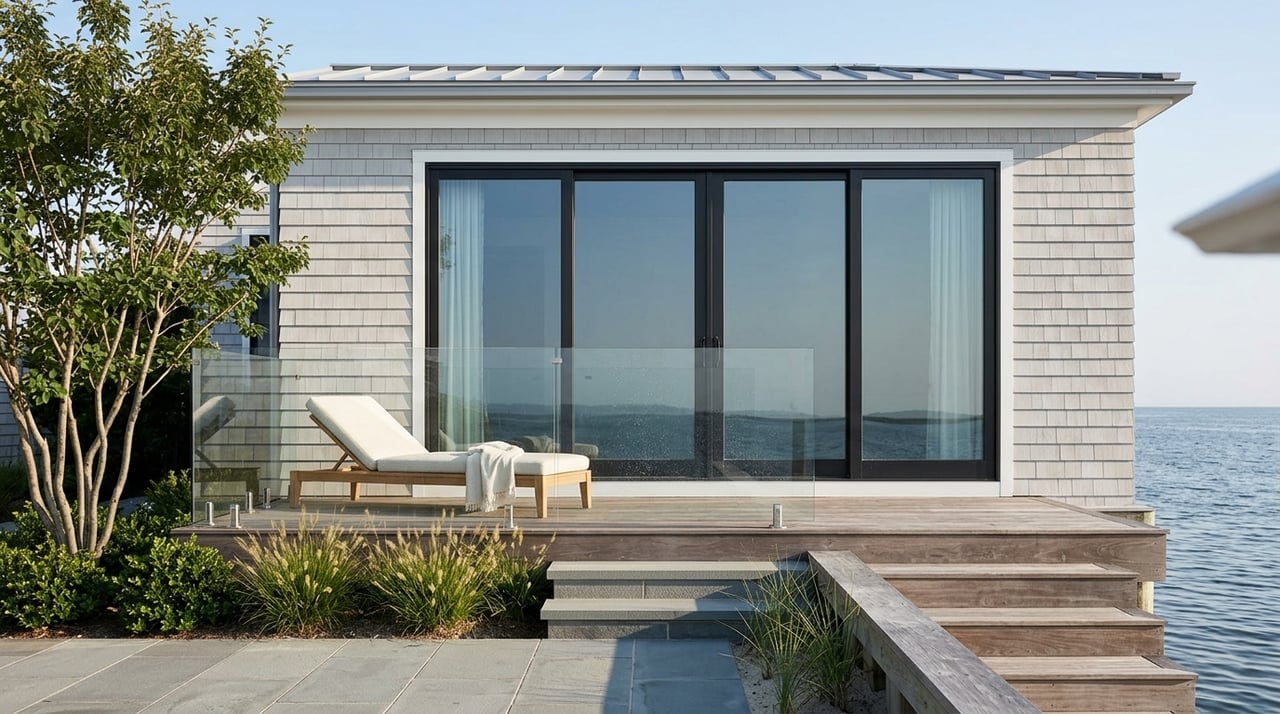
For a Norwalk waterfront listing, that usually means making the view the focal point. Clean windows, open sightlines, uncluttered decks, and polished outdoor living areas can help buyers connect emotionally to the setting.
Visual strategy matters more than usual on the water. NAR also highlights drone imagery and virtual tours as valuable tools for showing outdoor features, surrounding views, and layout. For a waterfront home, aerial imagery can show how the house relates to the shoreline, dock, and water access in a way that standard photos often cannot.
Choose launch timing carefully
Timing a waterfront listing is not only about national seasonality. It is also about when your property shows best. Outdoor spaces, water access, and shoreline views often carry more weight in buyer decisions than they do for inland homes.
The research suggests a practical timeline:
60 to 90 days before listing
Use this window to confirm the flood zone, base flood elevation, permit history, and shoreline documentation. If needed, bring in a surveyor, engineer, or contractor early so you are not solving problems under pressure.
30 to 45 days before listing
Finish repairs, declutter, stage key rooms, and refresh outdoor spaces. This is also the right time to book professional photography, drone shots, and a virtual tour so your marketing is ready before launch.
At launch
Price against waterfront and coastal comps, not inland averages. Make sure the first set of listing images clearly shows the home’s strongest assets, especially views, access, and outdoor living.
During negotiations
Be ready for questions about flood insurance, elevation certificates, dock legality, shoreline condition, and future maintenance costs. Buyers of waterfront homes often do more detailed due diligence, so a well-prepared seller has an advantage.
How to sell with fewer surprises
The strongest waterfront sales usually have one thing in common: preparation. When you know your flood-zone facts, gather permit records, understand the value of your shoreline features, and market the home with clear strategy, you reduce friction and put yourself in a stronger negotiating position.
That is especially important in a segmented market like Norwalk, where one waterfront block can compete very differently from another. A thoughtful pricing plan, polished presentation, and organized documentation can help your home stand out for the right reasons.
If you are thinking about selling a waterfront home in Norwalk, Linda Dunsmore Real Estate can help you build a smart pricing, preparation, and marketing plan tailored to your property and goals.
FAQs
What makes selling a waterfront home in Norwalk different from selling an inland home?
- Waterfront buyers usually look beyond the home itself and focus on views, frontage, water access, flood risk, insurance costs, shoreline structures, and compliance history.
How should you price a waterfront home in Norwalk?
- You should price it using waterfront and water-adjacent comparable properties, not just Norwalk’s overall median price, because the market is highly segmented by location and shoreline features.
What flood information should you gather before listing a Norwalk waterfront home?
- You should confirm the property’s flood zone and base flood elevation through FEMA, and it may also help to gather any elevation certificate and flood compliance records you already have.
Why do buyers ask about docks and seawalls when buying a Norwalk waterfront home?
- Buyers want to know whether shoreline features are permitted, maintained, and useful, because those details can affect value, financing, insurance, and future maintenance costs.
When is the best time to list a waterfront home in Norwalk?
- The best timing is usually when your outdoor spaces, water views, and access features show at their best, with enough lead time to complete repairs, staging, and photography before launch.