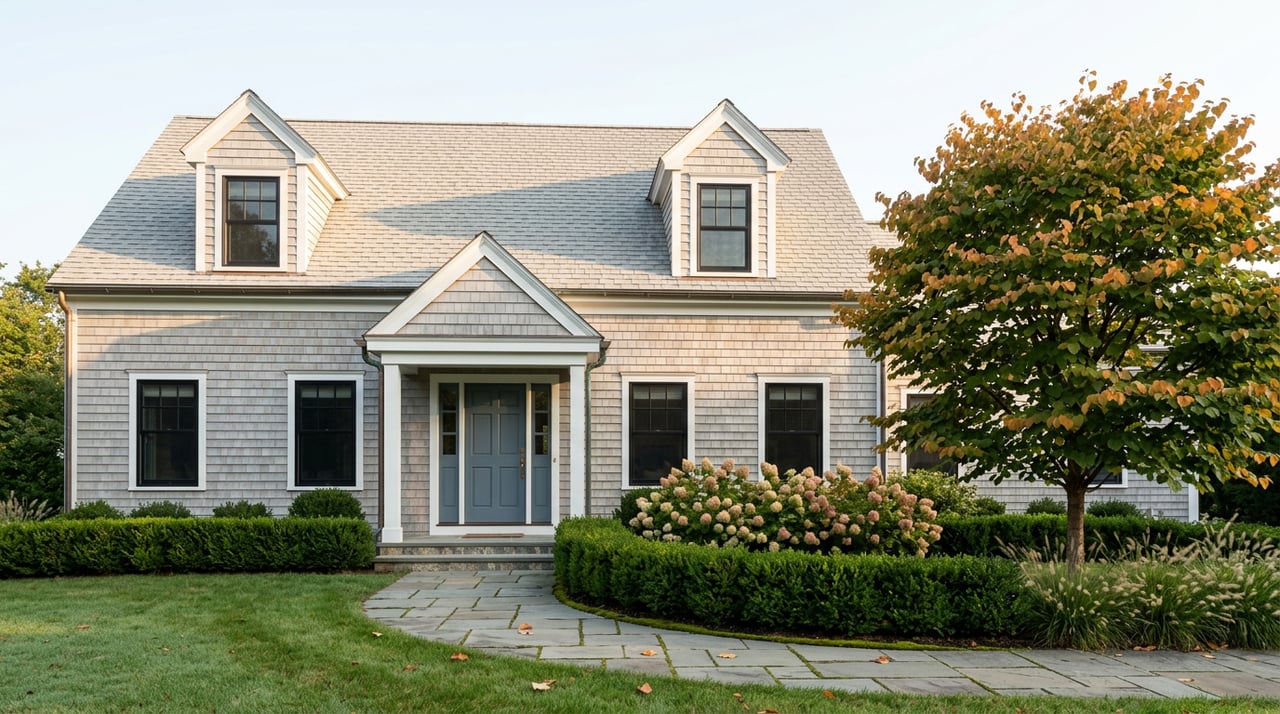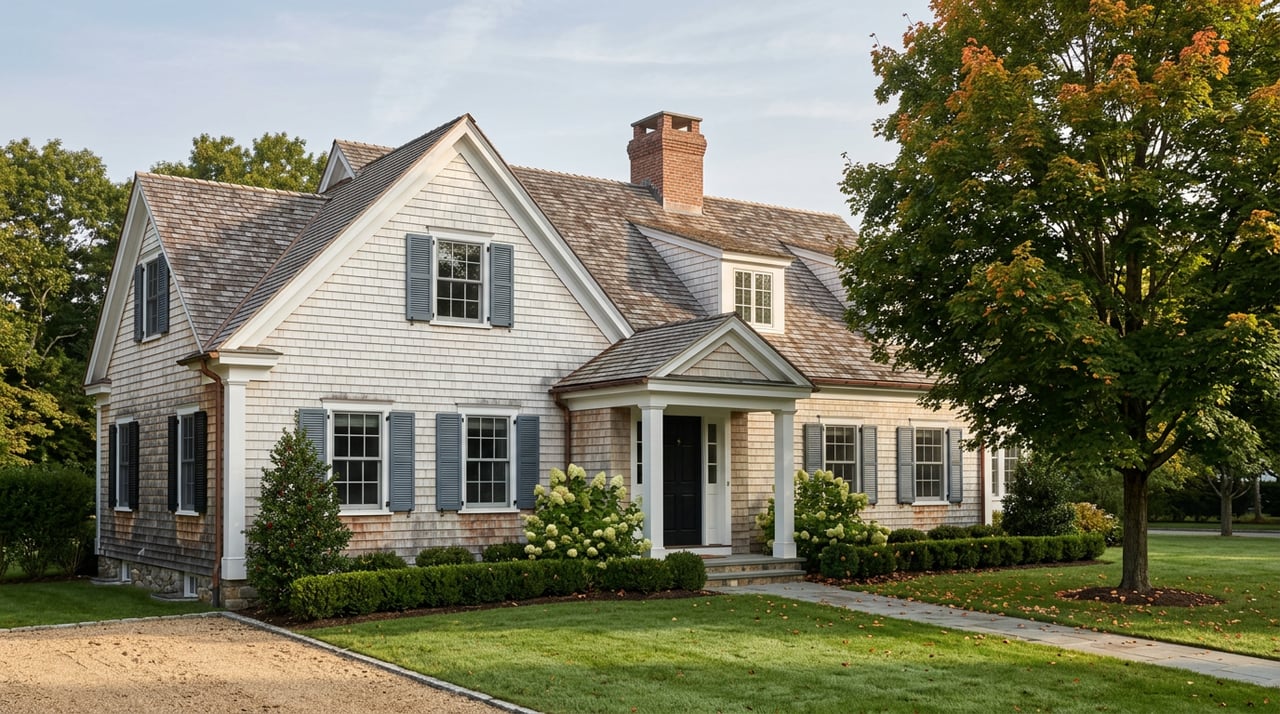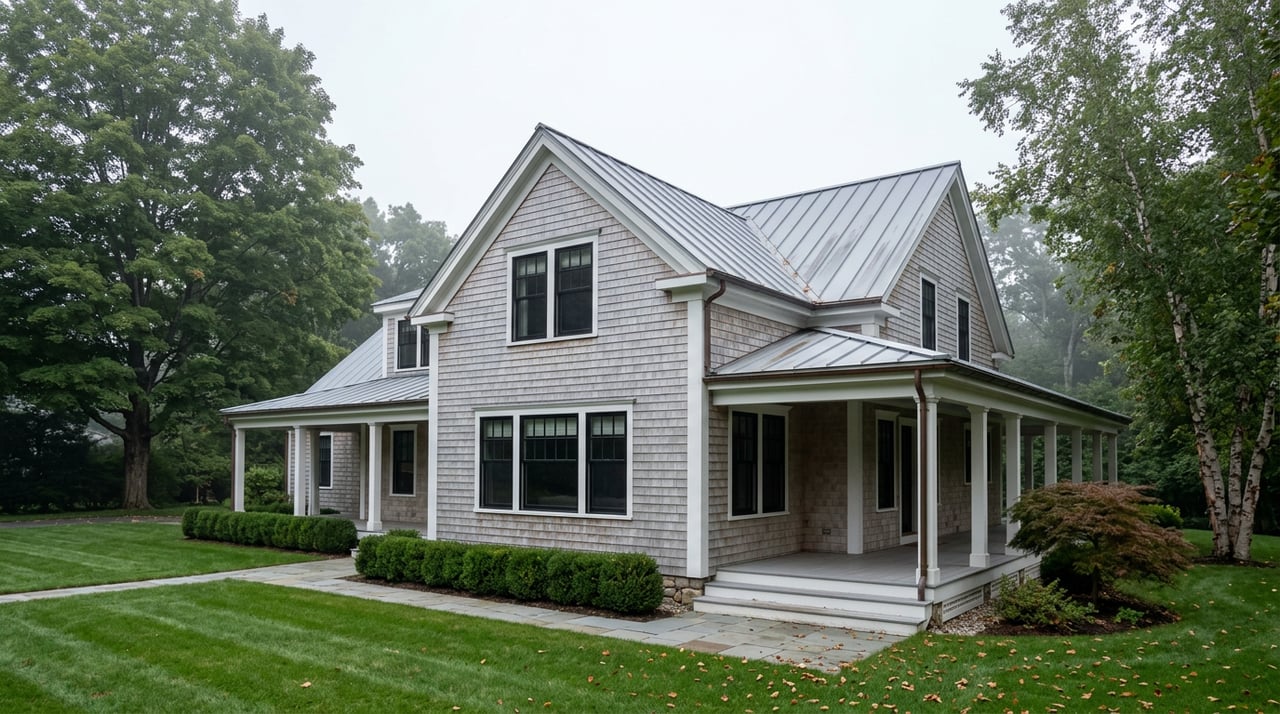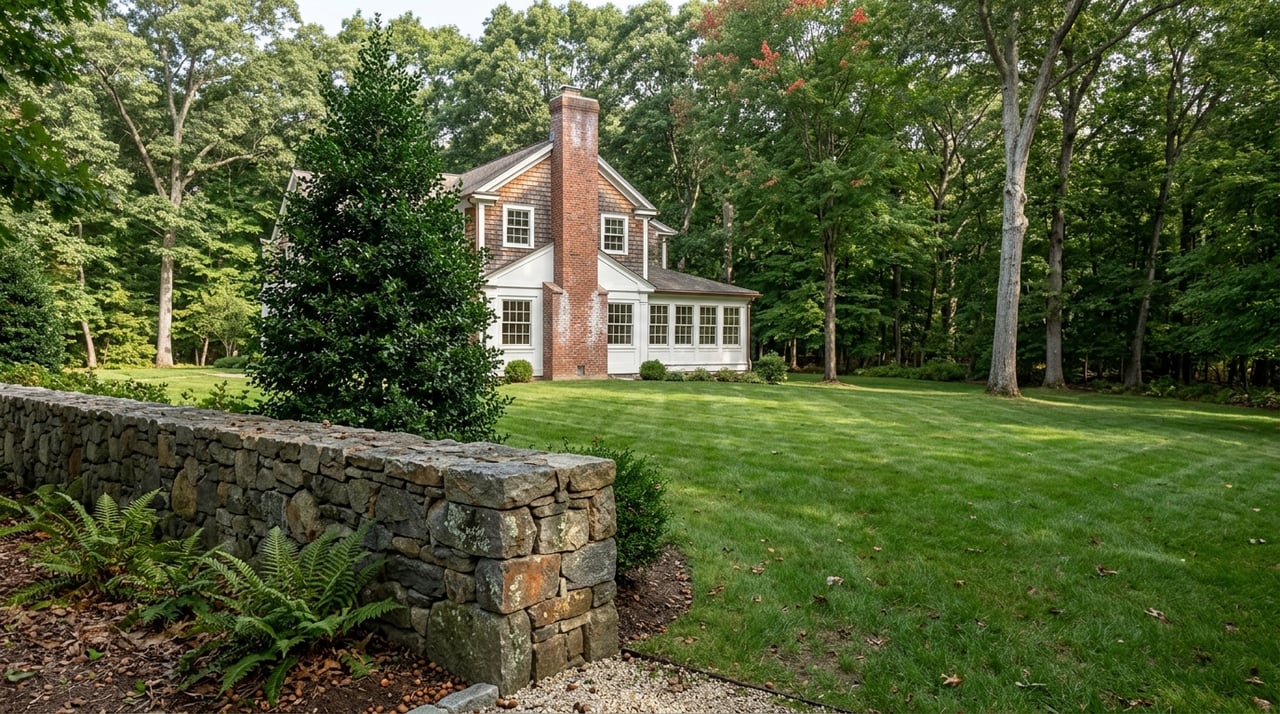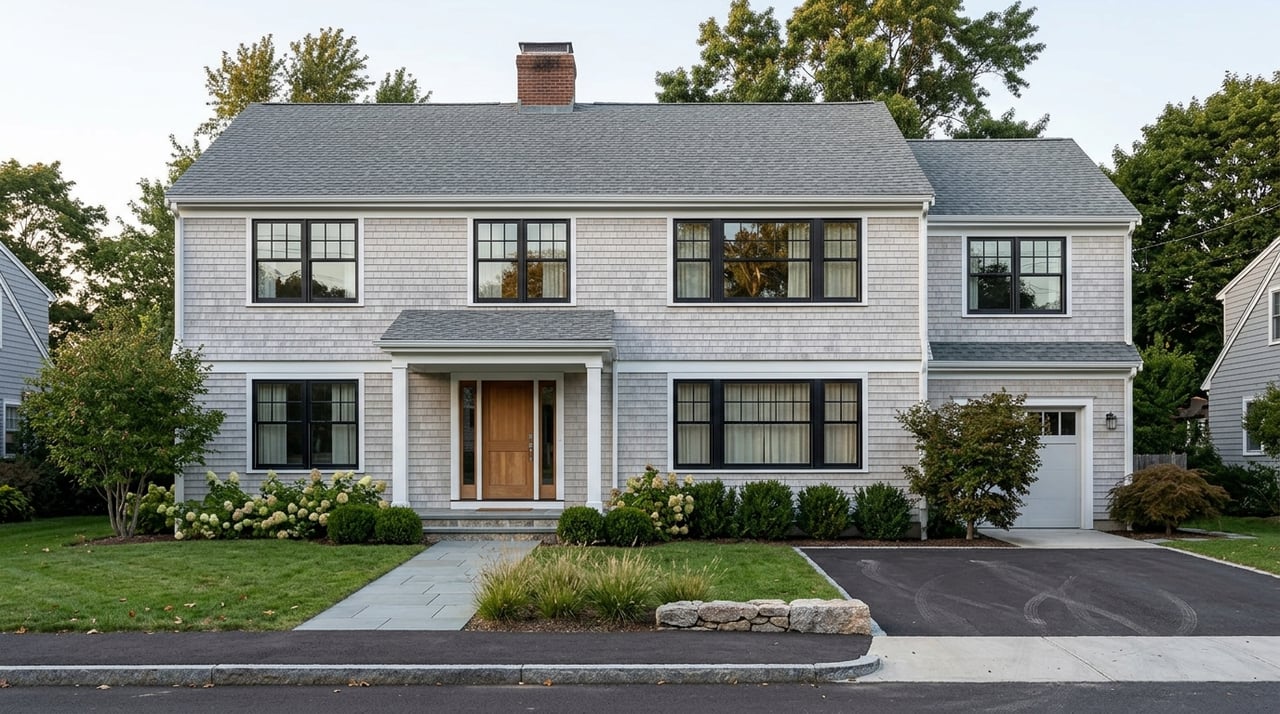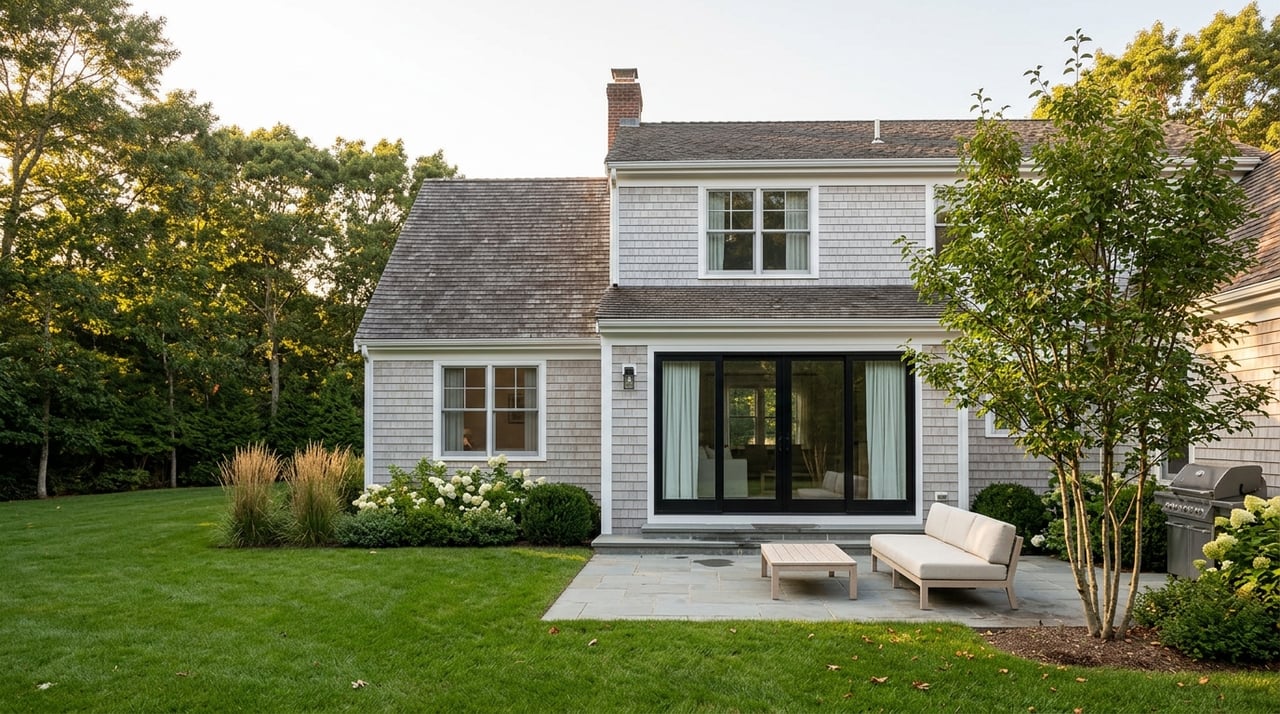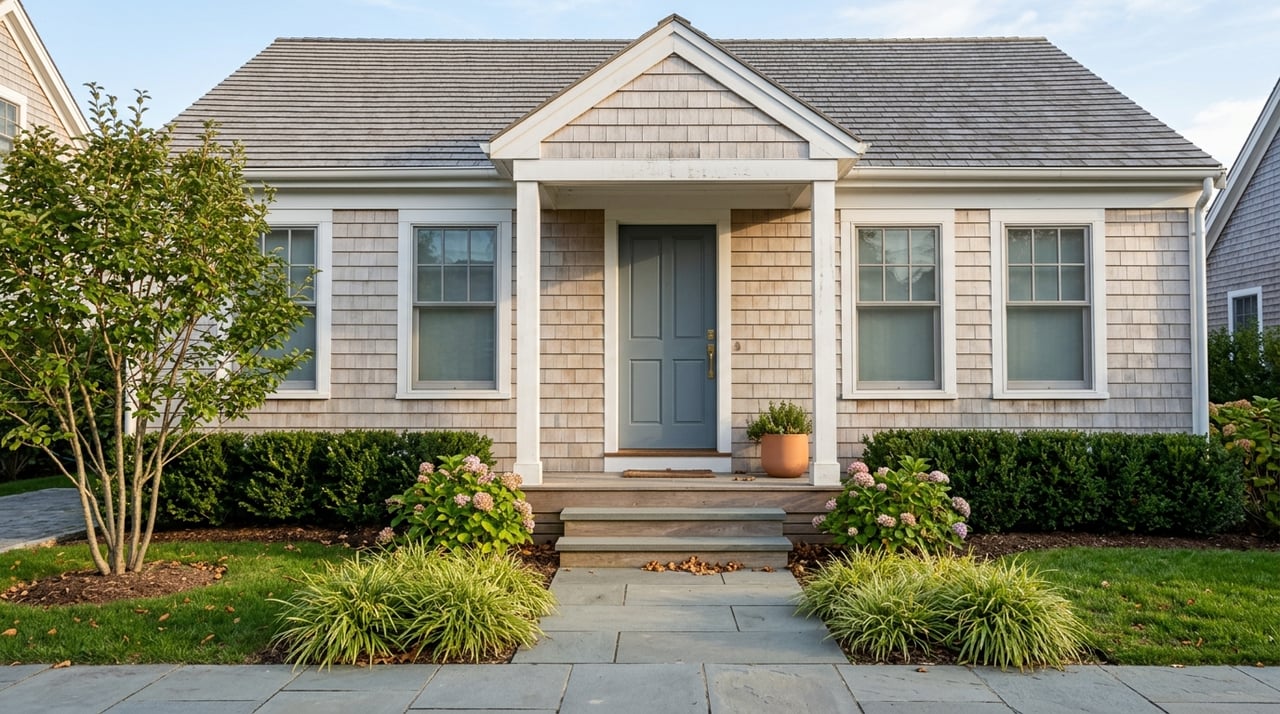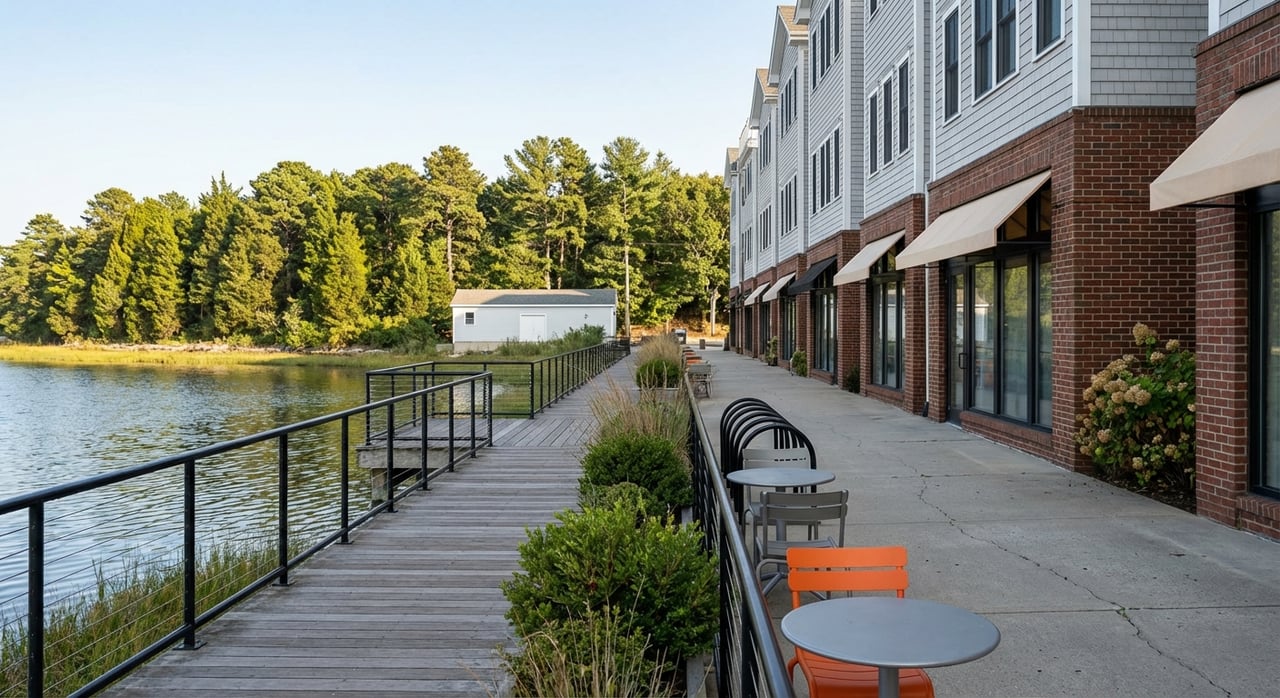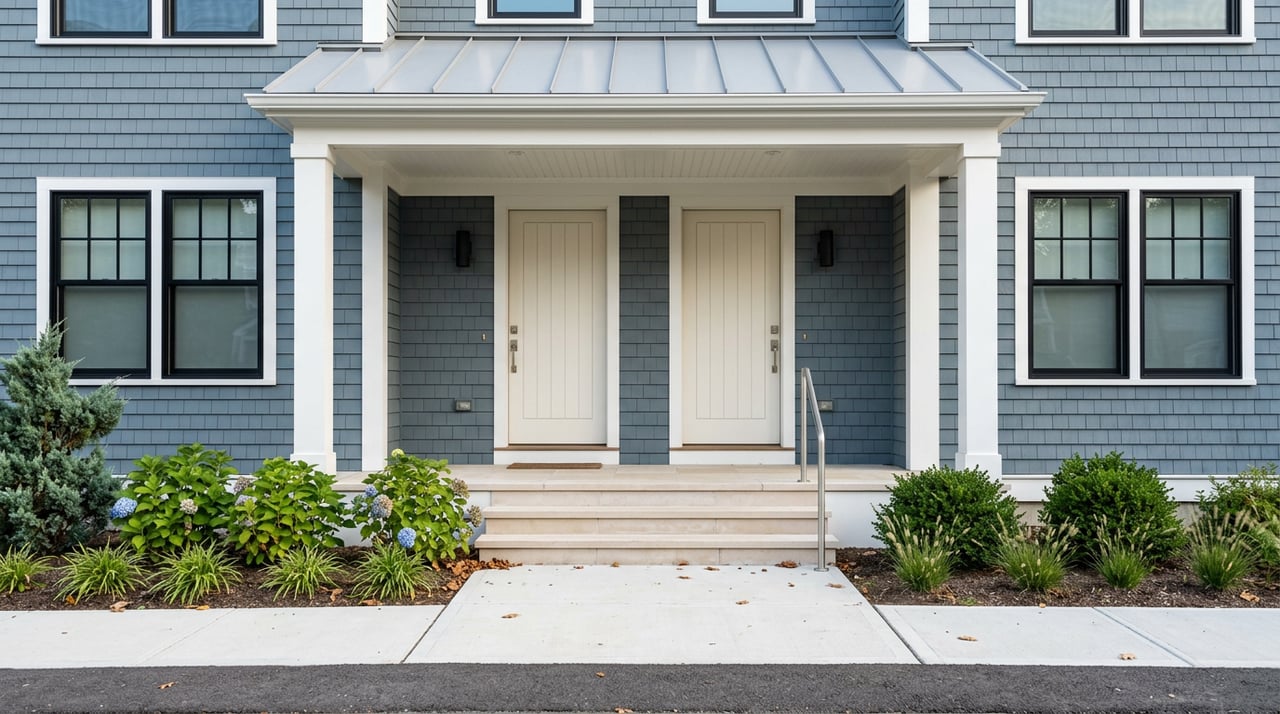
Torn between a low-maintenance condo and a private single-family home in Norwalk? You are not alone. The decision touches your budget, lifestyle, and long-term plans. In this guide, you will see how prices, taxes, HOA fees, maintenance, flood risk, and resale differ in Norwalk so you can choose with confidence. Let’s dive in.
Norwalk market at a glance
Norwalk’s housing market has stayed competitive in recent years, with tight inventory and quick sales in many price bands. Regional coverage noted an inventory uptick in parts of Connecticut in 2025, while many Fairfield County submarkets remained tight, so conditions can shift by neighborhood and month. You should expect local variation by property type and location. For context, recent reporting highlighted these trends across the state and county-level nuances in supply and demand. Local coverage of Connecticut’s shifting inventory is a helpful reference as you time your move.
Prices today
Across all property types, Norwalk’s median sale price was reported in the low $700Ks in early 2026, with one tracker citing about $711,750. Within that citywide number, single-family homes typically trade higher than condos. Many condos, especially in South Norwalk, often list and sell well below single-family medians.
Where condos cluster
You will find a dense mix of condos and townhomes in South Norwalk. This area appeals to commuters and buyers who value walkability, dining, and proximity to the train. Prices for many SoNo condos sit under the city’s single-family medians, which helps first-time buyers and downsizers enter the market.
Single-family hot spots
Areas like Rowayton and Silvermine skew toward single-family homes and carry premium pricing tied to shoreline character or village appeal. East Norwalk, Brookside, and West Norwalk offer varied mixes of single-family, small multifamily, and pockets of condominiums. Local comps can swing quickly by street and amenities, so anchor decisions in recent sales for your exact area.
Cost of ownership compared
Your monthly cost is more than your mortgage. In Norwalk, taxes, HOA fees, insurance, maintenance, and utilities add up differently for condos and single-family homes.
Property taxes explained
Norwalk uses taxing districts with slightly different mill rates. After recent revaluation changes, several districts were reported in the low-to-mid 20s mill range, with examples around 23.84 mills and one district closer to 22.36 mills. Verify the current year’s rate and your specific district. A clear explainer on mill rates and sample math can help you estimate your bill. See a plain-language overview in this local primer on how mill rates work, and recent district-level updates in city budget coverage.
Quick math many buyers use in Norwalk: assessed value is often communicated as about 70 percent of market value for sample calculations. Annual tax equals assessed value times the mill rate divided by 1,000. Always confirm your property’s actual assessed value and district rate before finalizing numbers.
HOA fees for condos
Condos and some townhomes include monthly HOA or common charges. In Norwalk, many mid-market buildings show fees from roughly 150 to 600 dollars per month, with higher fees in waterfront or amenity-rich buildings. Charges often cover exterior maintenance, grounds, snow removal, common-area insurance, and sometimes water or heat. Inclusions vary by association, so review the budget and the line items. For a building-specific example of what fees can include, see this local overview of a Norwalk condo community’s amenities and fee context.
Insurance differences
Single-family owners typically carry a standard homeowner policy. The state average premium in Connecticut is about 2,200 dollars per year, though your quote depends on coverage, location, and home features. Condo buyers usually carry a smaller HO-6 policy for interior coverage, with the association’s master policy covering common elements. If you are shopping near the coast or in a mapped flood zone, lenders may require separate flood insurance, which is an added recurring cost. You can review state averages and coverage basics in this summary of Connecticut homeowner insurance costs.
Maintenance and repairs
Single-family owners handle all exterior upkeep, roofs, driveways, and systems. A common planning rule in industry guidance is to set aside 1 to 3 percent of the home’s value per year for maintenance and future replacements. That reserve smooths out roof, HVAC, and big-ticket items. Condos shift many exterior costs to the HOA, but you still need an interior reserve for appliances, fixtures, and potential special assessments. For context on the 1 to 3 percent planning guidance, see this national home services research summary.
Utilities and parking
Condos can see lower utilities because of shared walls and smaller square footage. Some buildings include heat or hot water in the HOA. Single-family homes often have higher utility loads and lawn care. In SoNo, weigh whether you want assigned garage parking, a deeded spot, or on-street options. In single-family neighborhoods, private driveways and garages are common.
A worked monthly example
Let’s make the tax and upkeep math concrete for a typical single-family scenario. This is only an illustration. Your lender quote, assessed value, insurance, and utilities will change the totals.
Example: Single-family home with a 750,000 dollar market value.
- Estimated assessed value at 70 percent: 525,000 dollars
- Illustrative mill rate: 23.84 mills
- Annual property tax: 525,000 × 23.84 ÷ 1,000 ≈ 12,516 dollars (about 1,043 dollars per month)
- Homeowner insurance: state average ≈ 2,200 dollars per year (about 183 dollars per month)
- Maintenance reserve at 1 percent: about 7,500 dollars per year (about 625 dollars per month)
Subtotal, excluding mortgage, utilities, and any HOA: about 1,851 dollars per month.
Now consider a condo illustration to show the structure, using a 355,000 dollar purchase price.
- Estimated assessed value at 70 percent: 248,500 dollars
- Illustrative mill rate: 23.84 mills
- Annual property tax: 248,500 × 23.84 ÷ 1,000 ≈ 5,927 dollars (about 494 dollars per month)
- HOA/common charges: assume 400 dollars per month within the local 150 to 600 dollar range
- Interior maintenance reserve at 1 percent: about 3,550 dollars per year (about 296 dollars per month)
Subtotal, excluding mortgage, condo HO-6 insurance, and utilities: about 1,190 dollars per month.
Your takeaways: taxes scale with assessed value, single-family homes often carry higher absolute tax and maintenance costs, and condos replace many exterior costs with predictable HOA dues. Always plug in your lender’s mortgage payment and your actual quotes for a real monthly total.
Lifestyle and location fit
- Choose a condo if you want walkability, less exterior work, and amenities like a gym or on-site parking. South Norwalk often fits this lifestyle at a lower purchase price than many single-family areas.
- Choose a single-family home if you prefer private outdoor space, more control over renovations, and fewer community rules. Neighborhoods like Rowayton or Silvermine tend to offer these features at premium prices.
- If you split the difference, look at townhomes or smaller single-family homes in East Norwalk, Brookside, or West Norwalk to balance cost, space, and commute.
Risk checks you should not skip
For condos
- Review the association’s powers and documents. Connecticut’s Common Interest Ownership Act defines what associations can do, including setting assessments and rules. Get the declaration, bylaws, and the latest financials. You can read the statute on association powers here.
- Pull the budget, reserve study, 12 months of meeting minutes, special assessment history, and the master insurance summary. If the building is in a flood zone, confirm NFIP or private flood coverage at the association level. See state insurance obligations for associations in this statute overview.
- Watch for red flags. Low or negative reserves, frequent special assessments, pending litigation, or unclear rental rules all affect both cash flow and resale.
For single-family homes
- Ask about roof age, HVAC and water heater age, drainage, and any foundation or driveway issues. These items drive the 1 to 3 percent maintenance planning range.
- Confirm the taxing district and property tax history. The city’s revaluation phase-in and district mill rates can change year to year, so always verify the current numbers.
Flood and coastal exposure
- Parts of Norwalk sit within FEMA flood panels. Flood risk can influence insurance requirements, mortgage terms, and your future buyer pool. Check the FEMA map for Fairfield County using this DFIRM metadata resource and review the city’s resilience planning, such as the Resilient South Norwalk initiative.
Investor lens: rent, rules, and resale
Rents and a quick yield example
Recent rental trackers reported Norwalk medians around 2,600 to 2,900 dollars per month, with one source showing about 2,123 for studios, 2,389 for one-bedrooms, and 3,195 for two-bedrooms. See current figures from a local rental tracker like Zumper’s Norwalk data point to ground your pro forma.
Illustrative gross yield: take a two-bedroom condo purchase at 355,000 dollars and a market rent of 3,195 dollars per month. Annual gross rent would be about 38,340 dollars. That is a 10.8 percent gross yield before expenses. Net yield will be lower after HOA dues, property taxes, insurance, vacancy, maintenance, and any management fees. Model conservative expenses and always test a downside case.
Rental rules and short-term stays
Confirm rental rules in the association documents before you buy. Some buildings limit rentals or prohibit short-term stays. City policy is evolving across Connecticut, and Norwalk has not adopted a citywide short-term rental licensing program. Note that Norwalk’s zoning rewrite set a minimum rental term of six months for accessory dwelling units, which means ADUs cannot be used for short-term rentals. Review recent coverage on short-term rental policy in Connecticut and confirm current local rules and HOA policies before you underwrite a deal.
Resale drivers
- Location and amenities, including commuter access and walkability
- Association health: reserves, assessments, and any litigation
- Unit condition, storage, and parking
- Flood exposure and required insurance
Quick decision checklist
Use this list for every Norwalk property you tour.
- Pull 6 to 12 months of comparable sales for the same property type and neighborhood.
- Confirm taxing district and last tax bill. Start with the city’s tax and revaluation announcements.
- If condo: request the budget, reserve study, 12 months of minutes, special assessment history, rental rules, master insurance summary, and any litigation details. Cross-check association powers in state statute.
- If single-family: verify roof, HVAC, hot water, drainage, and any septic details if applicable.
- Run a flood check using FEMA’s Fairfield County resources and ask about elevation, flood history, and any mitigation.
- Build a monthly budget that adds mortgage, taxes, insurance, HOA (if any), a maintenance reserve, and utilities.
Ready to compare actual homes side by side or pressure-test your budget with local comps? Reach out for a calm, data-backed conversation and on-the-ground insight.
If you want a clear, numbers-first path to the right Norwalk home, connect with Linda Dunsmore Real Estate. Schedule a personalized consultation.
FAQs
What is the current median home price in Norwalk?
- Recent reporting placed Norwalk’s citywide median sale price in the low 700Ks, around 711,750 dollars as of early 2026, with single-family homes trading higher than many condos.
How do Norwalk property taxes work for buyers?
- Norwalk uses taxing districts with different mill rates. Estimate taxes by multiplying assessed value (often about 70 percent of market value for sample math) by the mill rate divided by 1,000, then verify your district’s current rate. See a primer on mill rates and recent district updates.
What are typical condo HOA fees in Norwalk?
- Many mid-market condos fall in the 150 to 600 dollar per month range, with higher fees in waterfront or amenity-rich buildings. Review what the fee covers. For a community-level example, see this Norwalk condo fee context.
Do I need flood insurance near the Norwalk shoreline?
- If the property sits in a mapped flood zone, lenders may require flood insurance. Check FEMA’s Fairfield County panels and the city’s resilience plans to understand exposure and long-term risk using the DFIRM resources and Norwalk’s resilience planning page.
Are short-term rentals allowed in Norwalk condos or homes?
- Policies are evolving. Norwalk has not implemented a citywide STR licensing program, but accessory dwelling units must have a minimum rental duration of six months. Associations may also limit or prohibit short-term rentals. Check current coverage on STR policy trends and verify HOA rules.