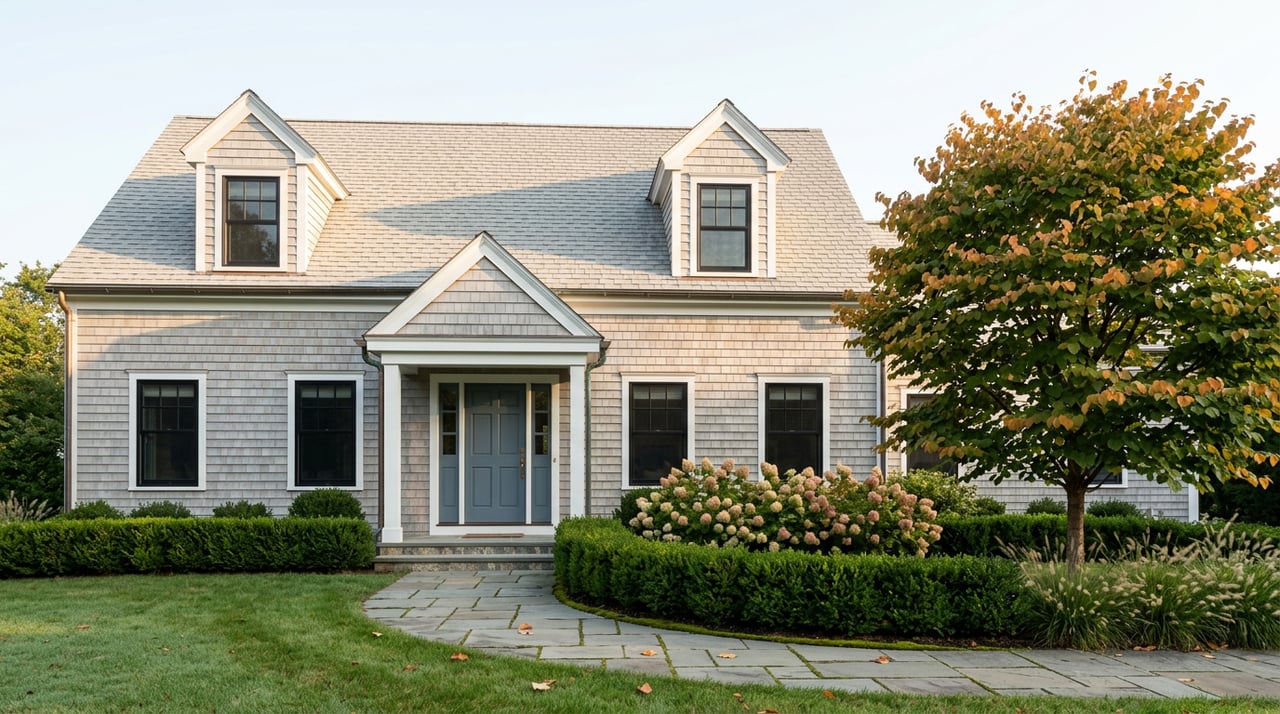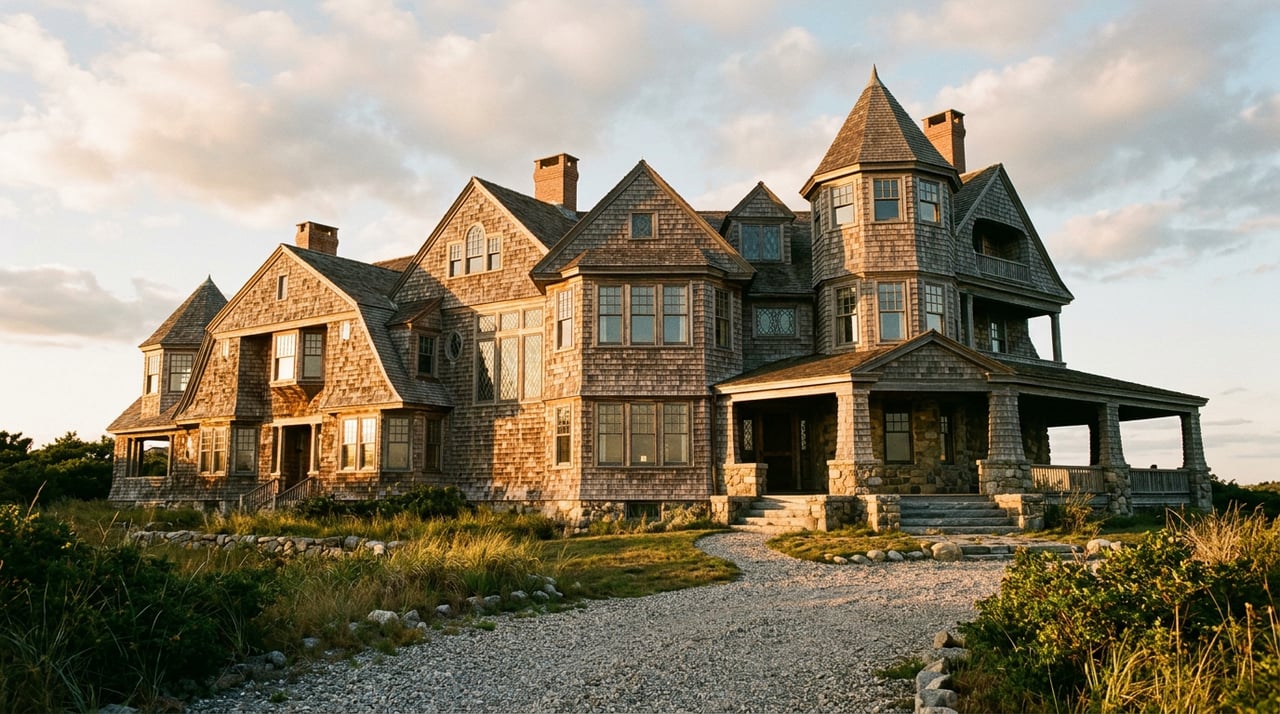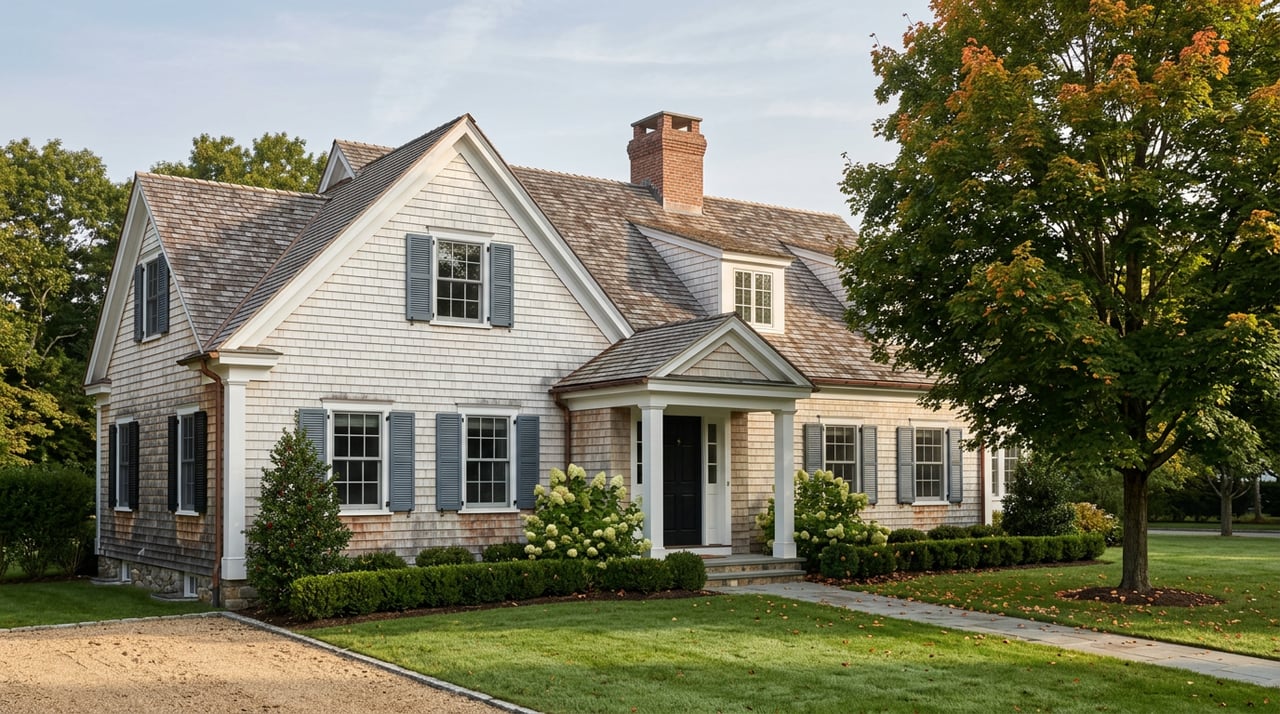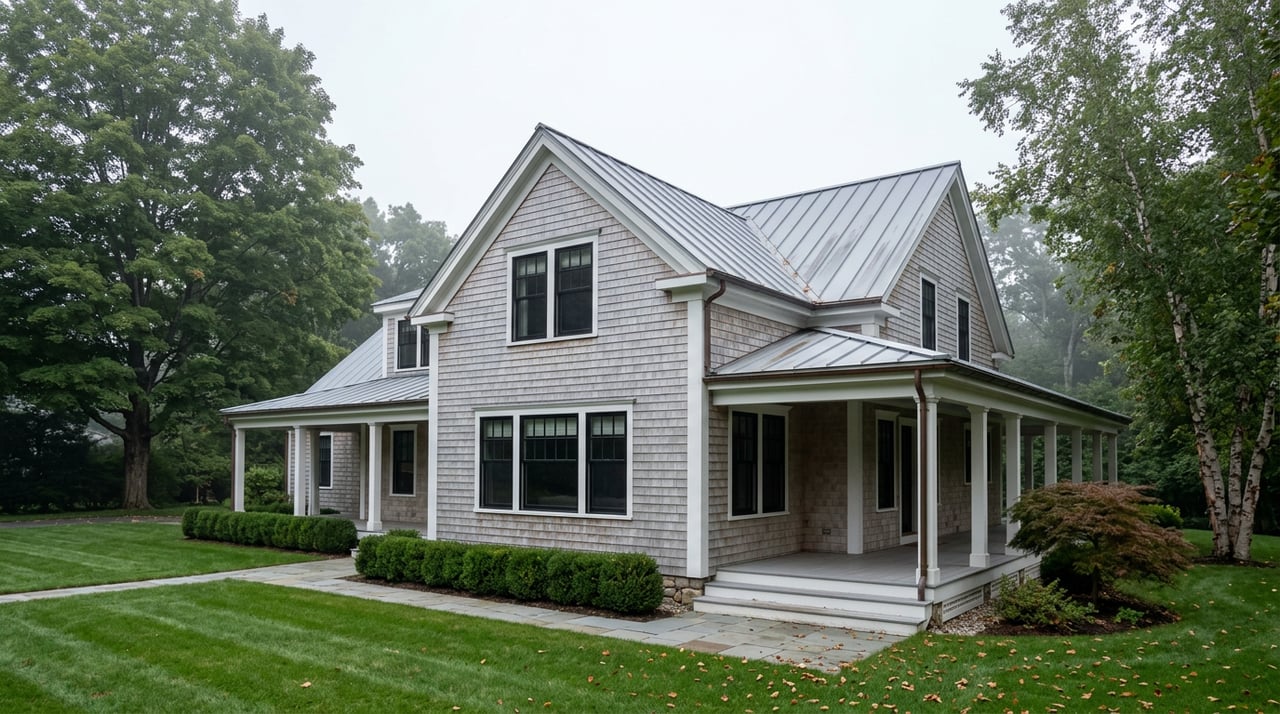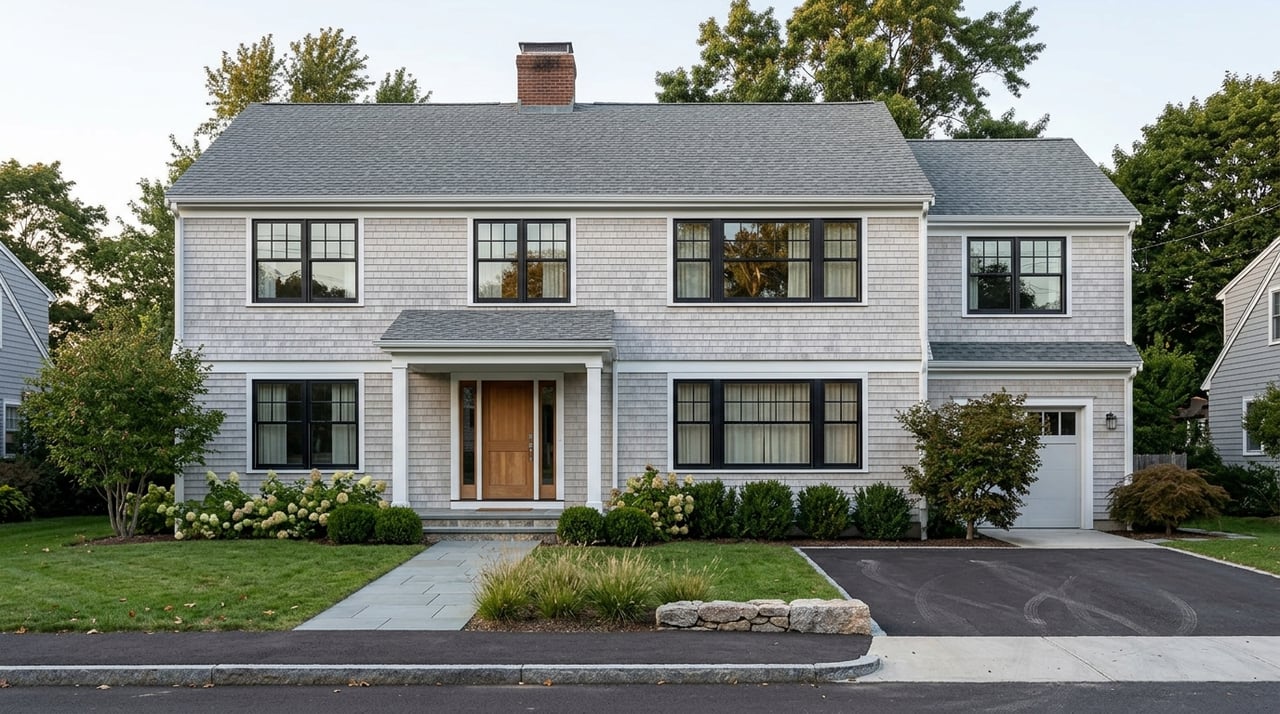
You can love the idea of a brand-new home and still feel pulled toward the charm of an older Westport property. In a market where home values are high and ownership costs can add up quickly, this choice is about more than style alone. If you are deciding between new construction and an older home in Westport, the smartest move is to compare not just price, but also taxes, maintenance, flexibility, and long-term fit. Let’s dive in.
Why this choice matters in Westport
Westport is a high-value housing market with a mostly owner-occupied housing base. Census data estimates an 88.8% owner-occupied rate, and the median owner-occupied home value for 2020 through 2024 was about $1.405 million.
Recent sales data also point to a very expensive market. Redfin reported a March 2026 median sale price of $2.014 million, with median days on market at 101, and described the market as somewhat competitive.
That means your decision between new construction and an older home can carry real financial consequences. In Westport, even a modest difference in purchase price can affect your annual carrying costs in a meaningful way.
Westport taxes change the math
One of the most important Westport-specific details is property tax. In Connecticut, real estate is assessed at 70% of fair market value, and Westport’s approved mill rate for fiscal year 2025 to 2026 was 18.86 mills.
Using those numbers, every additional $100,000 in market value adds about $1,320 per year in property tax. A $2.0 million home works out to roughly $26,404 annually before any exemptions.
Westport is also in a 2025 revaluation cycle. The town notes that updated values and taxes tied to that revaluation correspond to bills due beginning in July 2026, so timing matters when you estimate future costs.
Why buyers choose new construction
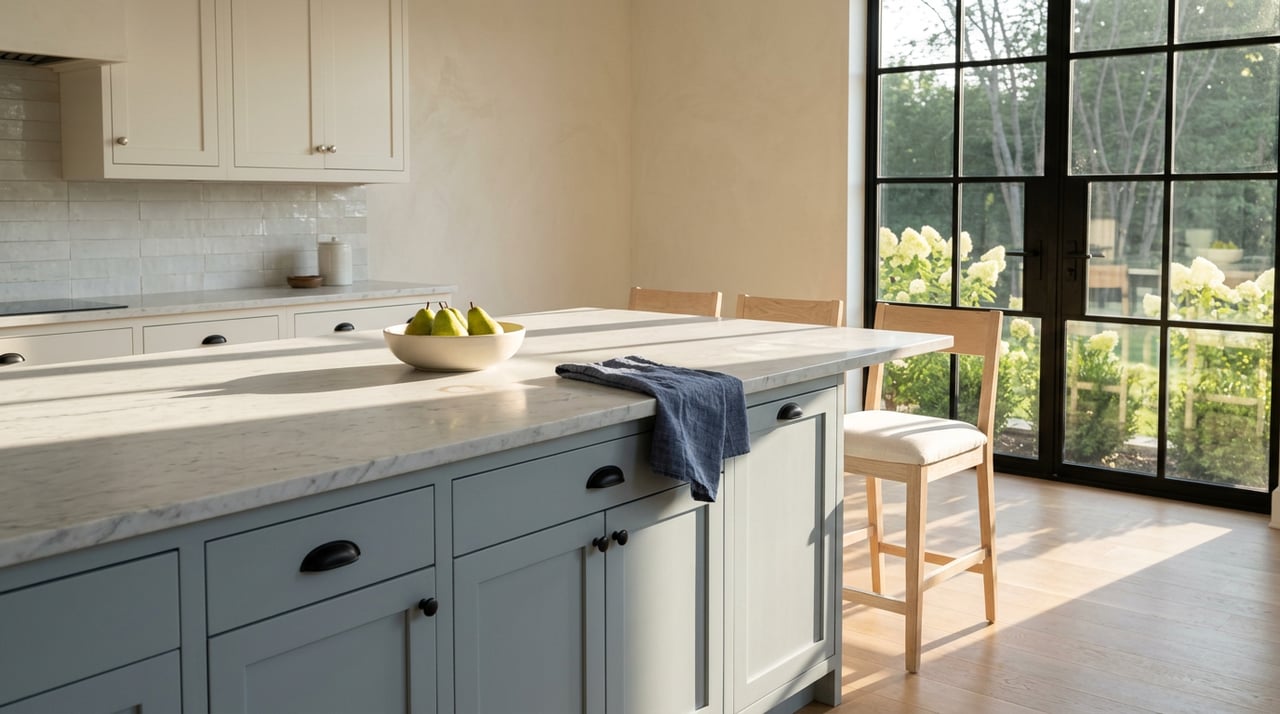
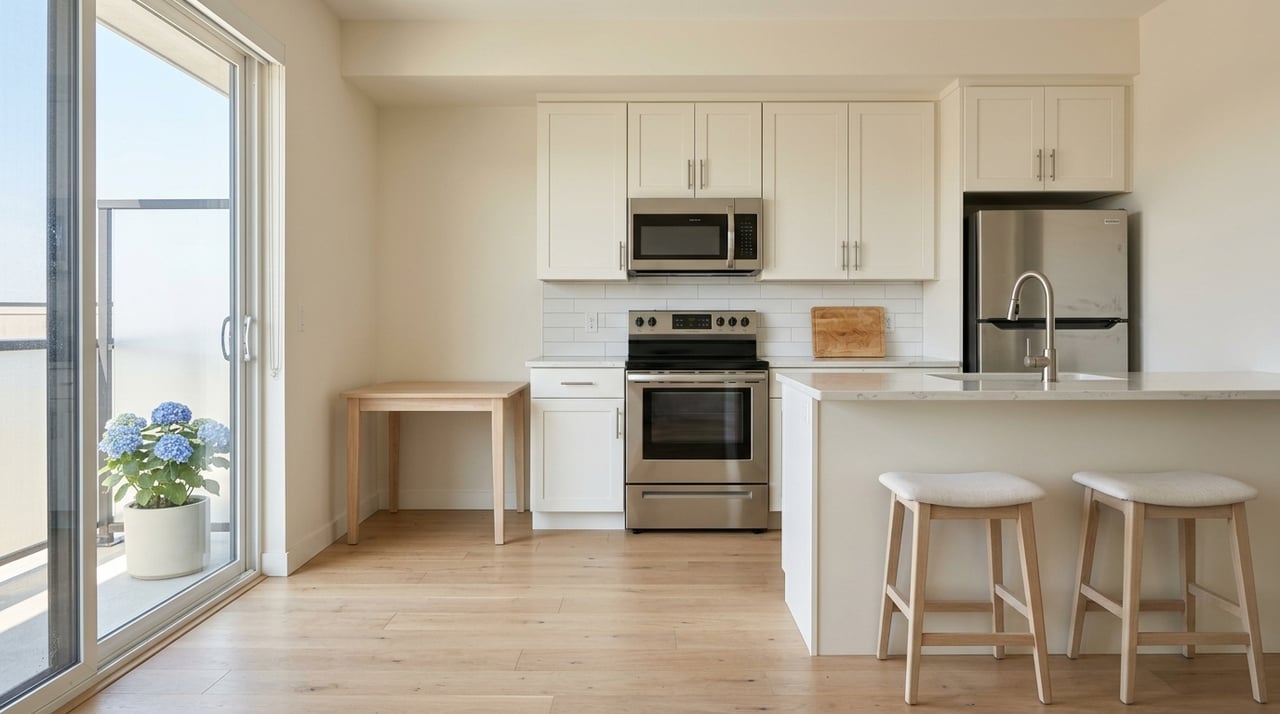
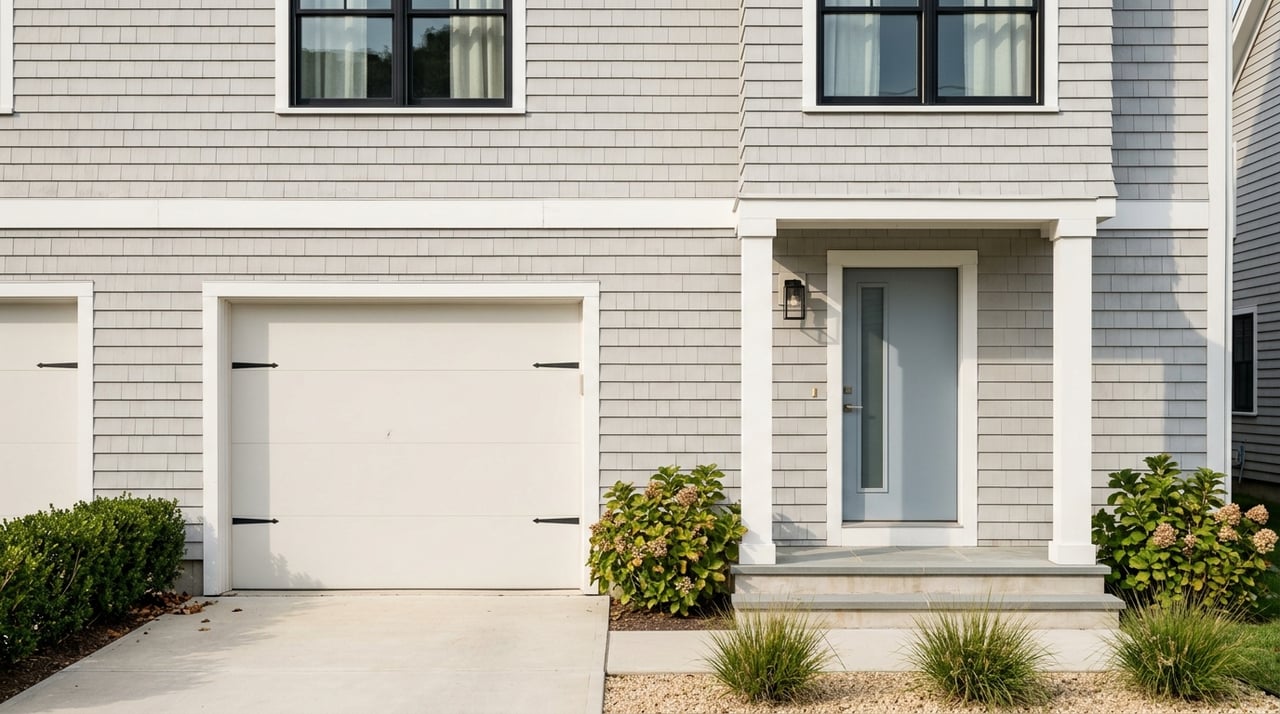
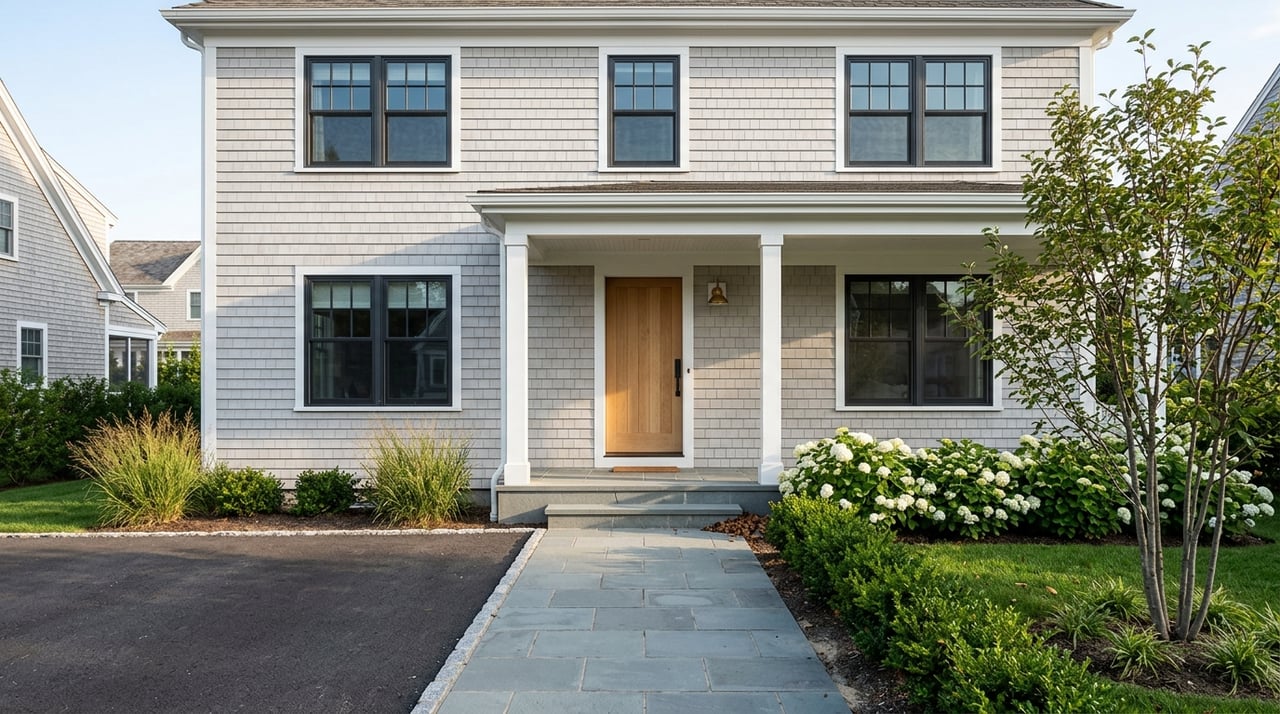
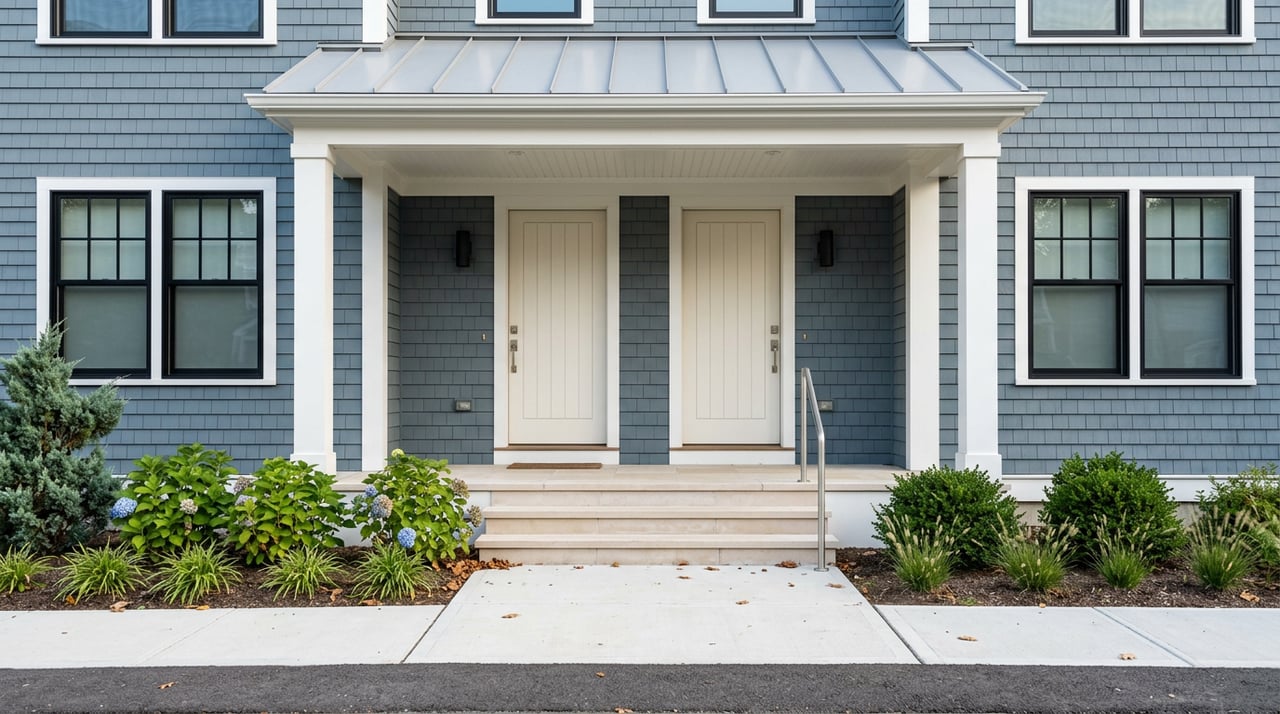
For many buyers, new construction offers peace of mind in the first few years of ownership. Major systems, finishes, and code compliance are newly installed, which can make the home feel more predictable after closing.
Energy efficiency is another draw. The U.S. Department of Energy says homes in its Efficient New Homes program meet rigorous standards for energy savings, comfort, health, and durability, and ENERGY STAR certified homes are at least 10% more efficient than homes built to code and average about 20% better.
If you want a more turnkey experience, new construction may be appealing. You may have fewer immediate repair concerns and a lower chance of needing near-term upgrades to HVAC, insulation, windows, or water-heating systems.
Benefits of buying new construction
- Modern layouts and finishes
- Newly installed systems and materials
- Stronger early-year maintenance predictability
- Better odds of higher energy efficiency
- Building code compliance reviewed through local permitting and inspection
What to know about Westport new construction
In Westport, new construction is not just about picking a design you like. It also involves zoning, permitting, and building review.
The town’s zoning instructions tell applicants to check flood zones, wetlands, sewer versus septic, and any historic or village overlay status. Proposed plans for new houses are required, and the Building Department reviews residential plans for Connecticut State Building Code compliance, issues permits, and oversees inspections through certificate of occupancy.
For you as a buyer, this often means a finished new home can feel easier to live in right away. At the same time, the path to completion may be longer and more approval-heavy than buying an existing home.
Why buyers choose older homes
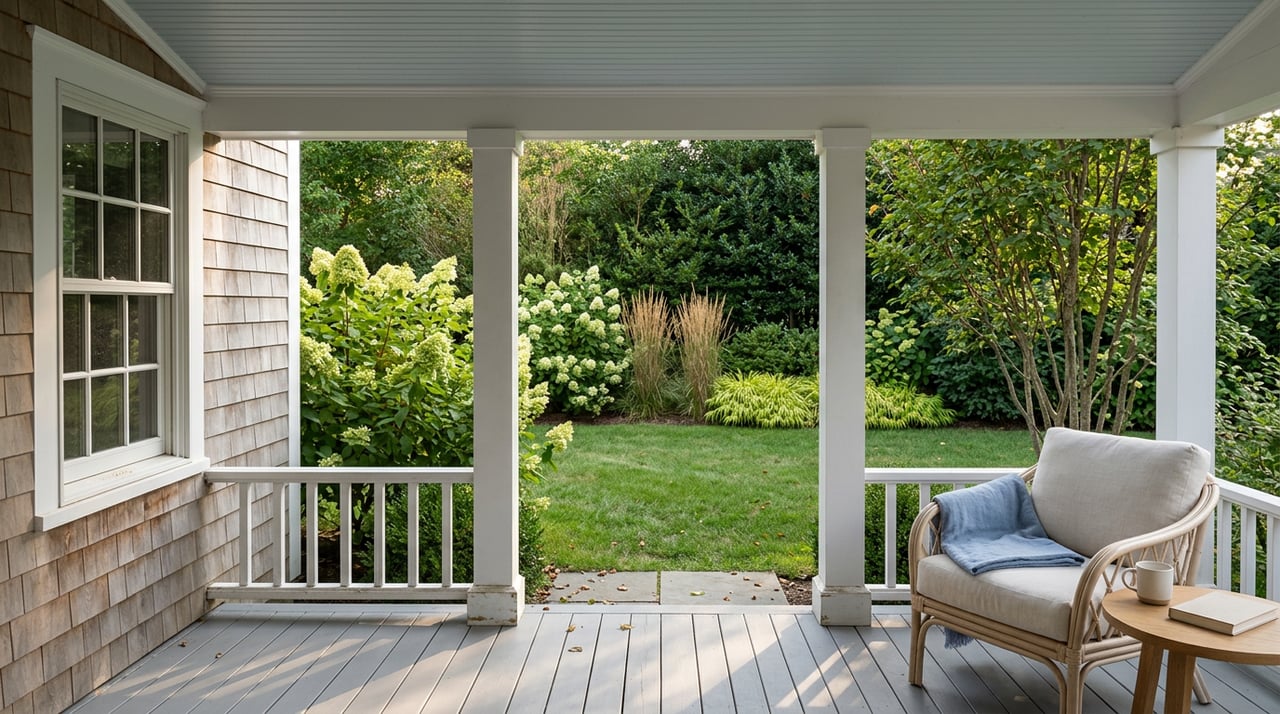
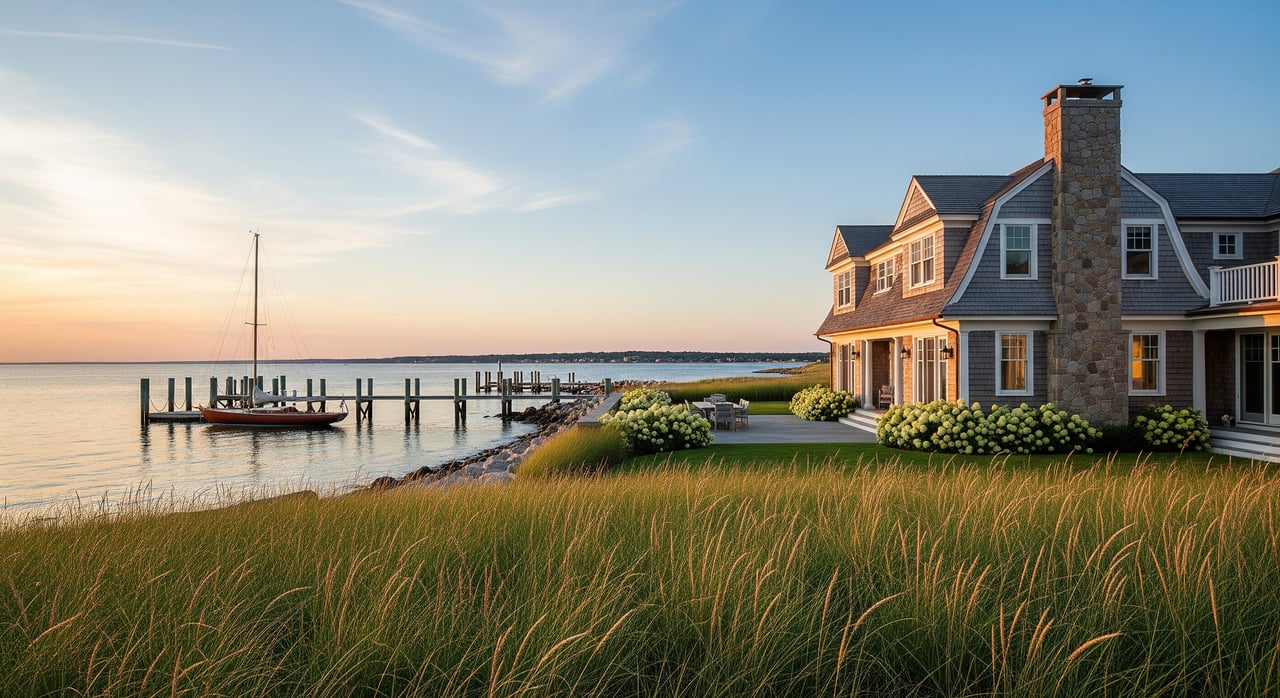
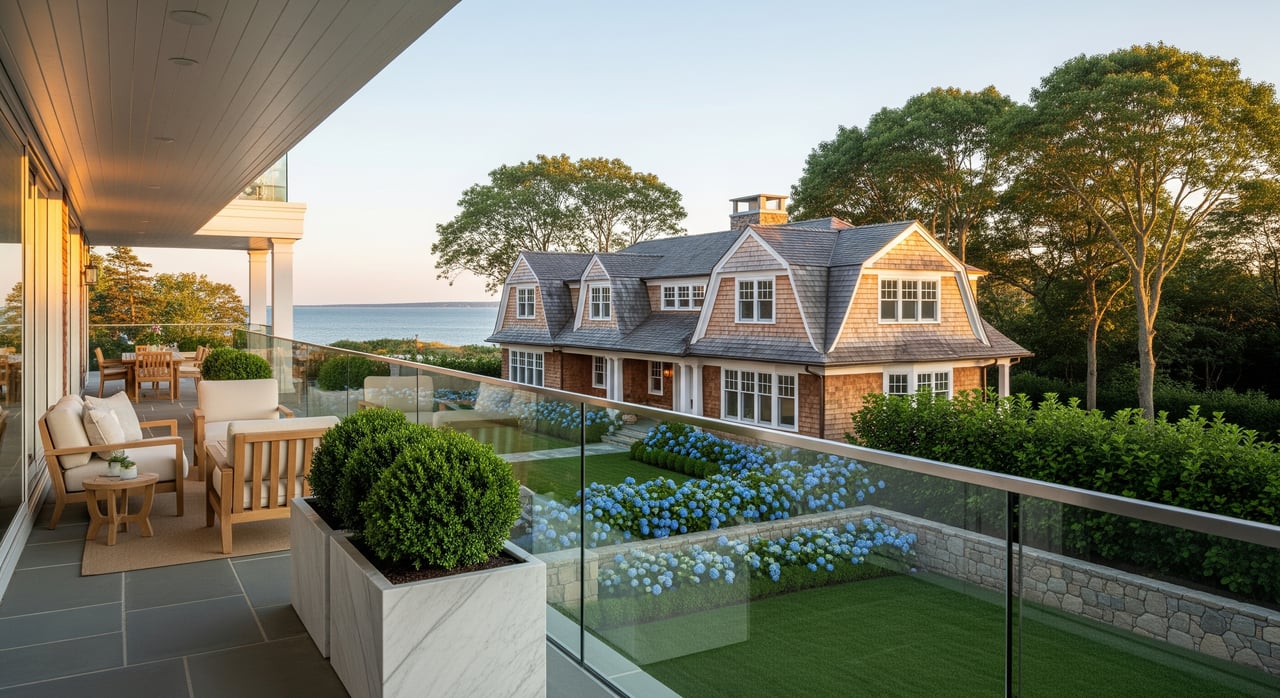
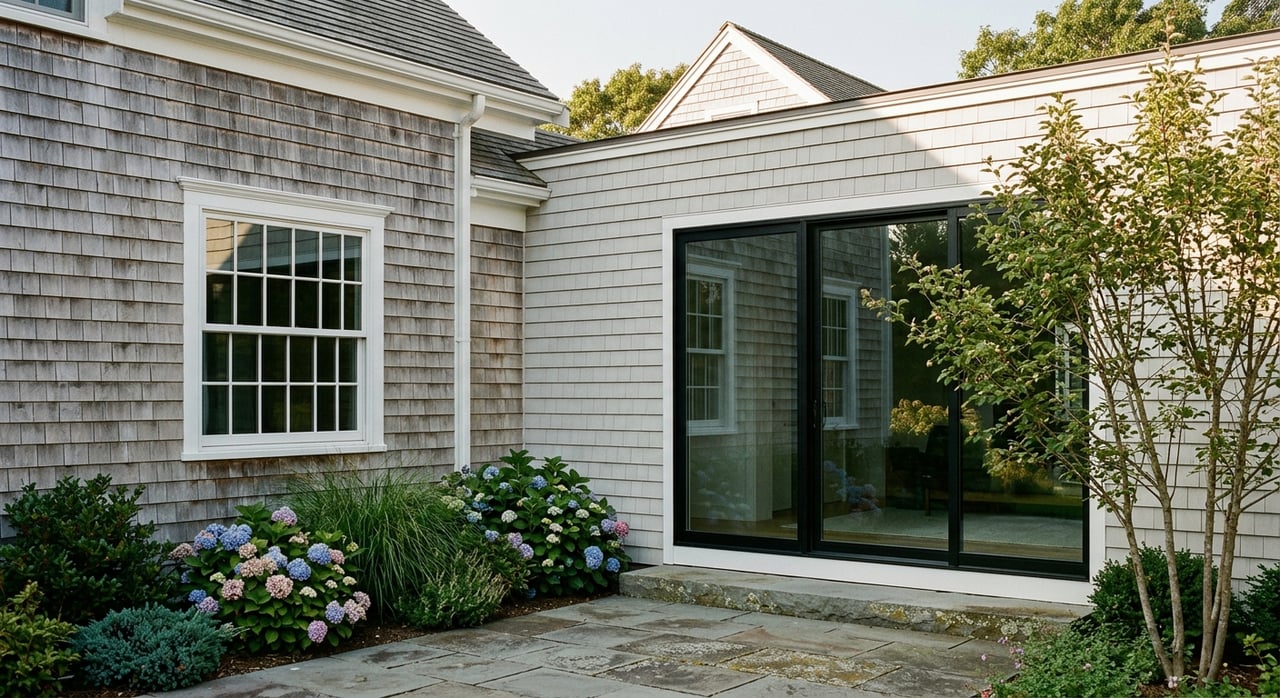
Older homes in Westport often offer something new construction cannot easily replicate. The town describes its historic fabric as including colonial homesteads, Victorian maritime homes, country estates, seaside cottages, and early suburban neighborhoods.
If you value architecture, established streetscapes, and a sense of place, older homes can be especially appealing. For many buyers, that character is part of what makes Westport feel like Westport.
Older homes can also open the door to a different pricing strategy. Sometimes a home with older systems or dated finishes may look less expensive upfront than a new build, even if the long-term costs require closer review.
Benefits of buying an older Westport home
- Distinctive architecture and historic character
- Established settings and preserved streetscapes
- Potential opportunity to personalize over time
- A chance to buy into Westport’s older housing stock and architectural identity
The tradeoffs of older homes
Character can come with more rules and more unknowns. In local historic districts and on local historic properties, Westport’s Historic District Commission reviews exterior work visible from a public street.
A Certificate of Appropriateness is required before the Building Department can issue a permit for regulated exterior work. That process helps preserve local character, but it can also limit how freely you can change the outside of the home.
Older homes also raise more inspection and health-related questions. The EPA says older homes are more likely to contain lead-based paint, and federal law requires disclosure of known lead hazards before the sale or lease of most pre-1978 housing.
The Consumer Product Safety Commission says asbestos can also be found in older houses. If it may be disturbed during remodeling, professional repair or removal is recommended.
From a cost standpoint, older homes may also need upgrades to approach the efficiency of newer homes. Insulation, HVAC, windows, and water-heating systems can all affect your ongoing operating costs.
Compare five-year ownership cost
The best way to compare new construction and older homes in Westport is often to look at five-year total ownership cost rather than sticker price alone. This gives you a more realistic view of what the home may actually cost to own.
A lower-priced older home may seem like the better deal at first. But that gap can shrink if you need immediate repairs, energy upgrades, exterior work, or remediation tied to older materials.
A more expensive new home may look stronger over five years if it reduces early maintenance needs, utility costs, and upgrade risk. In Westport, where taxes are already significant, this kind of side-by-side comparison matters.
Questions to ask before you decide
- How much higher is the purchase price for the new home?
- How much more will that price add to annual property taxes?
- Does the older home need repairs or major system updates soon?
- Will planned renovations trigger local historic review?
- Is the home in a flood zone?
- Is the property served by sewer or septic?
- How important are move-in readiness and low maintenance to you?
Westport due diligence matters either way
Whether you buy new construction or an older home, a few local details deserve close attention. Westport’s zoning guidance specifically highlights flood-zone status, wetlands, sewer versus septic, and historic or overlay considerations.
Those issues can affect cost, timing, and what you are allowed to do after closing. They can also influence insurance needs, renovation plans, and future resale decisions.
Permit history is another important item to review. It can help you understand what work was done, whether approvals were obtained, and whether the home’s current condition matches the town record.
Which type of home is right for you?
New construction tends to work best if you want predictability, modern design, and fewer early maintenance surprises. It may also appeal to you if energy efficiency and a more turnkey lifestyle are top priorities.
An older home may be the better fit if you care most about character, established surroundings, and the appeal of Westport’s preserved architectural identity. If you are comfortable with more detailed due diligence and possible updates over time, an older home can be a very strong choice.
The right answer depends on how you balance budget, flexibility, lifestyle, and risk. In Westport, this is rarely just a question of old versus new. It is a question of what kind of ownership experience you want over the next several years.
If you want help comparing specific properties, running the tax math, or thinking through renovation and resale tradeoffs, Linda Dunsmore Real Estate can help you make a confident, well-informed move.
FAQs
Should you buy new construction or an older home in Westport?
- The better choice depends on your priorities. New construction often offers lower early maintenance and better efficiency, while older homes often offer more character, established settings, and Westport architectural appeal.
Does new construction always cost more in Westport?
- Often it costs more upfront, but the gap may narrow when you compare likely repairs, system replacements, energy upgrades, and other near-term costs tied to an older home.
What should you check before buying a home in Westport?
- Key items include flood-zone status, sewer versus septic, permit history, and any historic-district or overlay restrictions that could affect future changes.
Do older homes in Westport come with renovation restrictions?
- Some do. In local historic districts and on local historic properties, exterior work visible from a public street may require Historic District Commission review and a Certificate of Appropriateness.
How do property taxes affect a home purchase in Westport?
- Property taxes can materially change your annual carrying cost. Based on Connecticut assessment rules and Westport’s FY 2025 to 2026 mill rate, every additional $100,000 of market value adds about $1,320 per year in property tax.