Thinking about selling your high-end Westport home and not sure where to set the price? You are not alone. Luxury pricing is part data, part story, and part timing. Price too high and you risk a stale listing. Price too low and you leave real money on the table. In this guide, you will learn how to set a defensible, market-right list price for an upper-tier or luxury property in Westport that protects your equity and shortens days on market. Let’s dive in.
Westport luxury market at a glance
Westport is a coastal market where value changes sharply by micro-location, lot, and lifestyle features. Townwide pricing varies by source and methodology, so it helps to think in ranges.
- Recent closed-sale data shows a median sale price around 1.77–1.8 million dollars based on datasets from ATTOM’s Westport summary and PropertyShark’s Q4 2025 reading.
- Listing medians on some platforms have run higher than closed-sale medians, reflecting seller asks and a thin luxury sample. In short, list medians and sales medians often differ.
In local practice, treat two price bands differently:
- Upper-tier or move-up: roughly 2 to 4 million dollars.
- Town-level luxury: 4 million dollars and above.
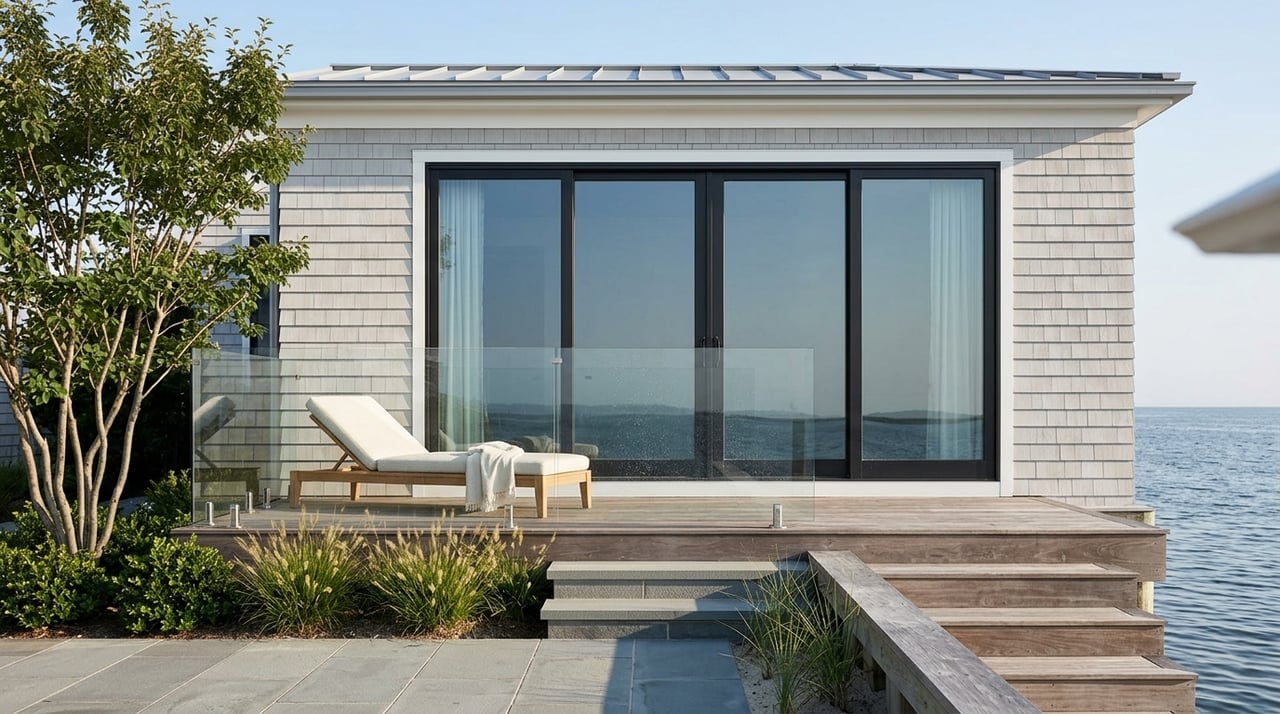
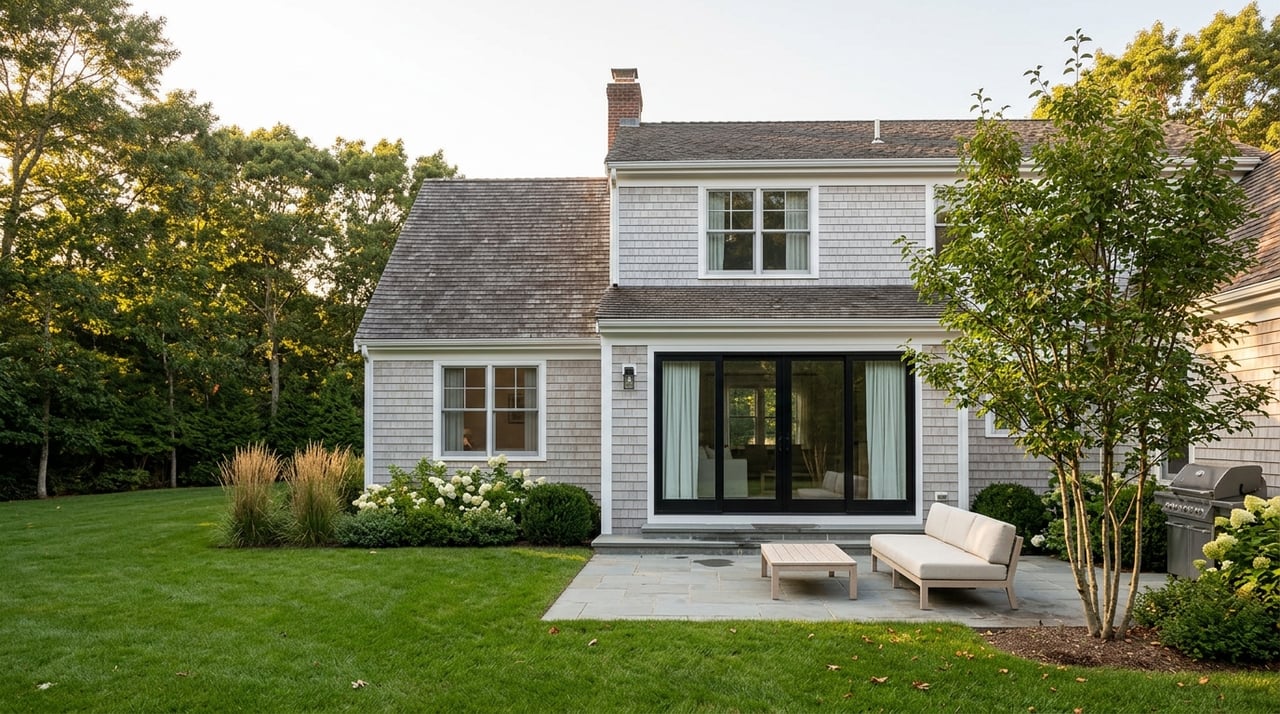
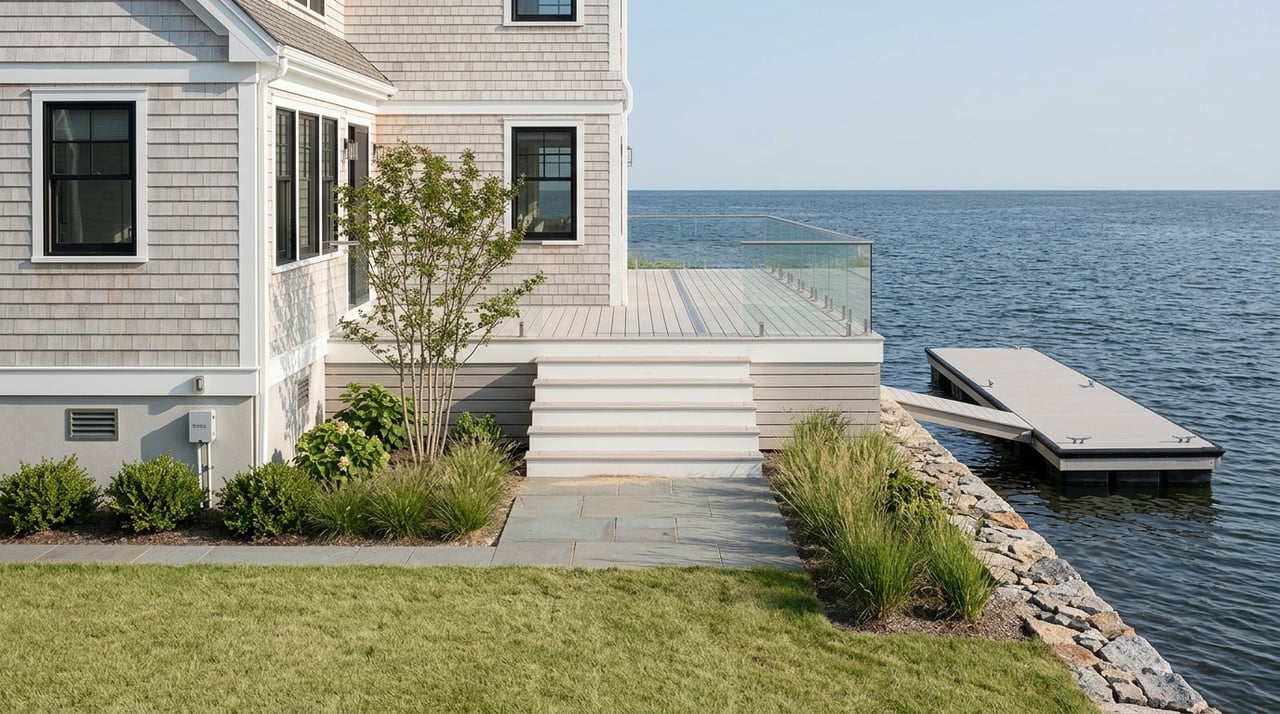
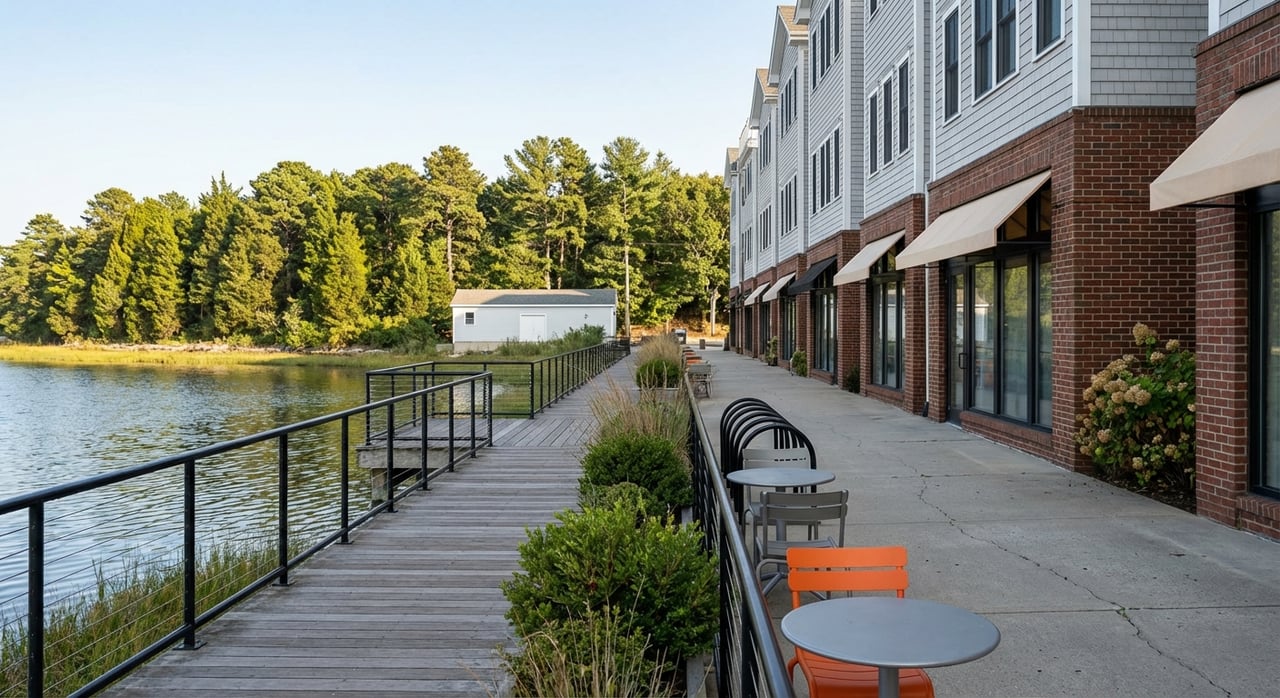
Waterfront and waterfront-adjacent properties near Compo, Saugatuck, and Greens Farms tend to command outsized premiums given Westport’s Long Island Sound setting and limited shoreline inventory. For context on the town’s coastal geography, see Westport’s overview.
Know your likely buyer
The buyer pool above 4 million dollars is small and specific. That is why your price must match real demand.
- Many buyers are repeat, equity-rich households with New York City ties. Some commute or split time between the city and Westport. Proximity to train stations, parking, and simpler door-to-desk routines can matter.
- Cash and alternative financing are more common at the very high end, which affects appraisal risk and negotiation structure.
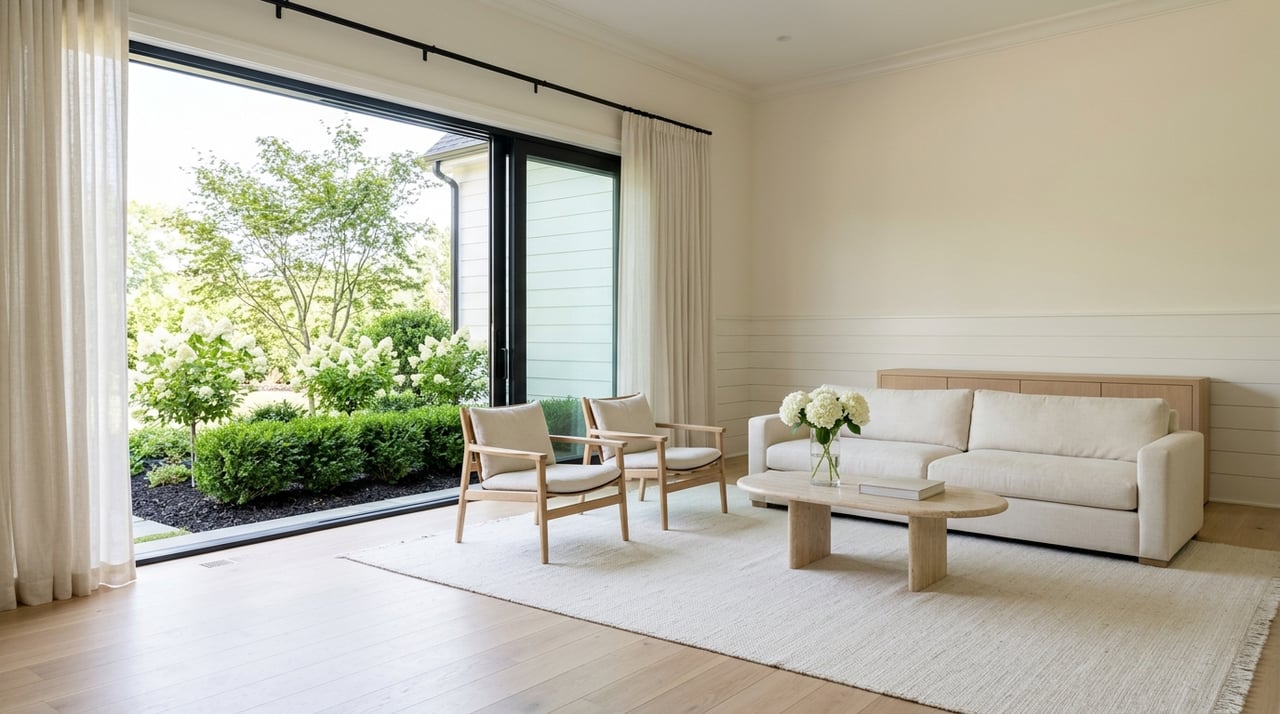
- What buyers expect: turnkey condition, premium systems, chef-level kitchens, flexible home office space, privacy, strong outdoor living, and where applicable, water access or views. Wellness features, energy efficiency, and smart-home tech can strengthen perceived value.
- Presentation is part of value. High-caliber photography, video, floor plans, and professional staging help listings sell faster and for more. Research tied to NAR’s staging analysis shows measurable benefits for both price and time on market. You can review a summary of those findings in this NAR staging release.
Build a defensible value
A defensible price rests on the same core principles appraisers use. Your goal is to select the right comparables, justify adjustments, and prepare support for both buyers and lender appraisers.
Start with the right comps
- Prioritize sales in the same submarket. In Westport, waterfront vs inland is often a first split.
- Match land and utility. Lot size, frontage, guest house, pool, garage count, and privacy all matter.
- Use an appropriate time window, often the past 6 to 12 months. If clean comps are thin, expand geography or time and apply well-documented adjustments.
For standards on comparable selection and documentation, review the Appraisal Institute’s guidance on sales comparison, adjustments, and reporting under professional practice expectations. Their notes outline how appraisers expand search criteria and justify adjustments when local comps are scarce. See the Appraisal Institute’s guide notes.
Adjust for premium drivers
Not all square footage is created equal. In Westport luxury, these factors often move the needle most:
- Waterfront, deep-water frontage, or dock rights.
- Uninterrupted views and orientation.
- Acreage, siting, and privacy.
- Architect pedigree or unique design that appeals to a defined niche.
- Renovation dates and systems quality with permits on file.
Use paired-sales logic when possible. If precise pairs are unavailable, base adjustments on market-supported evidence and document the rationale.
Use price per square foot carefully
Price per square foot is a helpful cross-check once you have a tight comp set. It can also mislead at the top end because ceiling heights, custom finishes, outdoor living, and land desirability add value that does not scale neatly with area. Treat PSF as a secondary metric, not the headline driver.
Choose your pricing position
Selecting a launch position is a strategy decision. Match your approach to the size of the buyer pool, the uniqueness of the home, and your risk tolerance.
- Aggressive entry (below-market): You price slightly under a well-supported value to spark early attention and potential competition. In luxury, the effect can be less predictable because the buyer pool is smaller, and you must plan for appraisal gaps.
- Market-right pricing: You set the list near the most likely sale price. This is a common choice when you want predictable timing with enough room to negotiate. Sellers consistently rank competitive pricing as a top priority, according to the NAR Profile of Home Buyers and Sellers.
- Aspirational pricing: You list above market to position the home as a trophy. Expect a longer runway and a narrower buyer set. Pair this with elevated marketing and patience.
Time, metrics, and adjustments
The first weeks after launch set the tone. Track leading indicators and commit to a decision timeline.
- Watch weekly: qualified showings, written offers, online views, and feedback themes. Compare your days on market to local luxury norms for your price band.
- County-level luxury data in mid-2025 showed very fast movement for properly priced trophy homes, with a high list-to-sale ratio and a median time on market of about three weeks. Town dynamics differ, so use these figures as context, not as a promise.
- If a 4 million dollar plus listing sees light traffic or no offers after a realistic exposure window, consider a price review alongside a marketing refresh. For many luxury homes, 21 to 45 days is a fair early check-in window, with longer windows at the very top.
If you encounter an appraisal shortfall once under contract, have a plan:
- Share your comp and adjustment binder with the lender’s appraiser.
- Prepare options such as a price amendment, a seller credit, or buyer funds to bridge a gap.
These steps align with how professional appraisers document and reconcile value under recognized practice standards. See the Appraisal Institute’s guide notes for how adjustments and expanded comp sets are handled.
Avoid equity-killing mistakes
Protect your outcome by steering clear of common missteps.
- Overpricing relative to available comps. This shrinks your qualified buyer pool and can lead to a weaker final net after price cuts. A pre-list appraisal or a detailed broker opinion can help. The Appraisal Institute outlines how supportable adjustments and documentation improve valuation outcomes.
- Ignoring appraisal and jumbo-loan realities. At high price points, appraisals often rely on a very small comp set. Reduce risk with a pre-list appraisal and a comprehensive comp binder. The Appraisal Institute’s guidance details documentation expectations.
- Underinvesting in presentation. Staging and best-in-class photography and video influence both offers and time on market. NAR-cited research shows staging can lift prices and reduce time to sell. See the NAR staging release.
- Leaning on PSF without context. In luxury, PSF swings widely. Use it as a cross-check only after selecting tight comps.
- Failing to segment your audience. A 2.5 million dollar buyer is not the same as a 6 million dollar buyer. Define your price band and buyer profile before you launch.
Pre-list pricing checklist
Use this concise, step-by-step plan to price and prepare with confidence.
- Collect the right evidence. Pull closed sales from the last 6 to 24 months and group by micro-market, starting with waterfront vs inland. If clean comps are thin, extend the timeframe or radius and plan to explain adjustments. See the Appraisal Institute’s guide notes for accepted approaches.
- Commission a pre-list opinion. For homes above 4 million dollars, consider a pre-list appraisal to strengthen negotiation and reduce lender friction later.
- Build a comp and adjustment binder. Include photos, permits, renovation dates, mechanicals, energy features, survey, and a written adjustment rationale. This helps both buyers and appraisers.
- Stage and elevate visuals. Plan for professional staging, twilight and drone photography, detailed floor plans, and a cinematic video tour before you activate the MLS. The NAR staging summary shows why this matters.
- Pick your launch position. Define your target list price, a backup “best alternative net,” and a pre-agreed trigger plan for price changes. Use recent county luxury benchmarks as a sanity check for your testing window.
- Orchestrate targeted exposure. Pre-market to qualified broker lists and luxury channels, then schedule previews and private showings for vetted buyers.
- Monitor and adapt. Review showings, feedback, and online activity weekly. If momentum lags after the agreed window, adjust price and refresh marketing in one clear move rather than many small reductions.
Pricing a Westport luxury property is a financial decision with a human side. The best outcomes come from pairing local knowledge with a clear pricing thesis, meticulous preparation, and disciplined monitoring. If you want a finance-informed plan tailored to your home’s features and buyer profile, connect with Linda Dunsmore Real Estate to map your strategy.
FAQs
What counts as luxury pricing in Westport?
- In local practice, treat 4 million dollars and above as town-level luxury, with 2 to 4 million as the upper tier; use neighborhood-specific comps to refine the band.
How long do well-priced luxury homes take to sell?
- County luxury data in mid-2025 showed a fast-moving top tier with a median around three weeks; review progress after 3 to 6 weeks and adjust if showings or offers lag.
Should I order a pre-list appraisal for a 4M+ home?
- Yes, it is common and wise at this level since it supports negotiations and reduces the risk of appraisal shortfalls once a buyer’s lender gets involved.
Do staging and visuals really affect luxury pricing?
- Yes. Research tied to NAR shows staging can boost sale prices and reduce days on market, and luxury buyers expect high-caliber photography, video, and floor plans.
How do I factor waterfront value into my price?
- Start with recent waterfront sales in the same micro-market, then use paired-sales logic to estimate a premium for frontage, views, and dock rights, with adjustments documented for appraisers.