Thinking about trading a tighter footprint for a home with more land, more quiet, and easier access to nature? If you are relocating from New York City or a denser Fairfield County town, Wilton often comes up for a reason. It offers a lower-density setting, a strong connection to open space, and a commuter link back to regional job centers, all within Fairfield County. This guide will help you understand what daily life in Wilton can really look like, from housing patterns and commuting to budget planning and long-term fit. Let’s dive in.
Why Wilton appeals to space-seeking buyers
Wilton is a small Fairfield County town with an estimated 2024 population of 19,255. About 27.3% of residents are under 18, which helps explain why many relocating buyers look here when they want more room to grow while staying within reach of New York City and Lower Fairfield County.
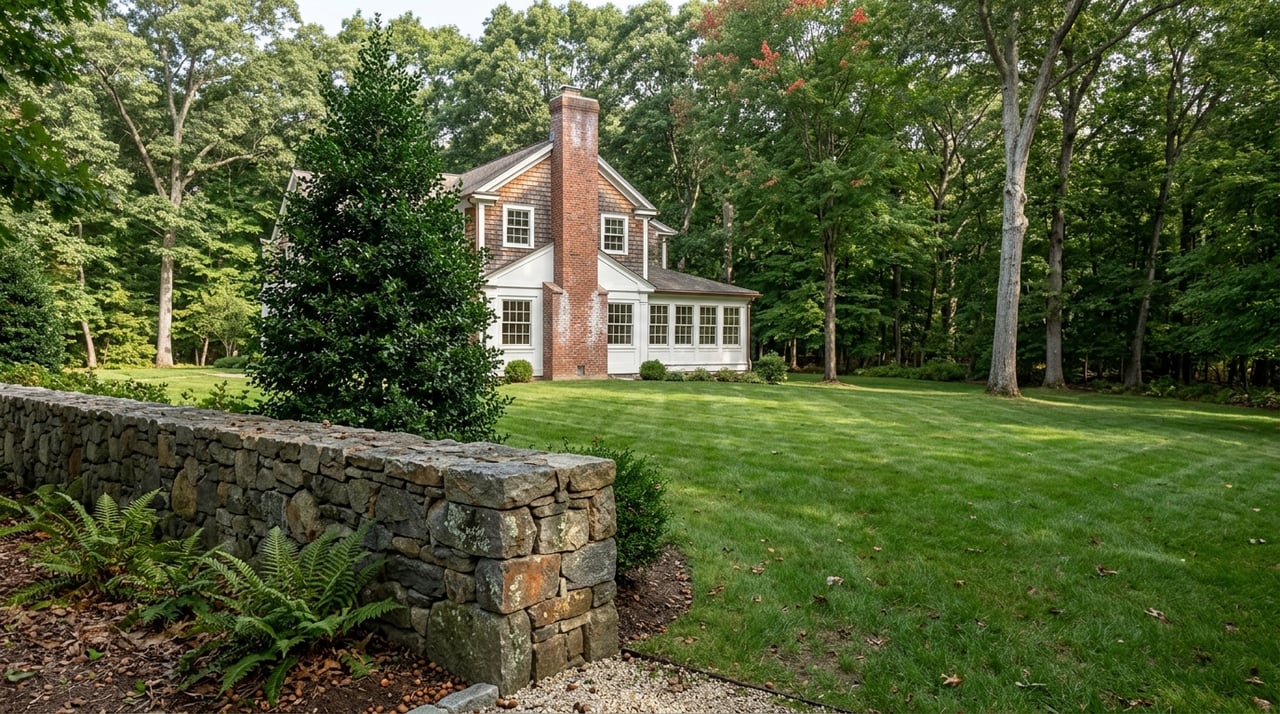
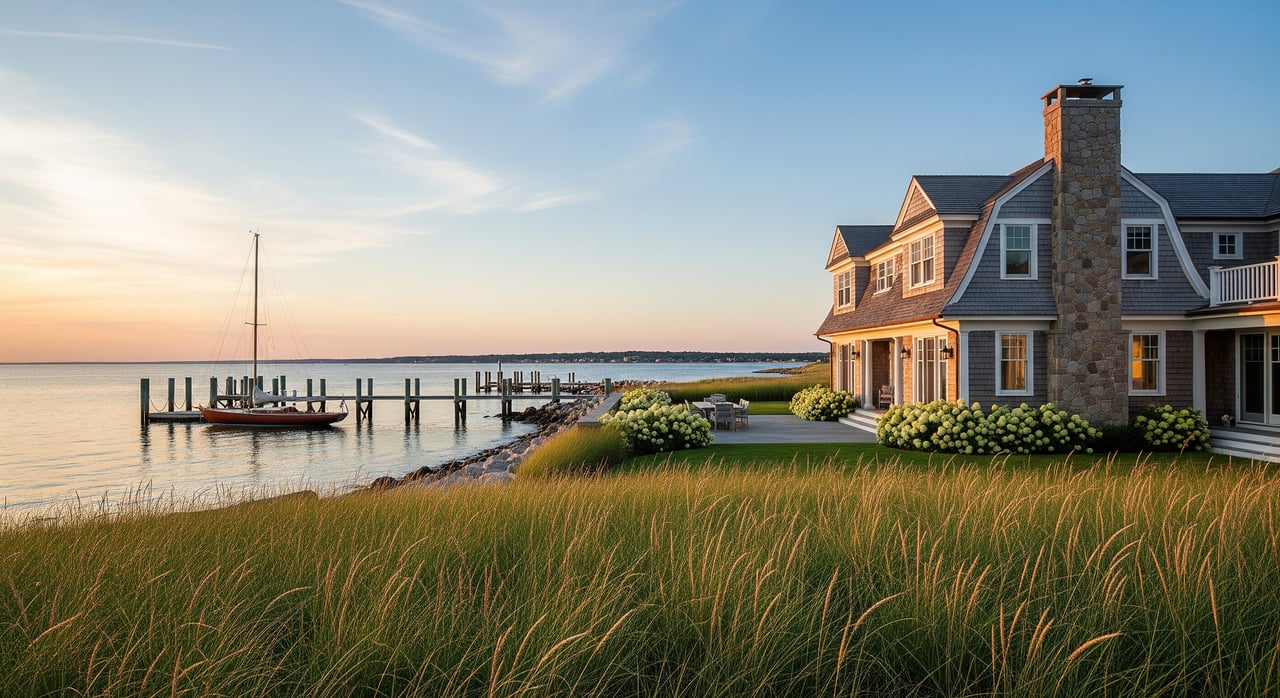
What stands out most is the physical setting. Wilton’s planning documents describe a landscape of forested land, wetlands, meadows, and agricultural fields. About 23% of the town is open space, and roughly half of that is formally protected.
That is not just a marketing phrase about greenery. A 2023 town financial report lists 1,413 acres of public parks and open space, 634 acres of private open space and recreation, and 1,174 acres of watershed out of 17,490 total acres. If your goal is to feel less packed in and more connected to the outdoors, Wilton has the land profile to support that lifestyle.
What “more space” means in Wilton
For many buyers, space in Wilton is not only about square footage inside the home. It is also about lot size, setbacks, privacy, and the day-to-day feel of the streetscape.
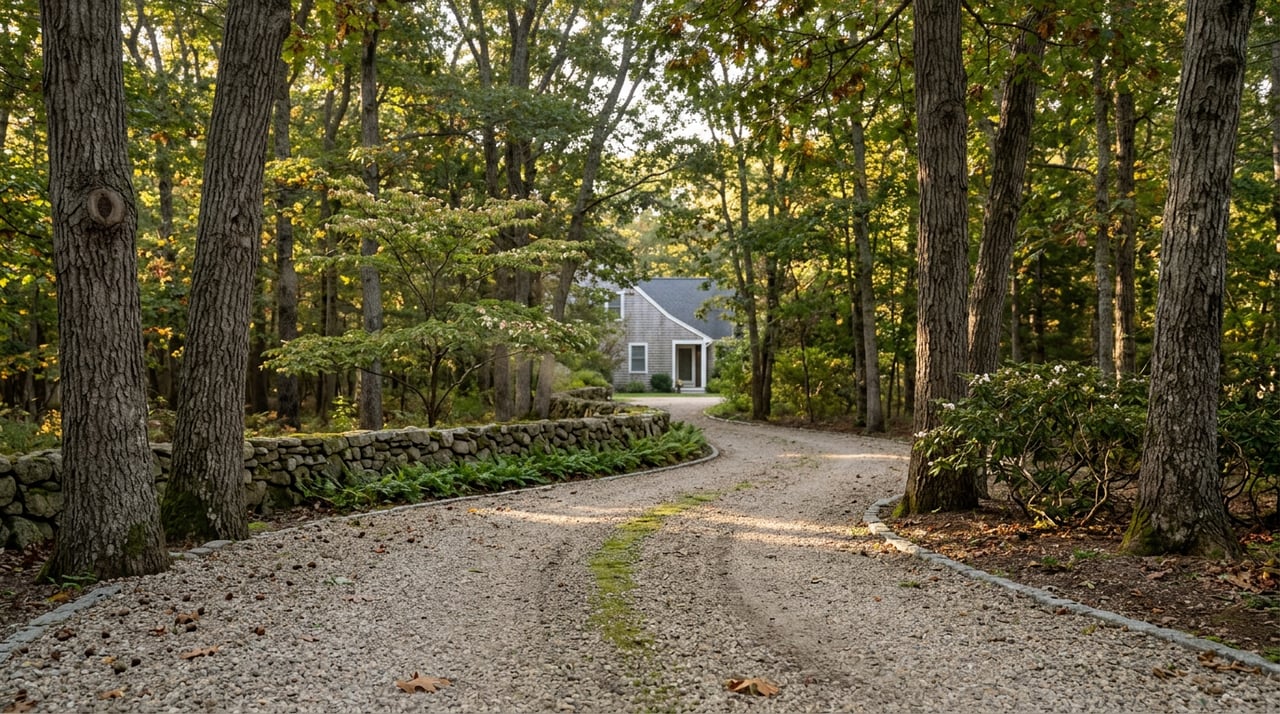
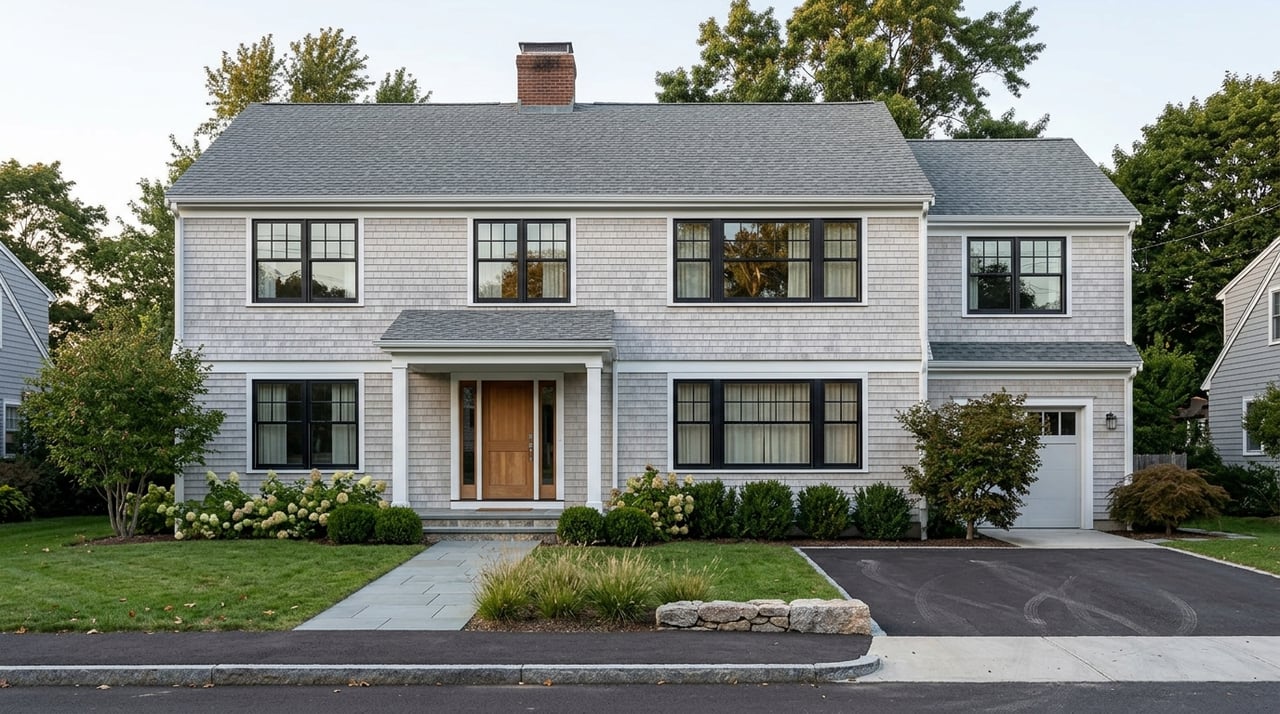
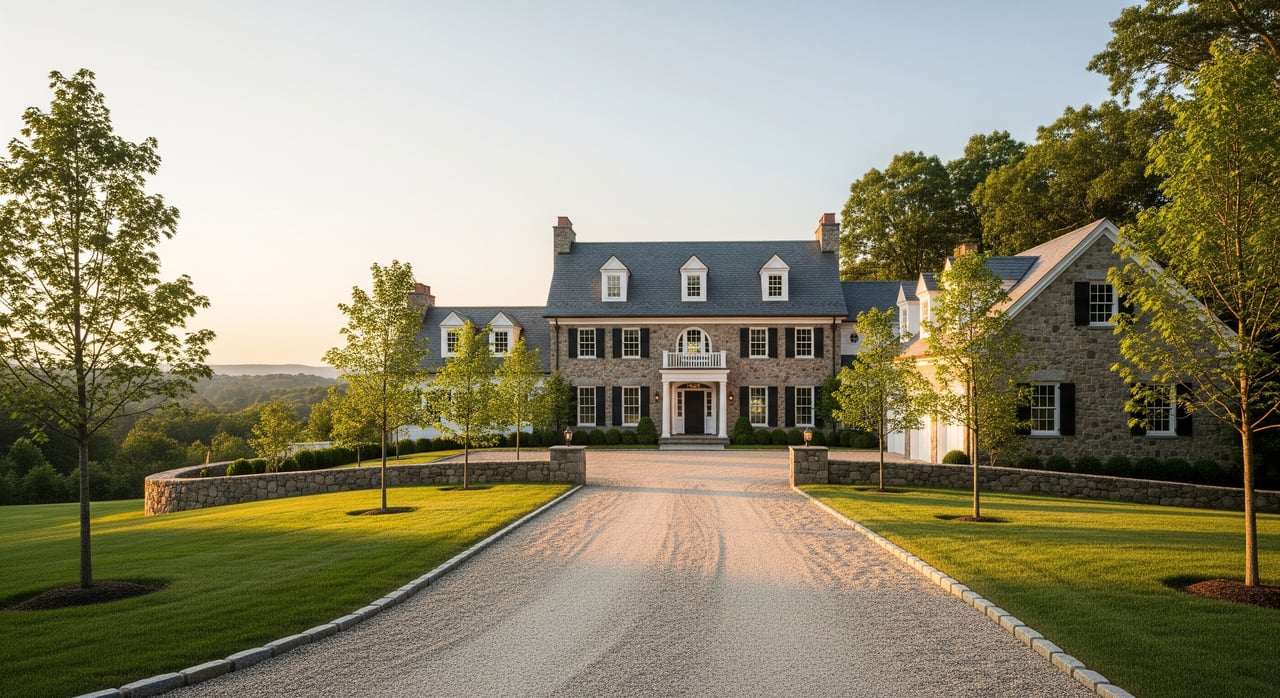
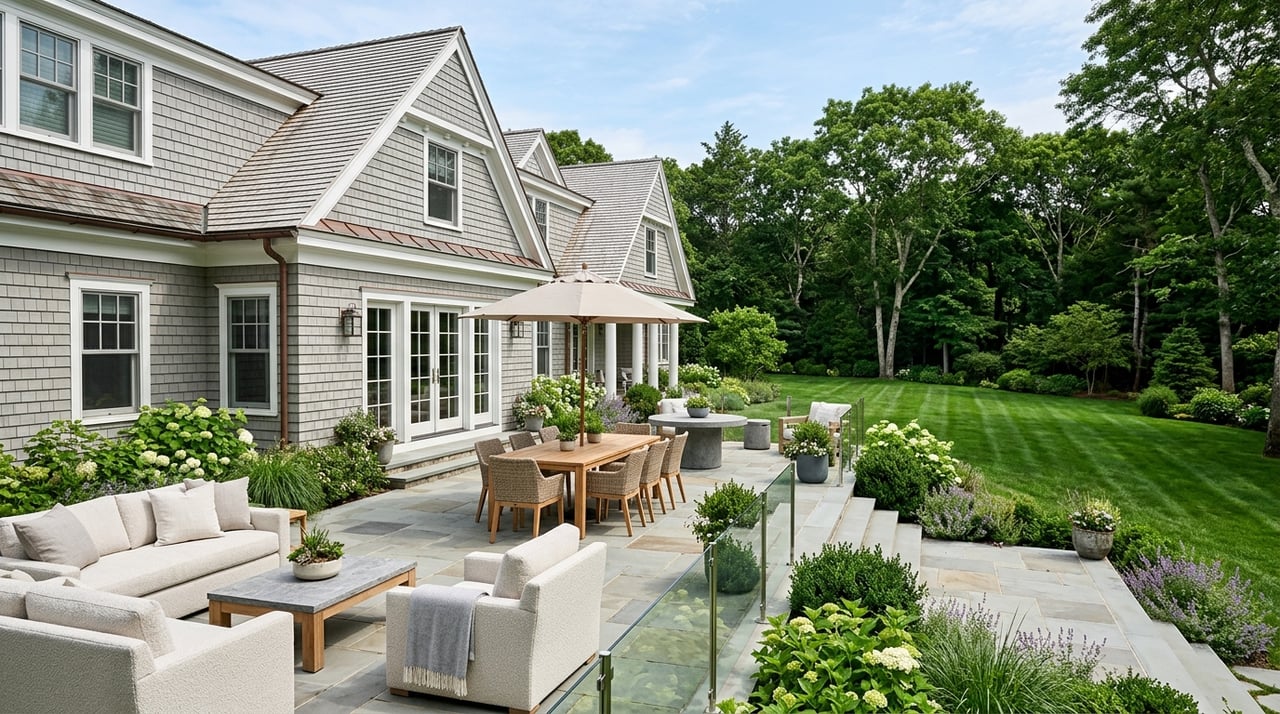
Wilton’s zoning code reinforces that larger-lot character. The main single-family zoning districts are R-1A and R-2A, with minimum lot areas of 1 acre and 2 acres. Those standards, along with substantial yard setbacks, help shape the more spacious and less dense environment many relocating buyers are looking for.
In some of Wilton’s more rural areas, housing also relies on private wells and septic systems. That can be a normal part of homeownership in town, but it is an important practical difference if you are moving from a city or more urbanized suburb.
Expect a lower-density lifestyle
A move to Wilton often means changing how you use your home and your time. You may gain yard space, more separation from neighbors, and easier access to trails and open land. In return, you may spend more time driving and more time thinking about logistics than you would in a denser, walkable environment.
That trade-off is often exactly the point. If you are prioritizing quiet, land, and a greener setting, Wilton is built around those strengths.
Commuting from Wilton to NYC and beyond
One of the biggest questions relocating buyers ask is whether Wilton is too far removed from city-based work. The answer is that commuting is realistic, but it works best when you go in with a clear plan.
Town planning documents note that many Wilton residents commute to jobs in Lower Fairfield County and New York City. Danbury Road is the town’s main north-south artery and a key connection point to regional routes.
Rail service is a major part of the picture. Wilton and Cannondale are both stations on the Danbury Branch. According to the MTA line map, select rush-hour trains run directly to and from Grand Central, while most other trips require a transfer at South Norwalk.
Service frequency also matters. Danbury Branch service runs about every 45 minutes during peak periods, every 60 minutes in reverse peak periods, and about every 120 minutes off-peak and on weekends. That means rail commuting can work well, but it is more scheduled and less frequent than what many city commuters are used to.
Wilton station vs. Cannondale station
The two stations offer different commuter experiences. Wilton station has a ticket machine and connections to HARTransit and Norwalk Transit. Cannondale has no ticket machines, so riders use the app or buy on board, and it connects with Norwalk Transit.
For some buyers, that difference can shape where they focus their search. If rail access is central to your routine, station convenience may matter almost as much as the house itself.
How car-dependent is Wilton?
Mostly, Wilton is car-dependent outside the station area and Danbury Road corridor. Town planning materials state that bus transit is limited away from Danbury Road, so daily errands and activities often involve driving.
That does not make Wilton inaccessible. It simply means the lifestyle is more suburban in a practical sense. You will likely want to think through your regular routes to the train, shopping, activities, and neighboring towns before choosing the right location within Wilton.
CTDOT is also developing Route 7 improvements in Norwalk and Wilton to improve mobility and reduce congestion-related crashes. That is a helpful sign for long-term infrastructure planning, but it also reflects a reality buyers should expect: driving is useful here, though not always effortless.
Where buyers often focus their search
Wilton does not present itself as a dense patchwork of sharply defined neighborhoods in the way some larger towns do. Instead, many relocating buyers narrow their search based on setting, station access, and road convenience.
Wilton Center and the station area are often the most convenient choices if you want proximity to the town center and rail service. Town zoning rules include special standards for property on Danbury Road within 1,000 feet of the Wilton Center Train Station platform, which highlights the importance of that area.
Cannondale offers another rail-connected option with a quieter village feel and trail connections. For buyers who want a tucked-away setting but still value train access, this area can be especially appealing.
The Route 7 corridor tends to be the more car-oriented access pattern. If you expect to drive often for work, errands, or activities, this can be a practical lens for your home search.
Nature and trails are part of daily life
If greenery is one of the main reasons you are considering Wilton, the town’s trail and open-space network deserves real attention. This is not only a place with attractive scenery. It is a place where outdoor access can become part of your weekly routine.
A strong example is the Norwalk River Valley Trail. Wilton’s trail planning documents describe it as a regional route intended to connect Danbury, Ridgefield, Redding, Wilton, and Norwalk, while also linking town centers, train stations, schools, and commercial areas.
That kind of connection matters for lifestyle. It means nature in Wilton is not just something you drive to once in a while. In many cases, it can be built into how you move through the town.
Budgeting for a move to Wilton
If you are relocating for more space, it helps to pair the lifestyle conversation with a realistic financial one. Wilton is an established Fairfield County market, and buyers should look at both purchase price and carrying costs.
A 2021 town profile, based on 2015 to 2019 ACS data, reported a median household income of $193,292 and a median home value of $793,200. While that is not the same as current listing inventory, it is a useful benchmark for understanding the town’s pricing profile.
Property taxes are also an important part of the monthly picture. Connecticut’s Office of Policy and Management defines a mill as $1 of tax per $1,000 of assessed value, and Wilton’s FY2025-26 mill rate is 24.41. For many buyers, this is one of the biggest recurring costs to evaluate alongside mortgage, maintenance, and commuting expenses.
Think beyond the purchase price
Homes on larger lots can come with different upkeep needs than properties in denser areas. Depending on the property, your planning may include landscaping, private well or septic considerations, and a more car-based routine.
That does not mean the move is less attractive. It means the financial picture should match the lifestyle you want. This is where a clear, numbers-driven approach can make the decision feel far less overwhelming.
Schools and long-term planning
For buyers making a long-term move, schools are often part of the decision process. Wilton Public Schools serves PreK through 12 through Miller-Driscoll, Cider Mill, Middlebrook, and Wilton High School, and the district reports 3,715 students.
According to EdSight’s 2024-25 district profile, the district has a 97.8% four-year graduation rate and an 89.9% college entrance rate. These are useful data points for buyers who want to understand the district in factual terms as they compare towns.
Even if schools are not your primary focus, they can still shape long-term demand and how a town functions for full-time residents. For many buyers, Wilton’s appeal is strongest when viewed as a place to settle in for years, not just as a short stop.
Is Wilton the right fit for your move?
Wilton tends to fit buyers who want more land, more privacy, and more greenery, while staying connected to Fairfield County and the New York City region. It is especially appealing if you are comfortable with a more structured commute and a more car-dependent daily routine.
In simple terms, Wilton works best when your priorities are clear. If you want a denser, highly walkable, always-on environment, it may feel too spread out. If you want room to breathe, access to trails and open space, and a home base with a calmer pace, it can be an excellent match.
The key is balancing emotion with logistics. You are not just choosing a house. You are choosing how you want your week to feel, how you want your commute to work, and how much space matters in your next chapter.
If you are weighing Wilton against other Fairfield County towns, a personalized side-by-side analysis can make the decision much easier. Linda Dunsmore Real Estate offers relocation guidance, buyer representation, and clear financial insight to help you find the right fit with confidence.
FAQs
Is Wilton, CT a good choice if you want more space?
- Yes. Wilton’s zoning includes main single-family districts with 1-acre and 2-acre minimum lot sizes, and the town has a strong open-space profile with parks, watershed land, wetlands, meadows, and forested areas.
Is commuting from Wilton to New York City realistic?
- Yes, but it usually takes planning. Select rush-hour trains run directly to and from Grand Central, while many other trips require a transfer at South Norwalk.
How car-dependent is daily life in Wilton?
- Wilton is mostly car-dependent outside the station area and Danbury Road corridor because bus transit is limited away from that corridor.
What are the main rail options in Wilton for commuters?
- The two local Danbury Branch stations are Wilton and Cannondale. Wilton station has a ticket machine and transit connections, while Cannondale relies on app or on-board ticketing.
What budget benchmark should buyers use for Wilton homes?
- A helpful starting point is the town profile’s median home value of $793,200, along with Wilton’s FY2025-26 mill rate of 24.41 to estimate ongoing property tax costs.
Are there trails and outdoor connections in Wilton?
- Yes. The Norwalk River Valley Trail is designed to connect Wilton with nearby towns while linking train stations, town centers, schools, and commercial areas.