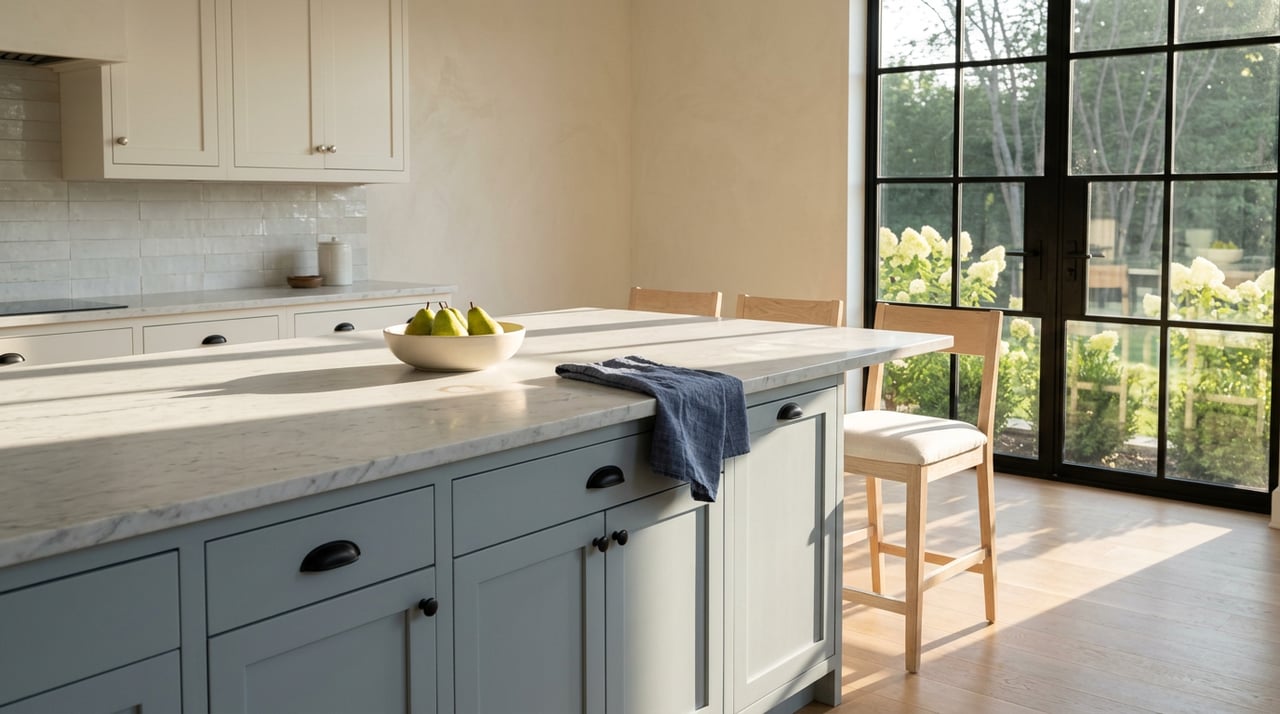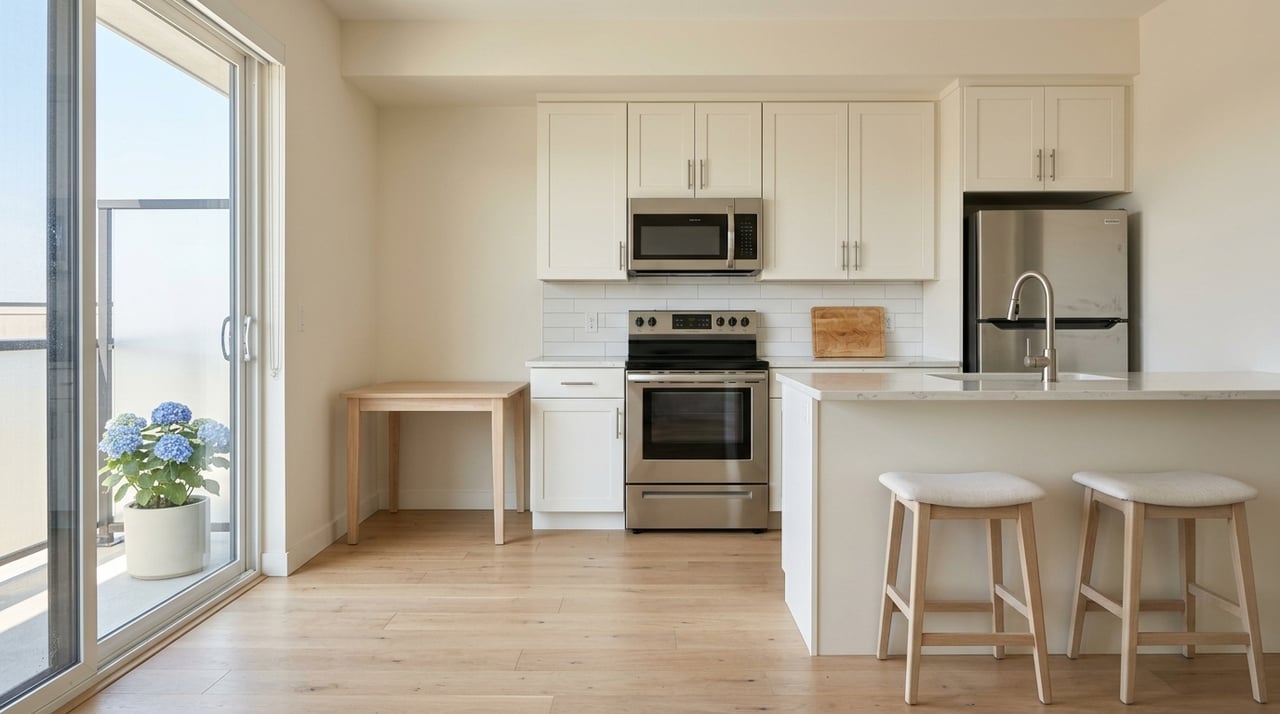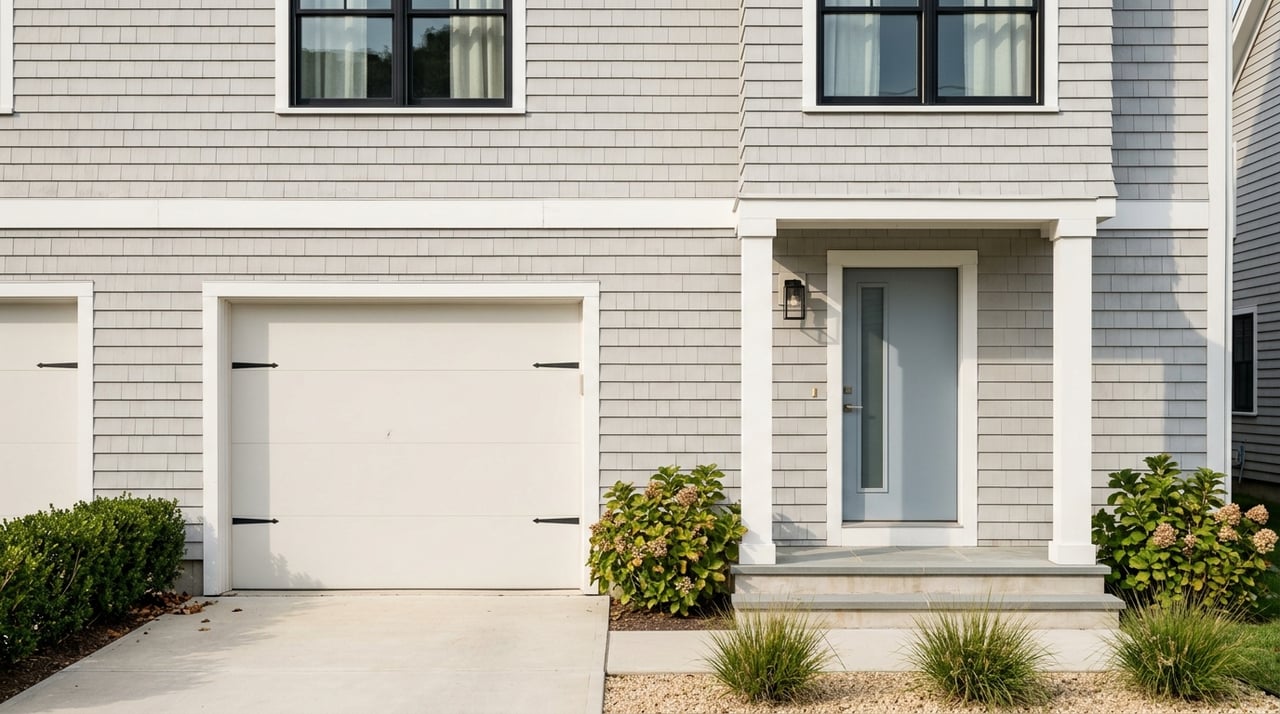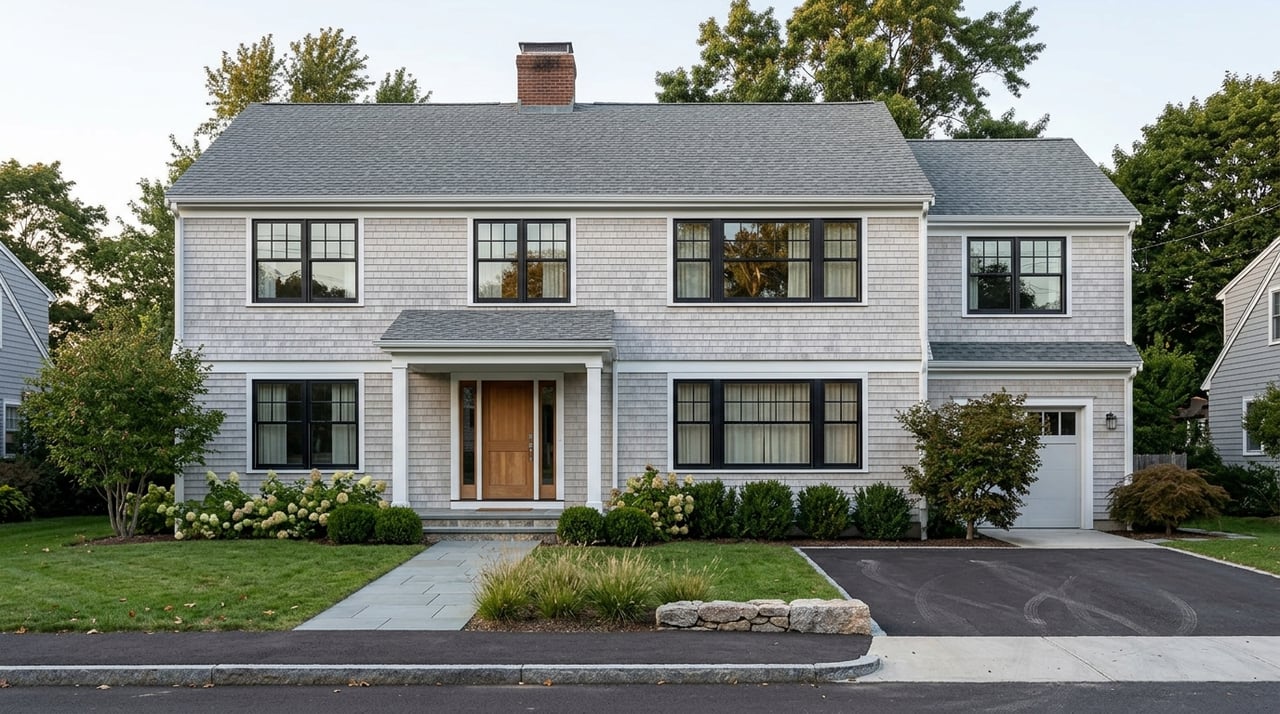
If you are torn between a home near the water and one farther inland, you are not alone. In Westport, that choice can shape your daily routine, your budget, and the kind of lifestyle you enjoy most. The good news is that both options offer strong appeal, and the best fit usually comes down to how you want to live day to day. Let’s dive in.
How Westport Supports Both Lifestyles
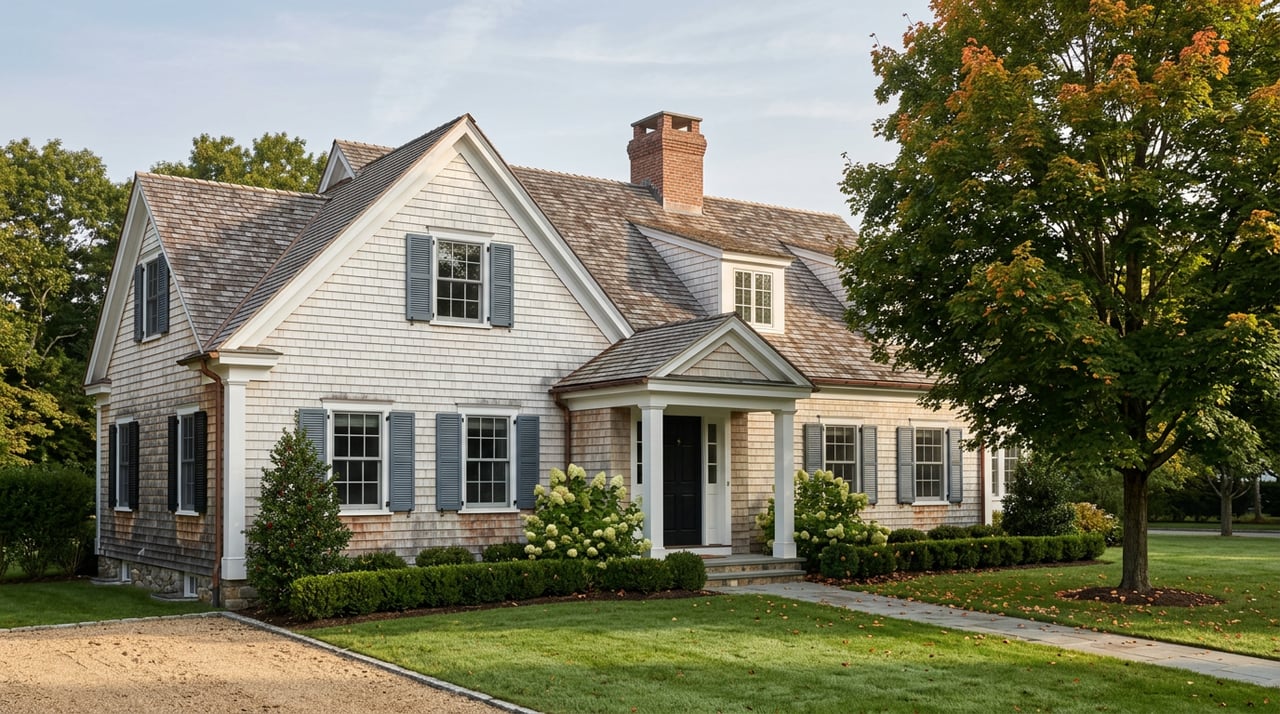
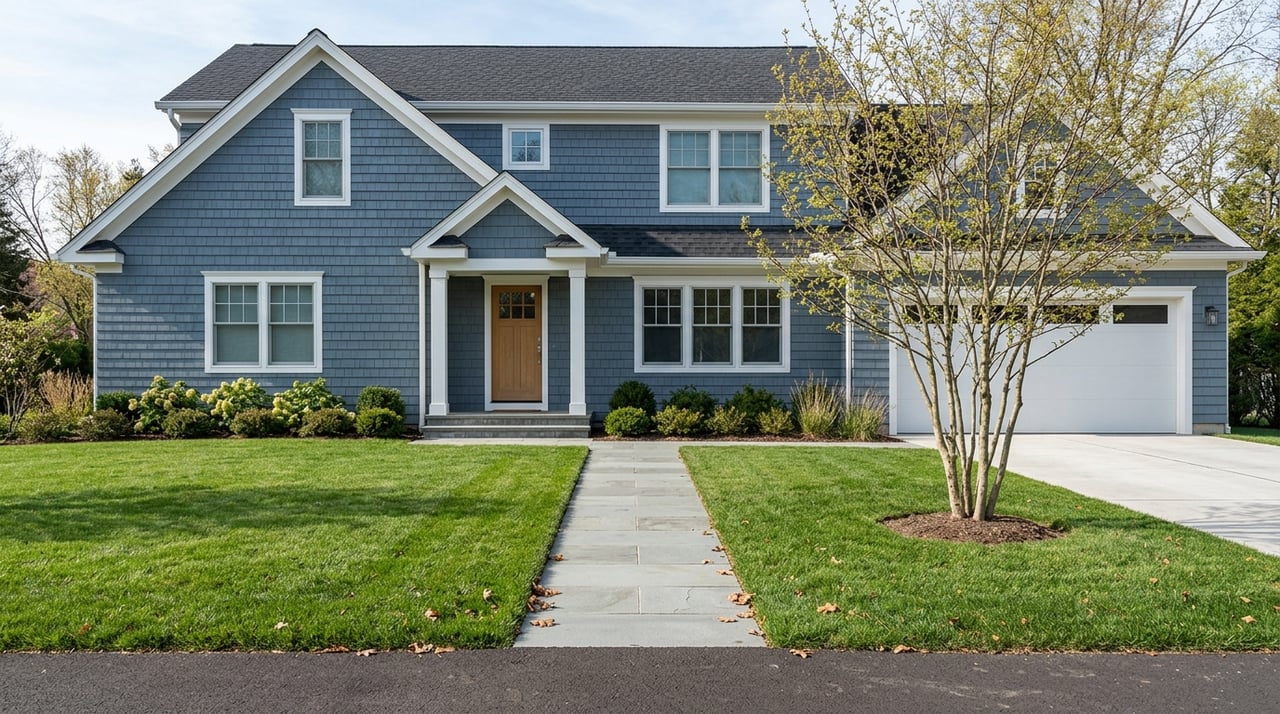
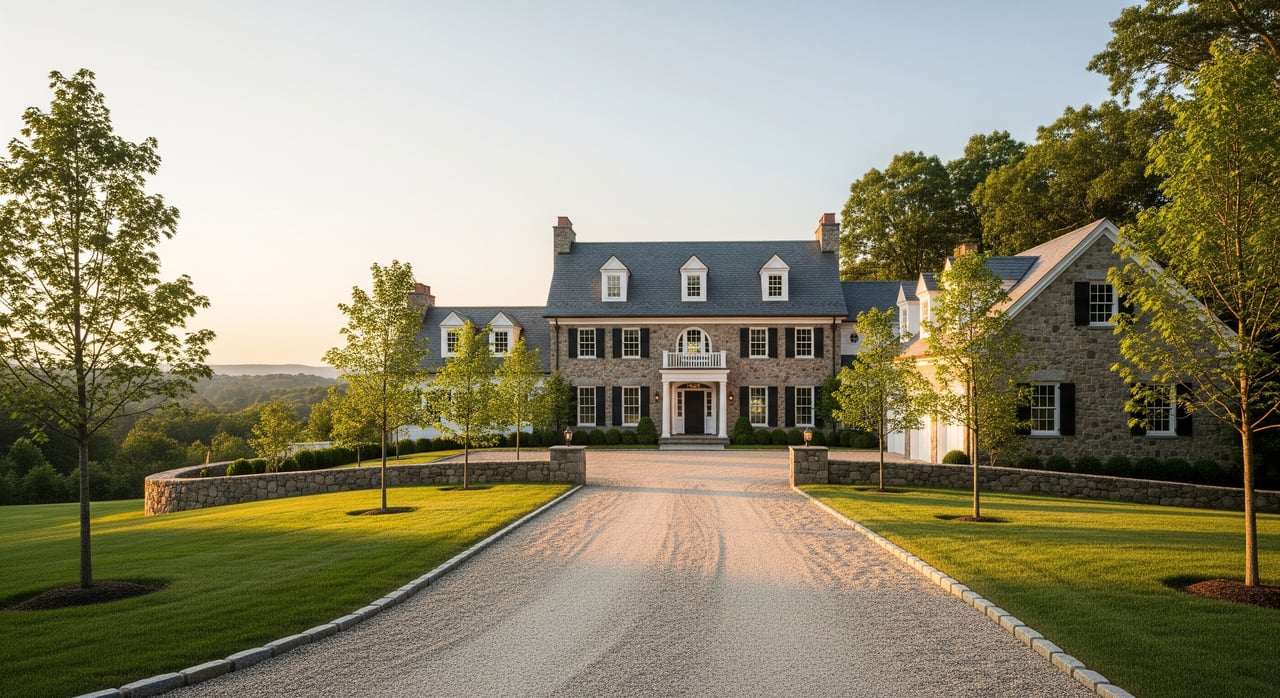
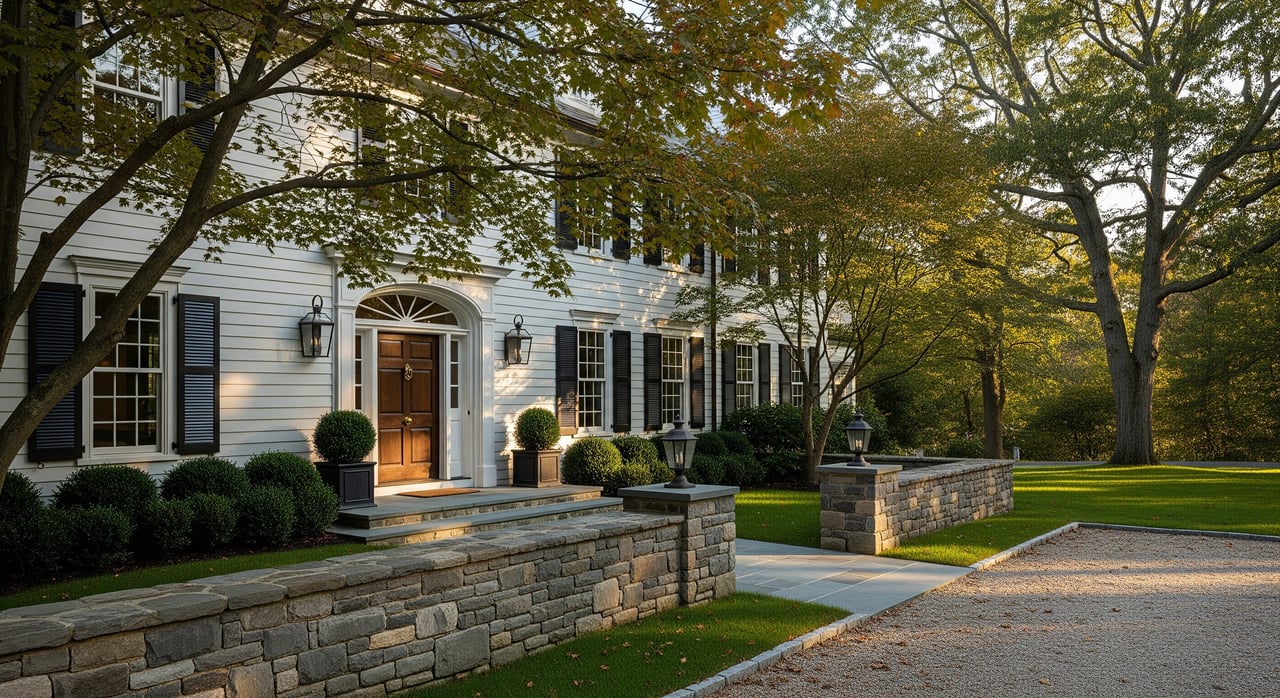
Westport is a largely single-family town of about 27,000 residents with a mix of housing types and settings. The town highlights 1- and 2-acre lot properties, homes near the center of town with walkability to shopping and dining, plus a notable number of beachfront, riverfront, and historic homes.
That variety is part of what makes Westport so appealing for buyers. You can focus on shoreline access and village-style convenience, or you can look inland for more privacy and larger yard space. Both paths can work well, depending on your priorities.
Westport also benefits from a location about 40 miles from New York City and access to I-95, U.S. 1, the Merritt Parkway, two Metro-North stations, Amtrak access, and a local commuter shuttle. For many buyers, that means the coastal versus inland decision is less about whether Westport works and more about which part of town fits your routine.
What Coastal Living Looks Like in Westport
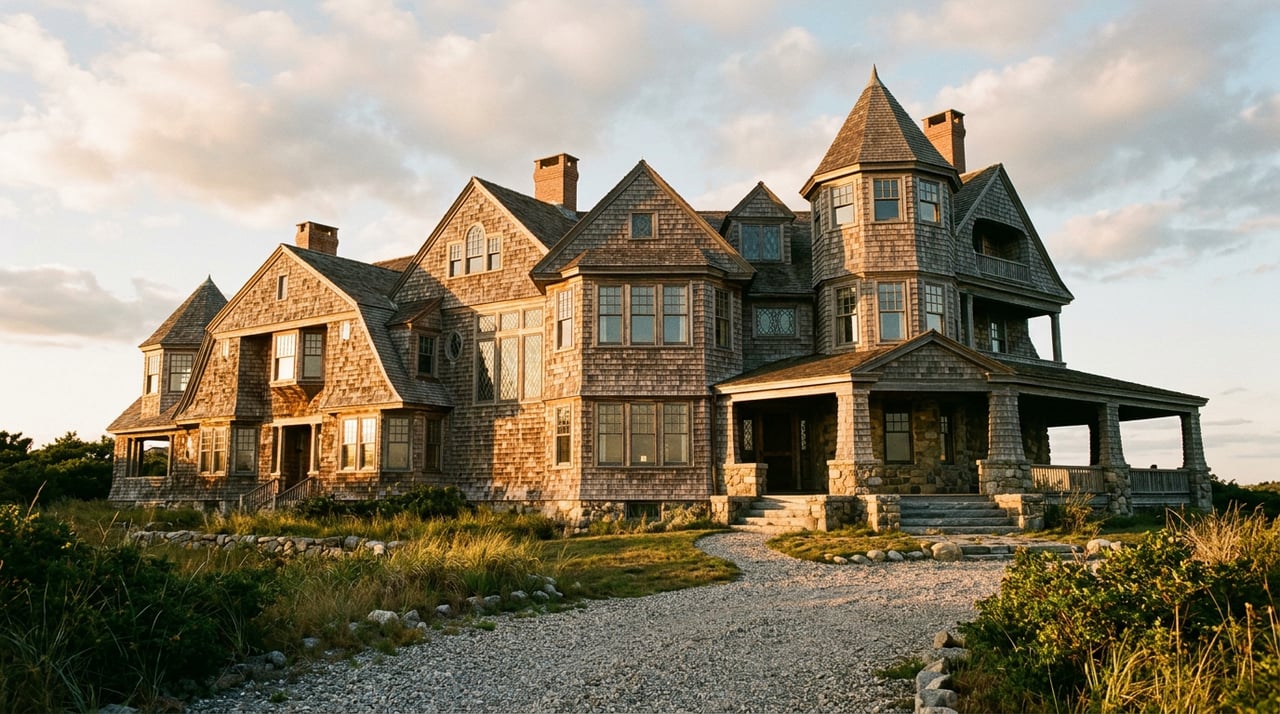
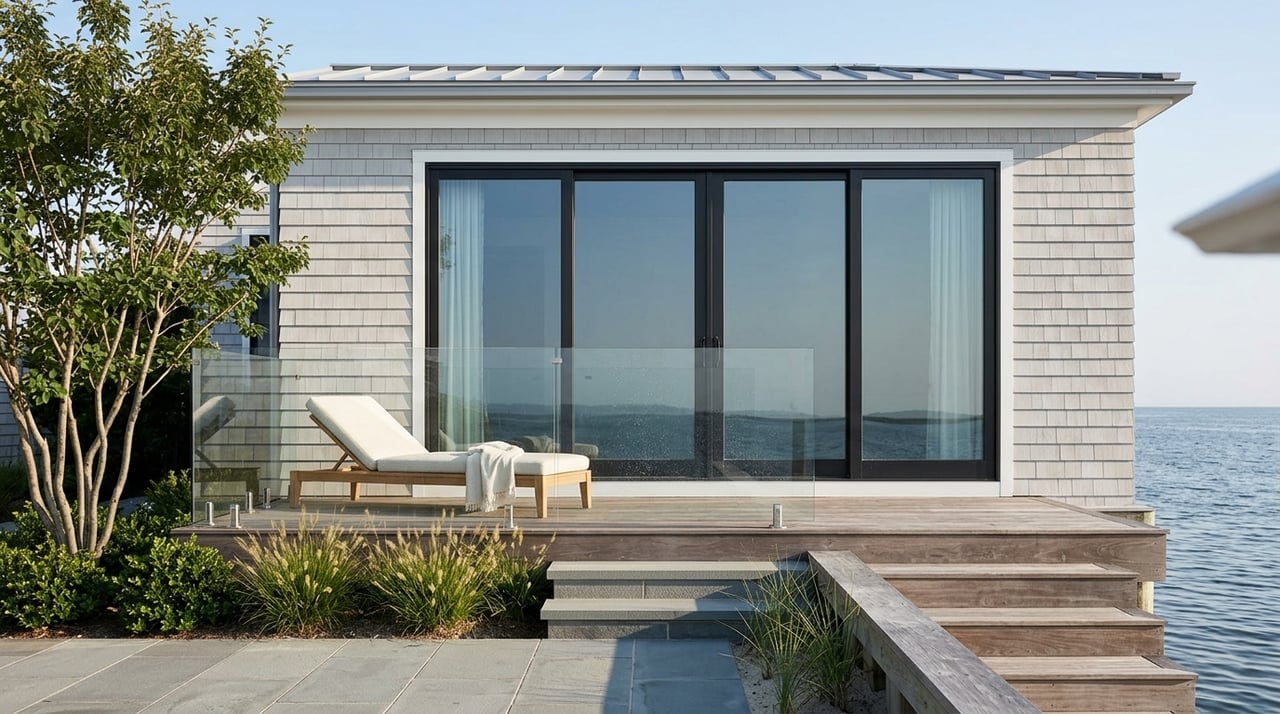
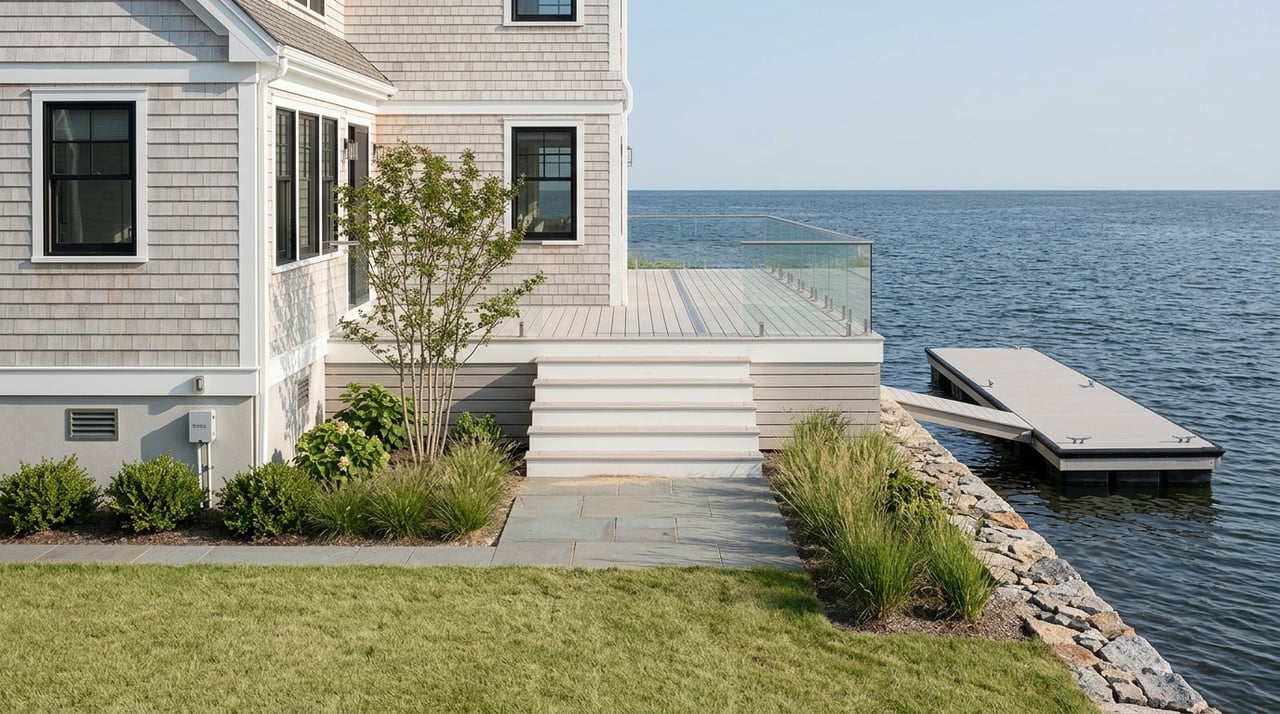
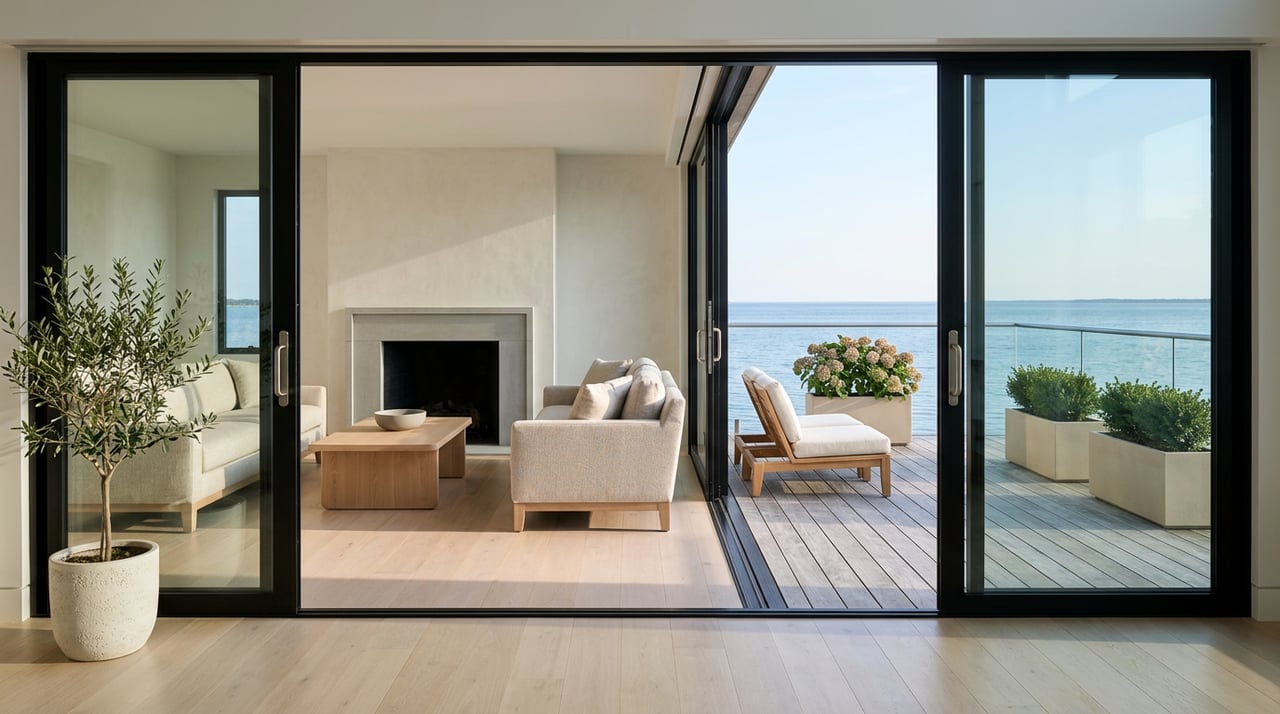
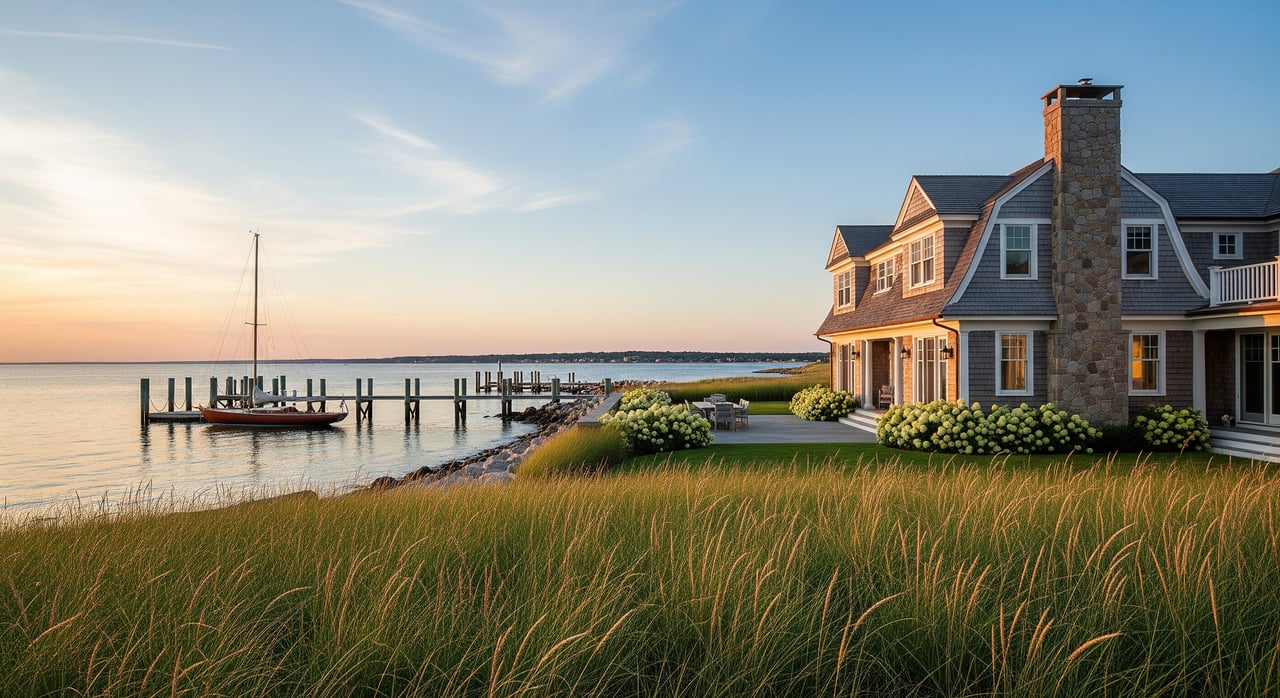
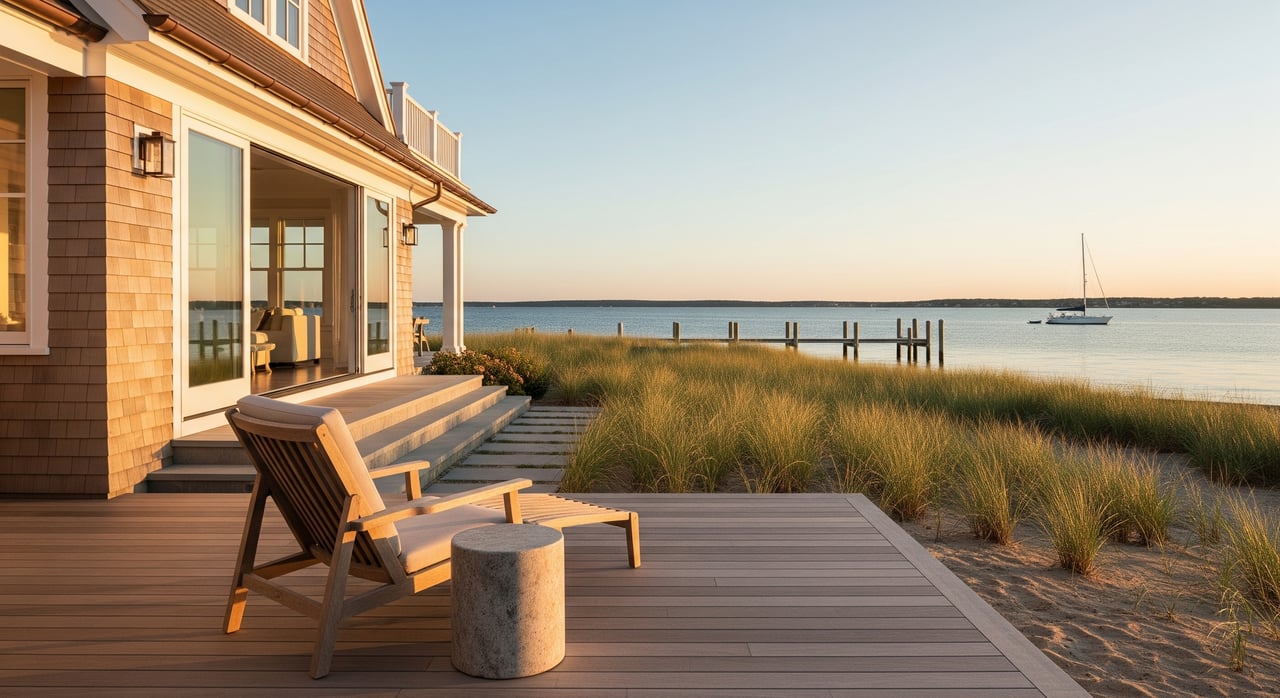
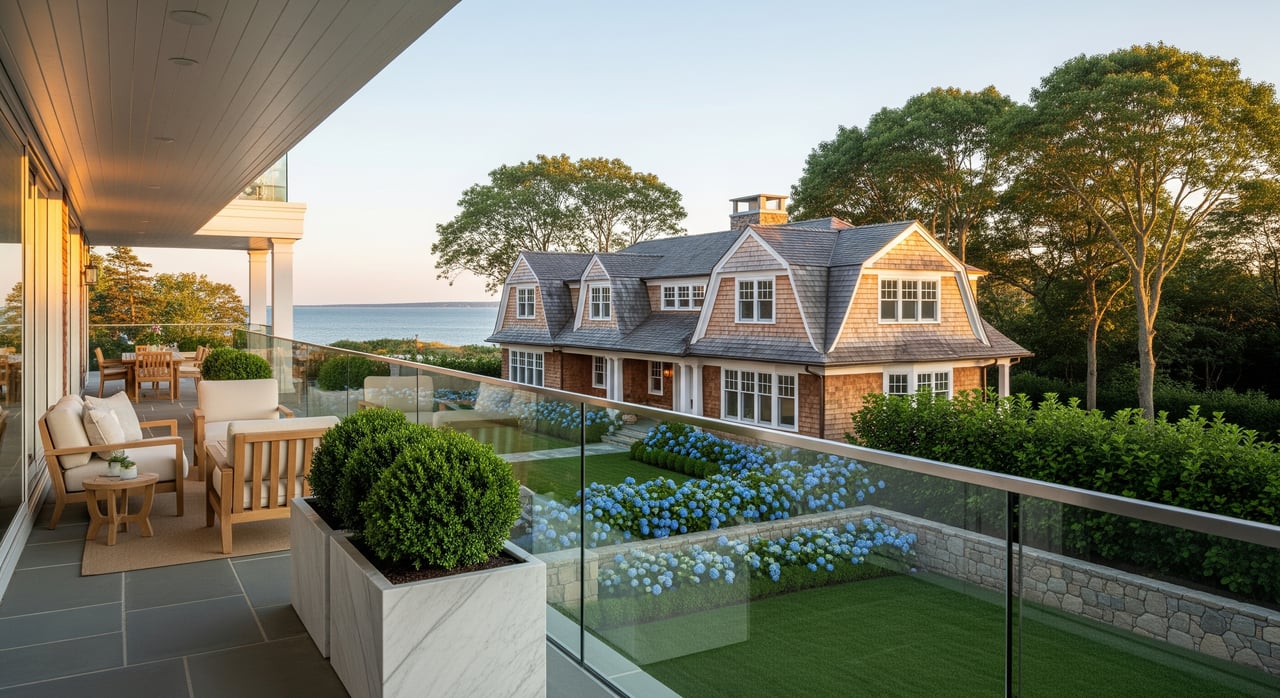
Westport’s coastal side is closely tied to areas such as Compo Beach, Burying Hill, Old Mill, Canal Beach, and parts of Saugatuck. These areas tend to draw buyers who want to feel more connected to the Long Island Sound and enjoy a setting that can feel more tied to the shoreline.
At Compo and Burying Hill, the town notes that waterfront properties have lifeguards from Memorial Day weekend through Labor Day weekend. The town also requires beach parking emblems from May 1 through September 30, which is an important detail if beach access is a big part of your lifestyle plan.
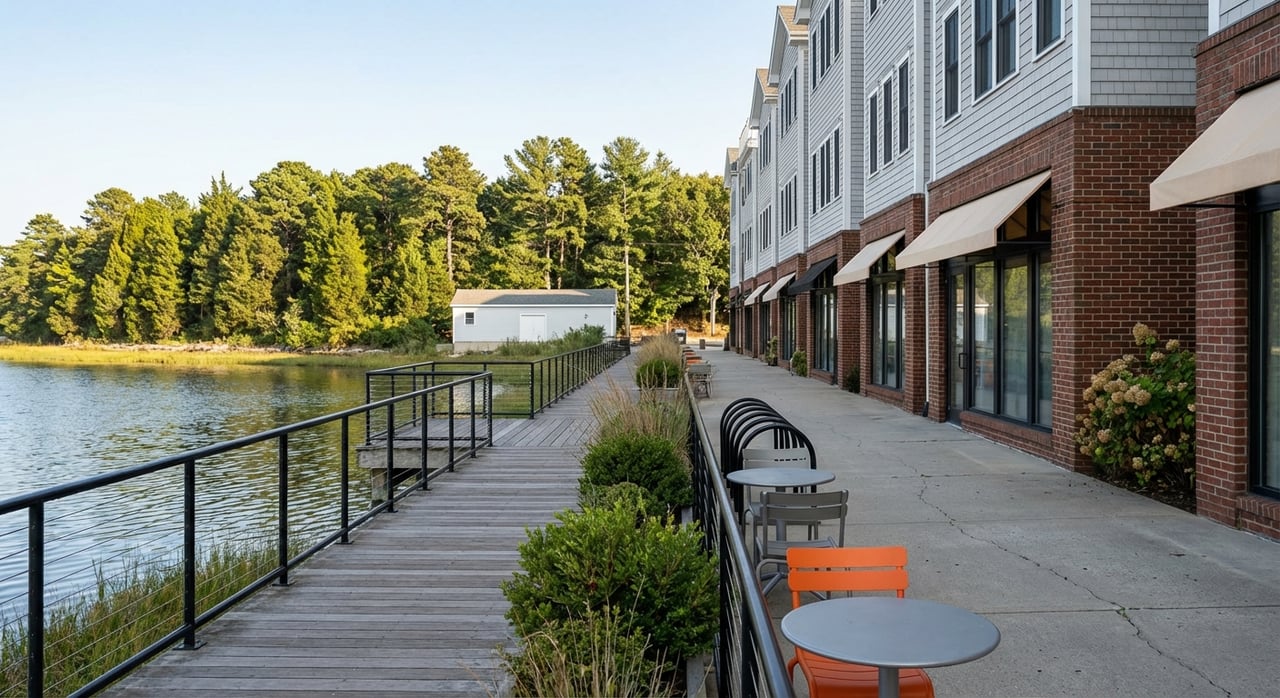
Saugatuck offers a slightly different coastal-adjacent feel. The town describes it as a historic transportation and commerce center with retail and dining, which can appeal if you want more of a village-like setting rather than a purely residential shoreline pocket.
Coastal Homes Often Come With a Premium
If you are drawn to the water, it helps to understand how pricing often works in Westport. Current market snapshots show that some of the top coastal segments sit well above the townwide median.
Realtor.com places the median listing price in Compo-Owenoke Historic District at $5.185 million and Greens Farms at $4.65 million. By comparison, Saugatuck sits at a lower listing tier at $1.895 million, which may make it worth a closer look if you want easier access to both the shoreline atmosphere and commuting options.
This does not mean every coastal or coastal-adjacent home falls into one price band. It does mean that if direct water proximity is high on your list, you should expect stronger pricing in many of Westport’s most recognized shoreline areas.
Coastal Living Can Be About Access and Atmosphere
For some buyers, the draw of coastal Westport is simple. You may value water views, easier beach access, or being closer to areas that feel more walkable and active.
That can be especially true if you are considering a move from a more urban setting and want a balance between suburban space and a more connected daily rhythm. Being near Saugatuck or close to downtown-adjacent coastal pockets can support that lifestyle in a practical way.
What Inland Living Looks Like in Westport
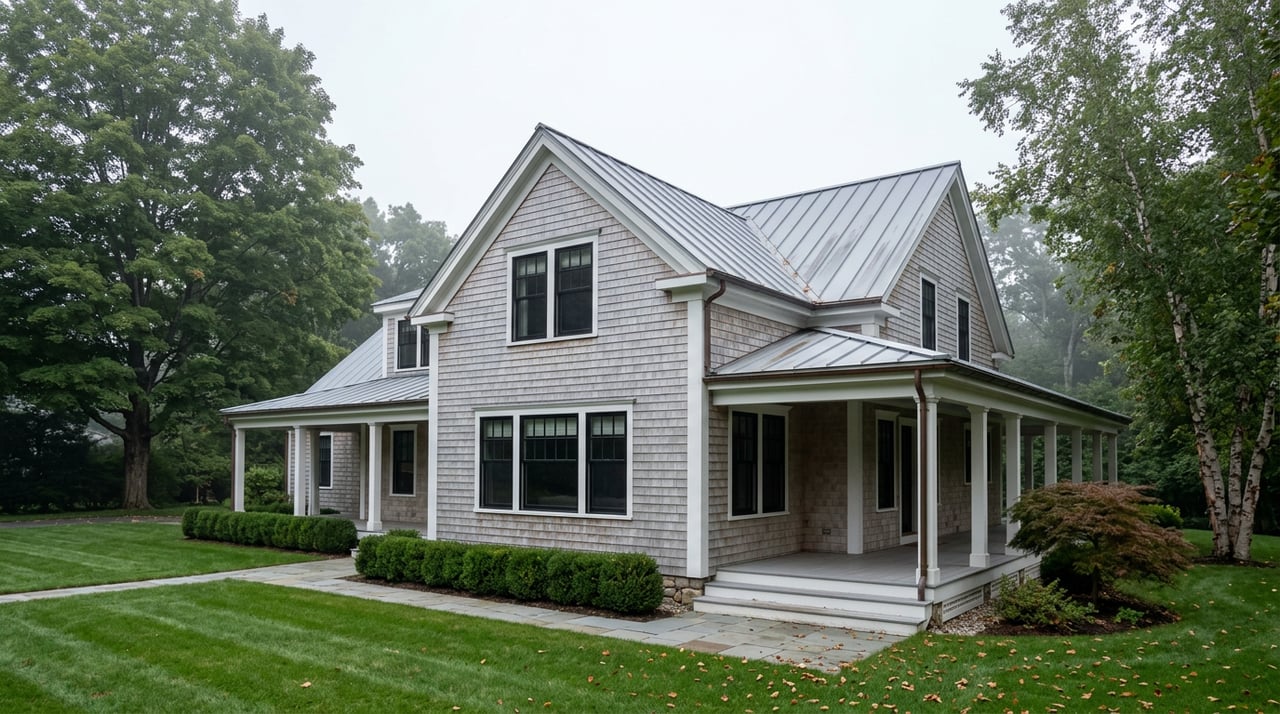
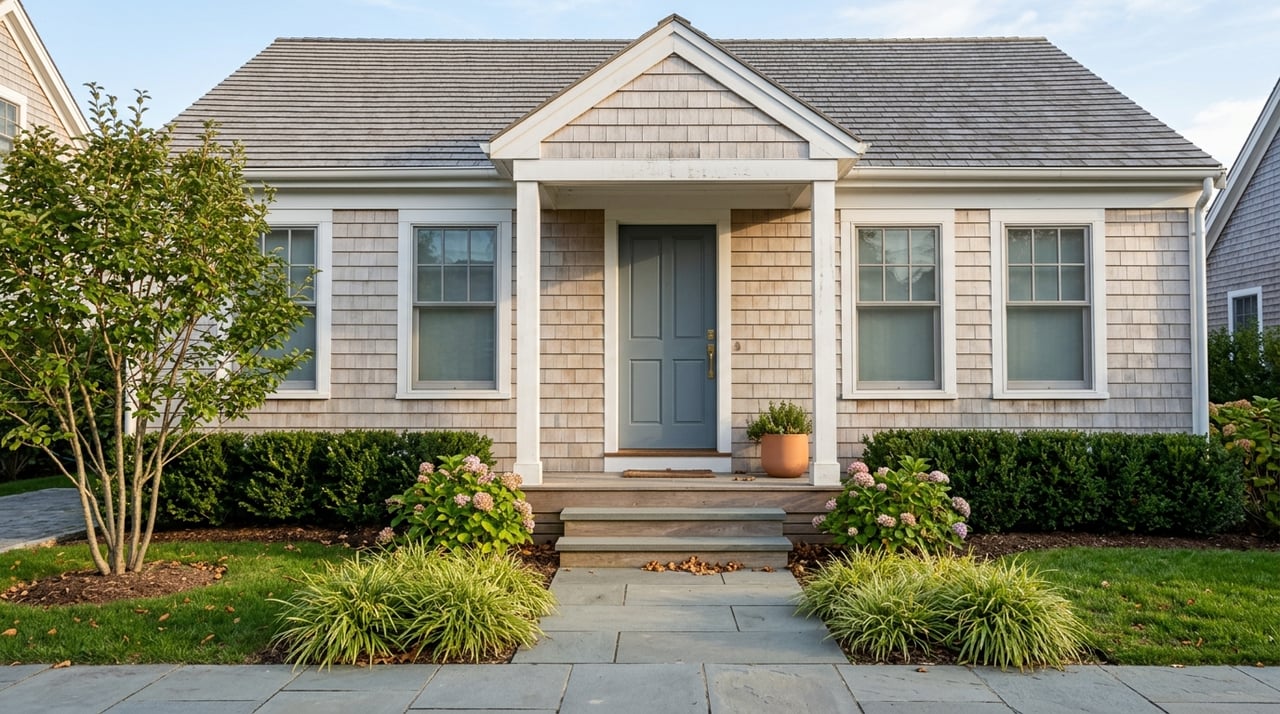
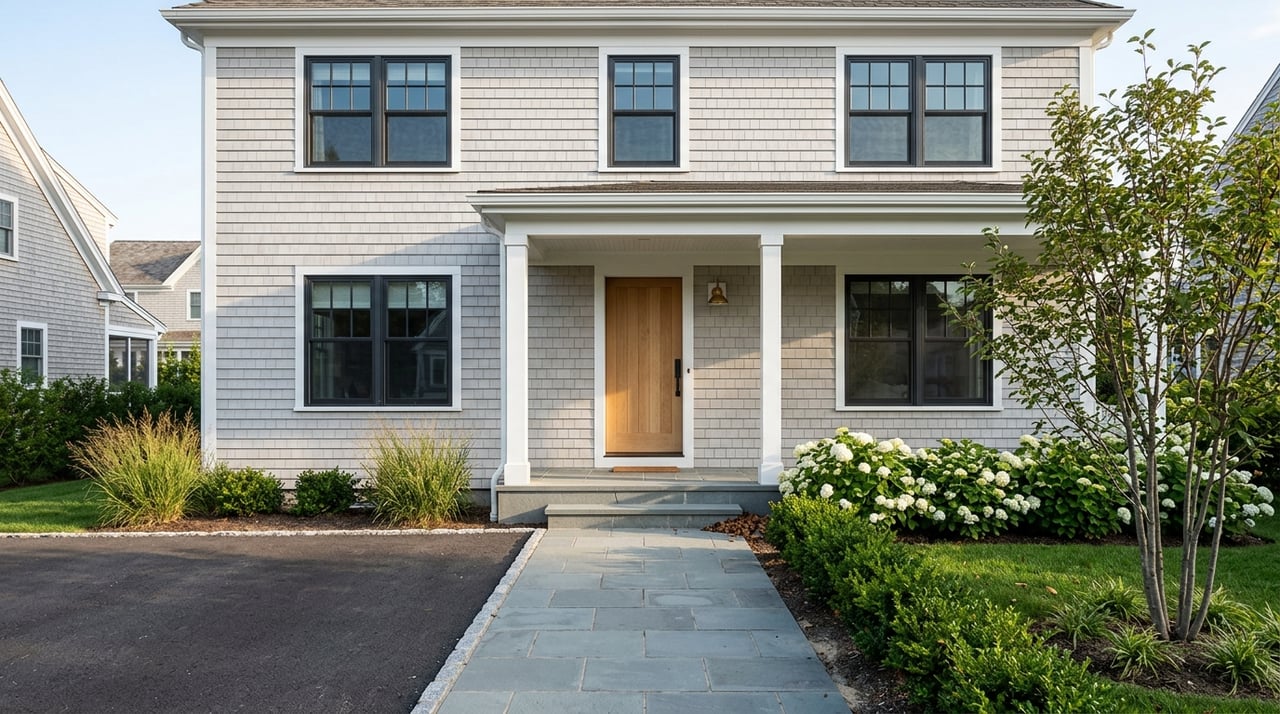
Inland Westport is often associated with neighborhoods such as Coleytown and Old Hill. These areas tend to attract buyers who want a quieter residential setting, more separation between homes, and the feel of classic suburban living.
Based on the town’s description of its 1- to 2-acre lot pattern, along with the concentration of beachfront properties in coastal pockets, the practical tradeoff is usually more privacy and yard space versus less immediate beach access. For many buyers, that is an easy trade to make.
NeighborhoodScout describes Coleytown as overwhelmingly detached single-family housing, with 97.6% of the residential stock made up of free-standing single-family homes. Old Hill and Poplar Plains are described as older, well-established areas with large-to-medium single-family homes and small apartment buildings.
Inland Pricing May Open Different Options
Westport is firmly a luxury market overall, but inland neighborhoods can sit below the top coastal enclaves. That can create more flexibility if you want to prioritize square footage, lot size, or long-term value planning.
Redfin’s April 2026 market data shows median sale prices of about $1.45 million in Old Hill and $1.48 million in Coleytown. Those figures are still high-end by many standards, but they are often below the pricing seen in Westport’s most exclusive shoreline segments.
For buyers comparing value across neighborhoods, that difference matters. A similar budget may buy a very different combination of land, house size, and setting inland than it would in a premium coastal pocket.
Inland Living Often Means More Privacy
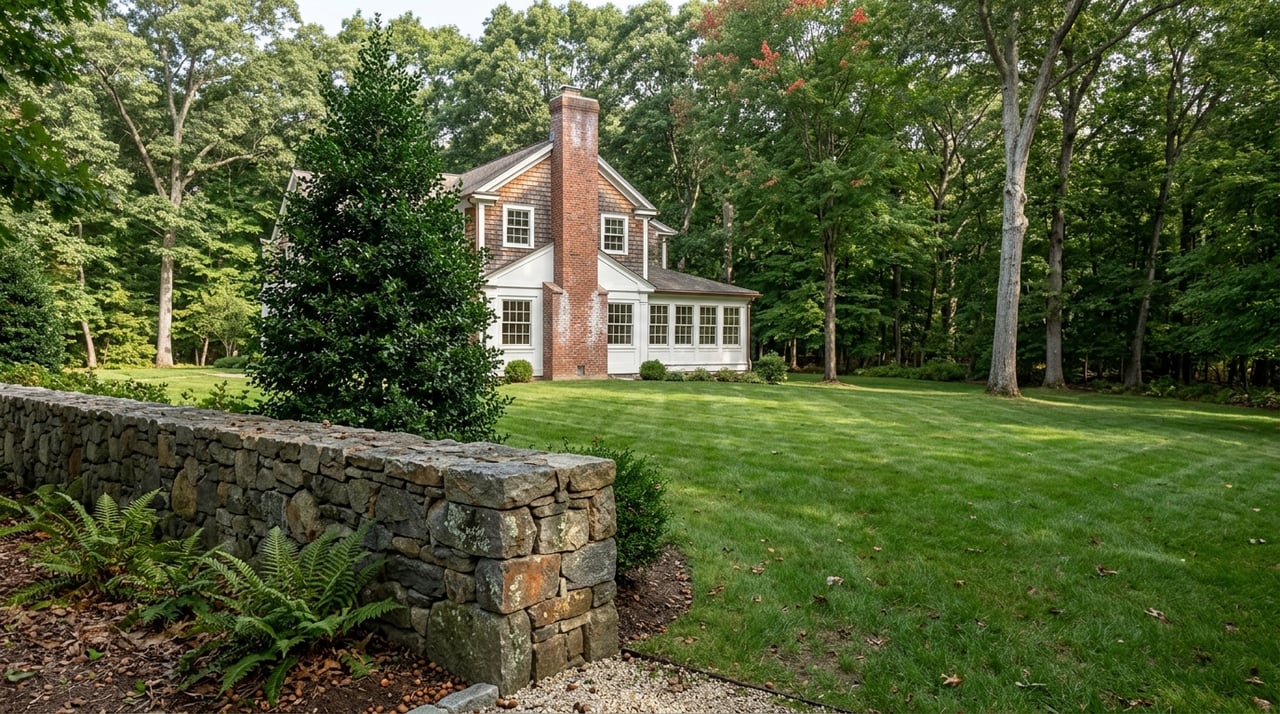
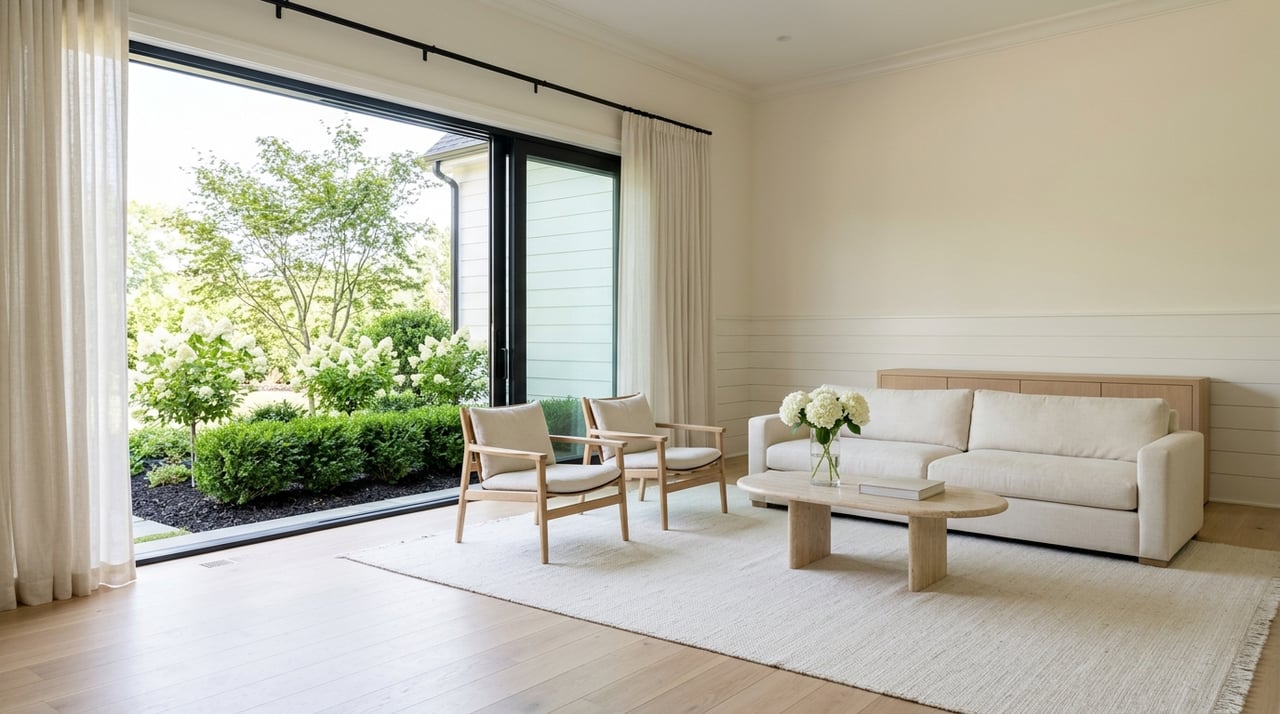
If your ideal home includes a larger yard, more distance from neighbors, or a quieter daily environment, inland Westport may feel like a better match. That can be especially appealing for move-up buyers who want more room to spread out.
It can also work well if your weekends are less about the beach and more about enjoying your own outdoor space. In that case, the inland option may support your lifestyle just as well, if not better.
Commuting and Daily Convenience
For many buyers, the real question is not just coastal versus inland. It is how each location affects school runs, errands, station access, and the general flow of the day.
Westport’s transportation network is a major advantage townwide. The town highlights access to I-95, U.S. 1, the Merritt Parkway, two Metro-North stations, Amtrak access, and a local commuter shuttle.
The Westport station is an accessible Metro-North New Haven Line station with elevators, ramps, tactile warning strips, and audiovisual passenger information systems. Green’s Farms is also on the New Haven Line, but it has ramp access only and no accessible path between platforms.
Westport Transit District’s Wheels2U program offers $2 shared rides between the Westport and Greens Farms stations and any Westport address. That service can be especially useful if you love an inland neighborhood but still want a practical station connection.
Coastal and Near-Downtown Areas May Feel More Plugged In
Neighborhoods closer to downtown, Saugatuck, or the rail corridors may feel more convenient if you expect to use the train often. That is a meaningful benefit for relocating professionals and regular commuters.
If you are looking for a lifestyle with easier access to dining, retail, and train service, those areas may deserve extra attention during your search. Convenience can carry as much weight as square footage for the right buyer.
Inland Areas May Be Better for Space-First Buyers
Inland neighborhoods often lean more toward driving or combining driving with Wheels2U for station access. That may not be a drawback if your top priorities are privacy, lot size, or a more tucked-away setting.
In practice, this becomes a lifestyle question. If you want your home to be the quiet center of your daily life, inland Westport may offer a more natural fit.
Understanding Westport’s Market by Tier
One of the most helpful ways to approach Westport is to think in pricing tiers rather than focus on one townwide number. Several market reports show different figures, but together they point to the same conclusion: Westport is a high-end market with distinct neighborhood-level differences.
As of April 2026, Realtor.com shows a median listing price of $2.897 million and median days on market of 38. Redfin shows a three-month median sale price of about $2.10 million, while Zillow shows a typical home value of $2.03 million.
These numbers use different methods and time frames, so they are best viewed as broad indicators rather than direct one-to-one comparisons. For buyers, the takeaway is that your target neighborhood matters just as much as your overall budget.
Coastal Buyers Need Extra Due Diligence
If you are seriously considering a coastal or river-adjacent property, due diligence becomes especially important. In Westport, shoreline and water-influenced parcels can require more detailed review than homes farther inland.
The town’s floodplain resources direct residents to check flood map panels by address through the FEMA Map Service Center. Westport’s GIS system also includes flood-zone and wetland mapping, and the town maintains flood and erosion control and waterway protection regulations.
That means parcel-level review matters. If you are buying near the coast, river, or wetlands, you will want to understand those details early so you can make a confident decision.
How to Choose the Right Fit
When buyers compare coastal and inland Westport, the choice usually comes down to a few practical questions. The right answer is personal, but it becomes clearer when you think about how you actually want to live.
Ask yourself:
- Do you want easier access to beaches, water views, or a more village-like setting?
- Is train convenience a major part of your weekly routine?
- Would you rather have more yard space and privacy?
- Are you comfortable with the extra review that may come with shoreline or flood-zone properties?
- Is your budget better aligned with inland value or coastal proximity?
There is no universal winner here. Westport supports both lifestyles well, and the smartest move is the one that matches your priorities, not just the map.
If you want help weighing commute patterns, pricing tiers, and neighborhood fit in a practical way, Linda Dunsmore Real Estate offers personalized guidance grounded in local knowledge and clear financial insight.
FAQs
What is the difference between coastal and inland living in Westport?
- Coastal living in Westport often means closer access to beaches, shoreline settings, and areas like Saugatuck, while inland living often means more privacy, larger yards, and a quieter residential feel.
What are typical home prices for coastal Westport neighborhoods?
- Current listing snapshots place Compo-Owenoke Historic District at a median listing price of $5.185 million, Greens Farms at $4.65 million, and Saugatuck at $1.895 million.
What are typical home prices for inland Westport neighborhoods?
- Redfin’s April 2026 data shows median sale prices of about $1.45 million in Old Hill and $1.48 million in Coleytown.
Is commuting easier from coastal Westport neighborhoods?
- Areas closer to downtown, Saugatuck, and the rail corridors may feel more convenient for regular train use, while inland neighborhoods often rely more on driving or the Wheels2U shared-ride service.
What should buyers check before purchasing a coastal Westport home?
- Buyers should review parcel-specific flood-zone and wetland information using the town’s GIS tools and floodplain resources, since shoreline and river-adjacent properties may require added due diligence.
Is Westport overall considered a luxury housing market?
- Yes. Recent market data shows townwide pricing indicators above $2 million, including a median listing price of $2.897 million and a three-month median sale price of about $2.10 million.