Wondering why one Norwalk home gets immediate offers while another sits and cuts price? In a mixed market like Norwalk, the answer is often not just what you own, but how accurately it is priced against the right competition. If you are getting ready to sell, this guide will help you understand how to price your home based on property type, condition, location, and buyer demand so you can launch with confidence. Let’s dive in.
Why Norwalk Is a Mixed Market
Norwalk is not one simple housing market. The city has a broad mix of housing types, including detached homes, attached homes, small multifamily properties, and larger apartment or condo buildings. According to the city’s housing profile, 46.6% of homes are detached, 6.0% are attached, 19.1% are in 2 to 4 unit buildings, 13.5% are in 5 to 19 unit buildings, and 14.6% are in 20+ unit buildings.
That matters because buyers do not compare every home in Norwalk the same way. A single-family home, condo, or townhome will usually compete most directly with similar homes in the same category. If you price off the wrong peer group, you can miss the market before your listing has a real chance to gain momentum.
Start With the Right Comp Set
The most important step in pricing your Norwalk home is choosing the right comparable sales. That means looking first at recently sold homes with the same property type, similar size, and a similar level of updates or condition. Citywide averages can provide context, but they are not precise enough to set a launch price for your specific home.
This is especially important in Norwalk because market performance differs by category. In Q1 2026, Norwalk recorded 75 house sales with a median closing price of $825,000, while 64 condos closed with a median closing price of $420,000. The same report showed that 67% of houses and 63% of condos sold at or above asking price.
Those numbers show strength, but they also show why detached and attached homes should not be lumped together. If you own a condo or townhome, comparing it to detached homes with land can distort value quickly. The cleaner the comp set, the more reliable your list price will be.
Use Norwalk Trends Carefully
Broad market data can help you understand the pace of the market, but it should not replace sold comps. Recent public trackers describe Norwalk as competitive, with about five offers on average and a roughly 25-day sale timeline over a recent three-month period. Zillow’s June 2026 page also showed a home value index of $679,881, a median sale price of $673,667, and a median sale-to-list ratio of 1.026.
Those figures are useful for context. They can help confirm that buyers are active and that well-priced homes are still moving. But when it is time to set your price, the stronger approach is to rely on recent comparable sales that match your home’s structure, condition, and location.
Property Type Comes First
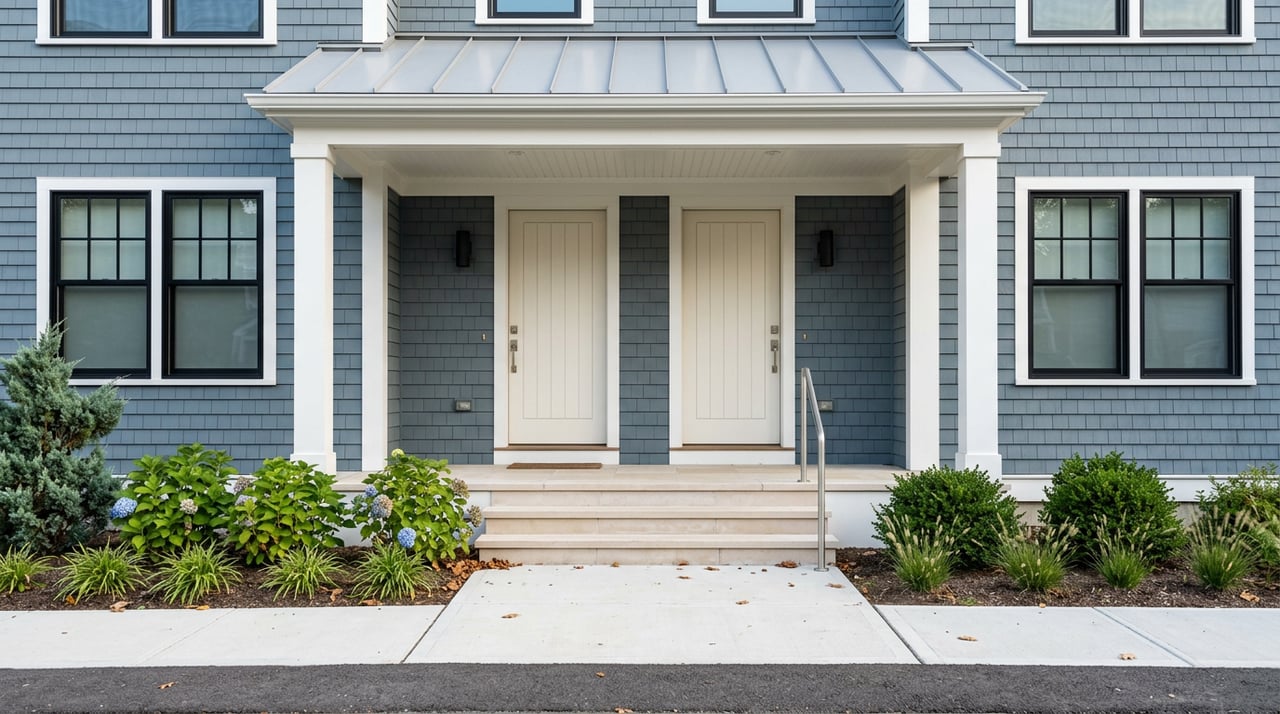
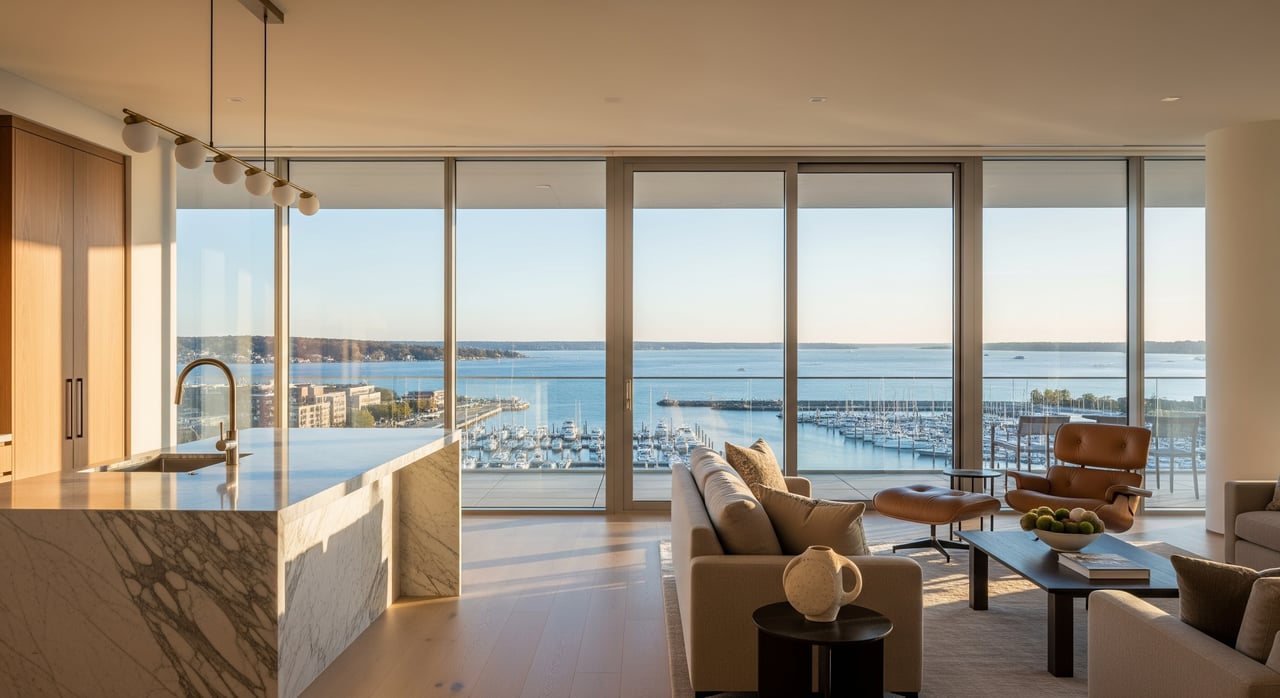
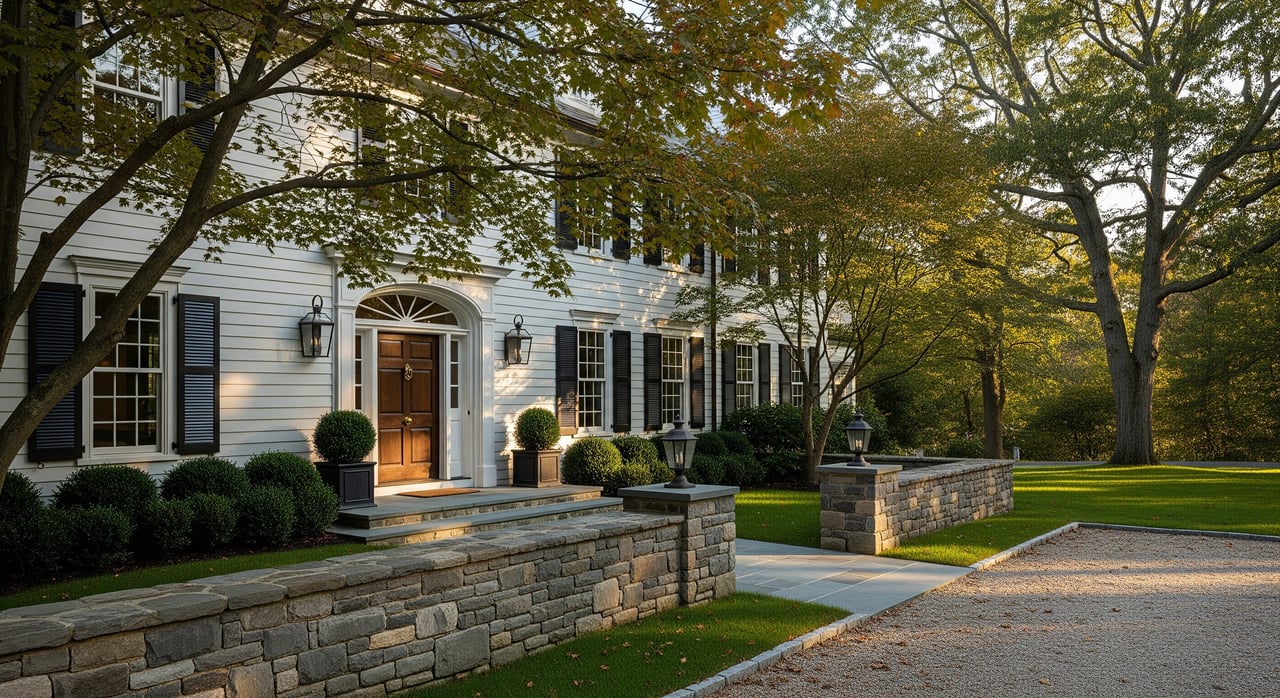
In a market like Norwalk, pricing starts with what kind of home you own. The city includes an urban core with newer multifamily apartment buildings and condominiums, while outer areas include townhouses, beachfront cottages, and single-family homes. That diversity creates very different buyer expectations.
If you are selling a detached home, buyers may focus heavily on lot use, privacy, layout, and overall condition. If you are selling a condo or townhome, buyers may place more weight on parking, outdoor space, convenience, and commute access. A townhouse with assigned parking and a deck may compare far more closely to another attached home than to a detached property nearby.
Because attached homes make up a relatively small share of Norwalk’s housing stock, your pricing strategy needs to be extra disciplined. Limited inventory can create opportunity, but only if you compare your listing to truly similar homes rather than stretching for a higher price based on a different category.
Condition Can Shift Value Fast
Two homes with the same bedroom count and square footage may not belong in the same price range. In Norwalk, that is especially true because much of the housing stock is older. The city reports that 79.0% of owner-occupied units and 61.7% of renter-occupied units were built before 1980.
That means updates can have a major effect on value. Renovated kitchens, newer mechanical systems, updated windows, and well-managed maintenance often matter more than a simple room count. On the other hand, deferred repairs can narrow your buyer pool and affect how aggressively you should price at launch.
When you look at comps, condition should be one of the first adjustments you make. If your home is more updated than the recent sales, that can support a stronger price. If it needs work, pricing honestly from the start can help you avoid sitting on the market and chasing reductions later.
Micro-Location Matters in Norwalk
Not every Norwalk location behaves the same way. Access to transit, parking, and neighborhood layout can influence buyer demand, especially for commuter-oriented homes. Norwalk has four commuter train stations: East Norwalk, Merritt 7/Glover Avenue, Rowayton, and South Norwalk, with Metro-North service at all four and Shore Line East connections at South Norwalk.
For many buyers, especially those considering condos, townhomes, or homes near the rail corridor, station access may affect perceived value and convenience. Parking also matters because station parking is managed through monthly permits and transient use. While there is no published Norwalk-specific dollar premium in the research, it is reasonable to treat transit access and parking as meaningful pricing factors when comparing similar homes.
Micro-location can also matter in less transit-focused parts of Norwalk. A home’s immediate setting, lot usability, and relationship to similar nearby listings can all influence where it should land within a pricing range. This is where local knowledge and careful comp selection become especially valuable.
Features Buyers May Pay More For
When buyers compare homes, they do not only look at square footage. They also respond to daily lifestyle features that make a property easier to enjoy. National consumer research found that 61% of consumers would pay more for outdoor living spaces, and many also value walkability to shops and restaurants, a yard for gardening, and proximity to public transportation.
In Norwalk, those preferences may show up in stronger interest for features like:
- Private outdoor space
- Usable shared outdoor areas
- Assigned parking
- Garage space
- Decks or patios
- Convenient rail access
These features are not equal across all property types. In a condo or townhome, a deck, parking space, or garage may have an outsized impact because those amenities are harder to find or compare. In a detached home, outdoor space and overall condition may carry more weight than a buyer would give them in a larger condo building.
Why Overpricing Is the Biggest Risk
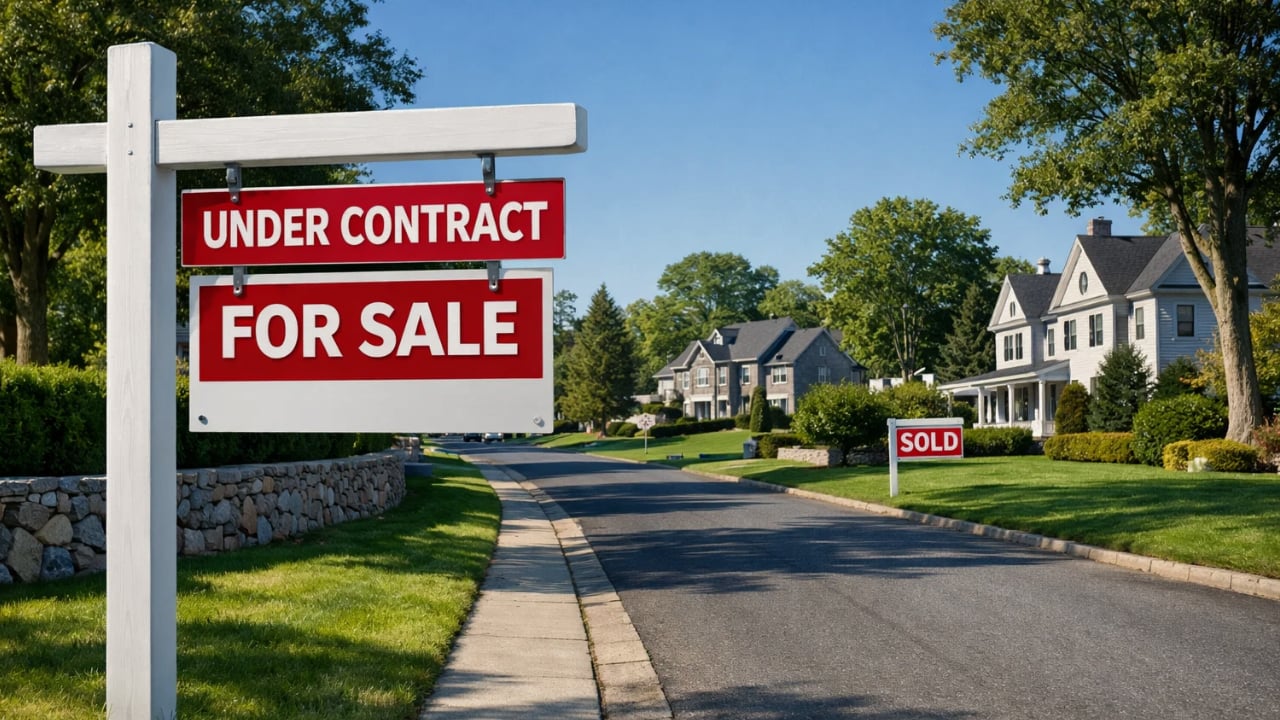
Many sellers assume they can start high and adjust later if needed. In reality, that approach can cost you leverage. Pricing research shows that when a home is listed too high, it may attract few or no bids and then require reductions, and homes that linger on the market are less likely to sell above the initial list price.
That lesson is especially relevant in Norwalk right now. The market is competitive enough to reward accurate launch pricing. In Q1 2026, most house and condo sales still closed at or above asking, and a June 2026 local report showed single-family homes selling at 107% of asking on average, with average days on market at 27.
That does not mean every listing should push beyond the evidence. It means buyers are responding when a home enters the market at a price that feels justified. The goal is not to test the market with an aspirational number. The goal is to enter with a price that creates urgency and protects your negotiating position.
A Smarter Norwalk Pricing Process
If you are preparing to list, a strong pricing process usually follows a clear order. Start with the most recent sold properties in the same category as your home. Then refine the number based on the features and trade-offs that matter most in Norwalk.
A practical pricing checklist includes:
- Identify recent sold comps in the same property type.
- Narrow to similar size, layout, and age range.
- Adjust for updates, maintenance, and mechanical condition.
- Compare parking, garage space, and outdoor areas.
- Factor in transit access where relevant.
- Review current competing listings for positioning.
- Set a launch price designed to attract early attention.
This process sounds simple, but the details matter. The difference between a strong launch and a slow start often comes down to how carefully those adjustments are made.
What Sellers Should Take Away
If you are selling in Norwalk, your home should be priced for its actual market, not for the broad city average. That means separating detached homes from condos and townhomes, adjusting for condition, and treating micro-location and convenience features as real value drivers. In a mixed market, precision matters.
The good news is that Norwalk still rewards well-priced listings. Buyers are active, and strong homes can move quickly. But the best results usually go to sellers who pair market momentum with disciplined pricing from day one.
If you want help building a pricing strategy that reflects your home’s type, condition, and position in the Norwalk market, Linda Dunsmore Real Estate offers personalized guidance with a high-touch, finance-informed approach.
FAQs
How should you price a single-family home in Norwalk?
- Start with recent sold single-family comps in Norwalk that are similar in size, condition, and location, then adjust for updates, outdoor space, parking, and other features.
How should you price a Norwalk condo or townhome?
- Use recent condo or attached-home sales instead of detached-home comps, and pay close attention to parking, outdoor space, building style, and transit convenience.
Why does condition matter so much when pricing a Norwalk home?
- Because much of Norwalk’s housing stock was built before 1980, updates and maintenance can significantly affect how buyers view value and how your home compares to recent sales.
Does train access affect Norwalk home pricing?
- It can matter, especially for commuter-oriented homes near East Norwalk, Merritt 7/Glover Avenue, Rowayton, or South Norwalk stations, though the research does not assign a specific local dollar premium.
Is overpricing risky in the Norwalk market?
- Yes. Research shows overpriced homes may get fewer offers, sit longer, and require price reductions, which can weaken your final outcome.
What is the best first step before listing a home in Norwalk?
- Review recent sold comps in the same property type and evaluate how your home’s condition, location, parking, and outdoor features compare before setting a launch price.