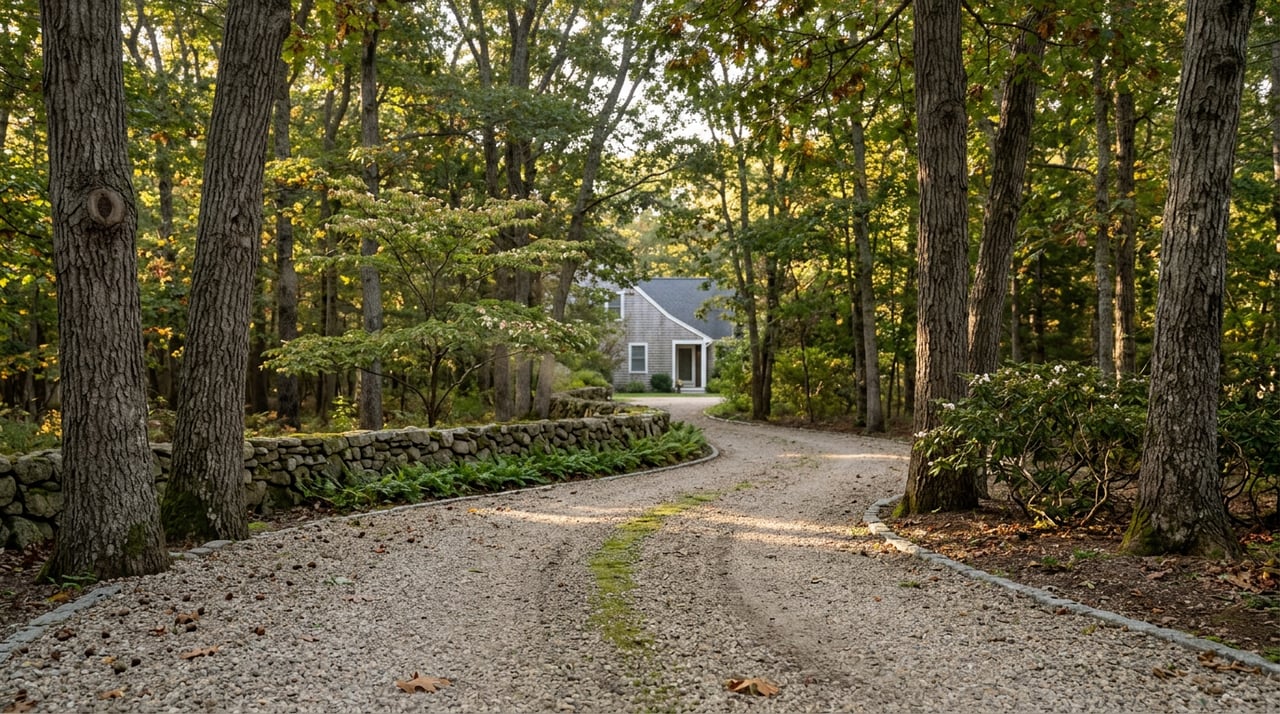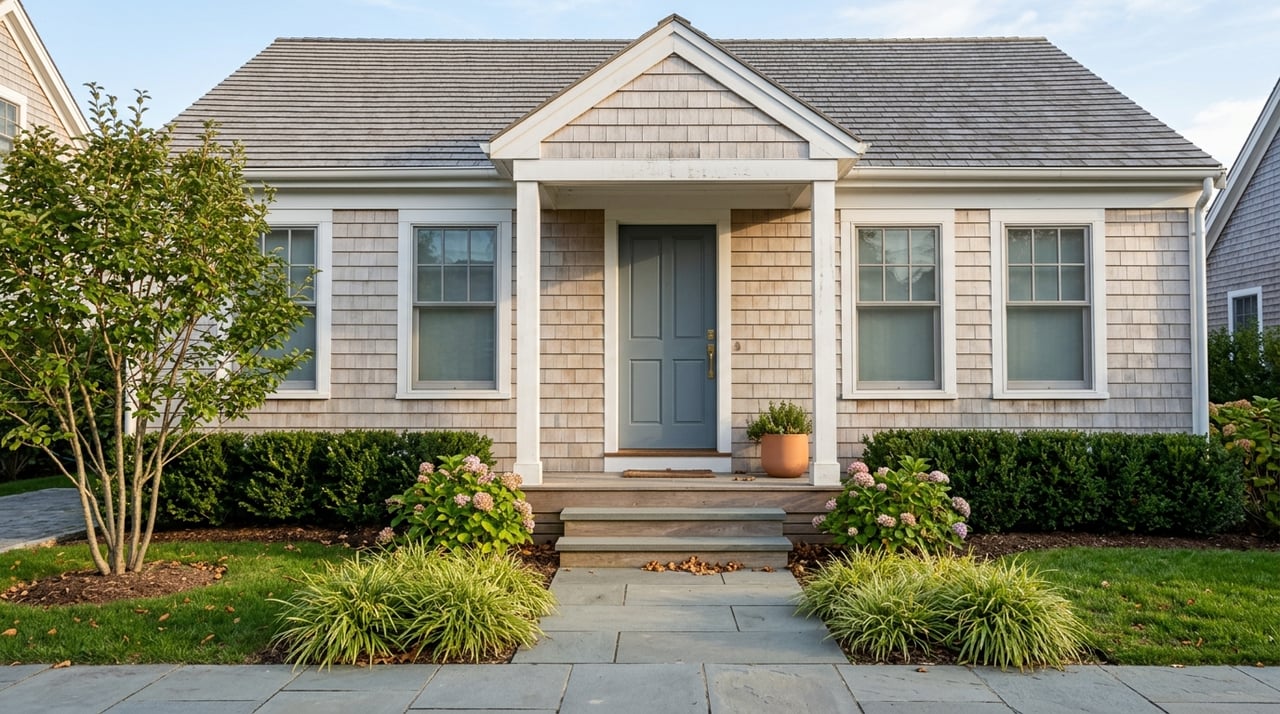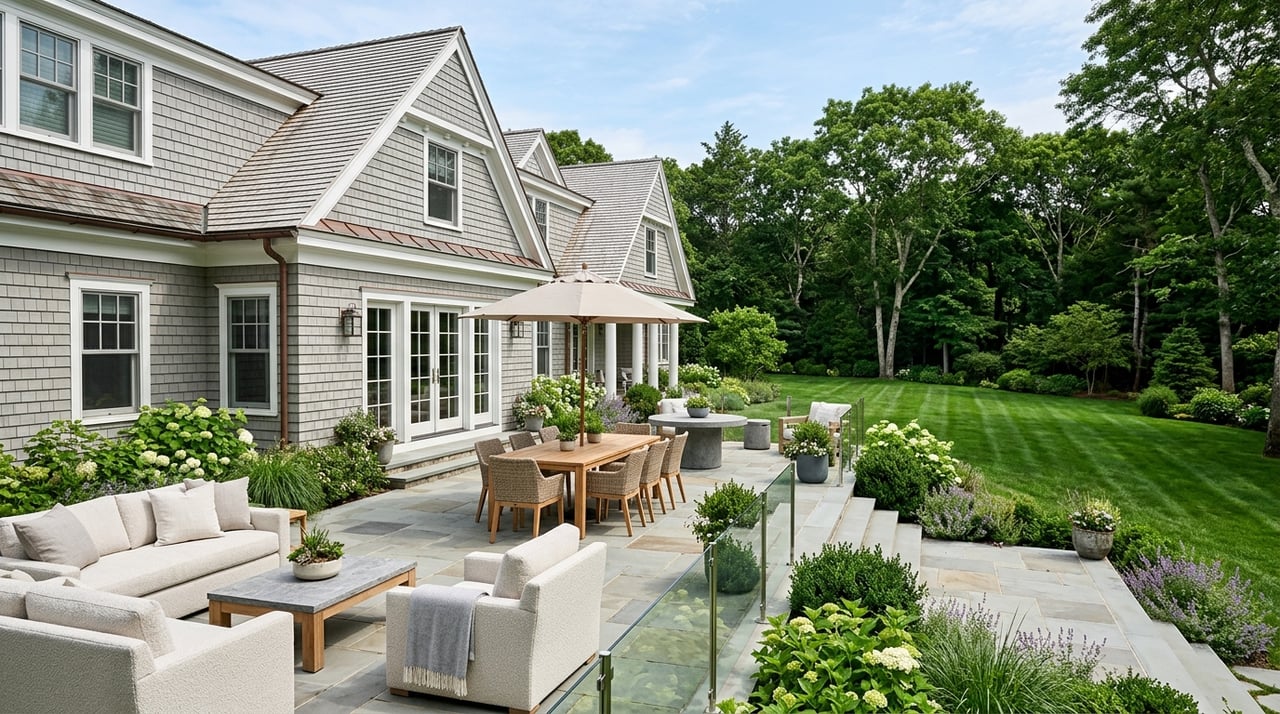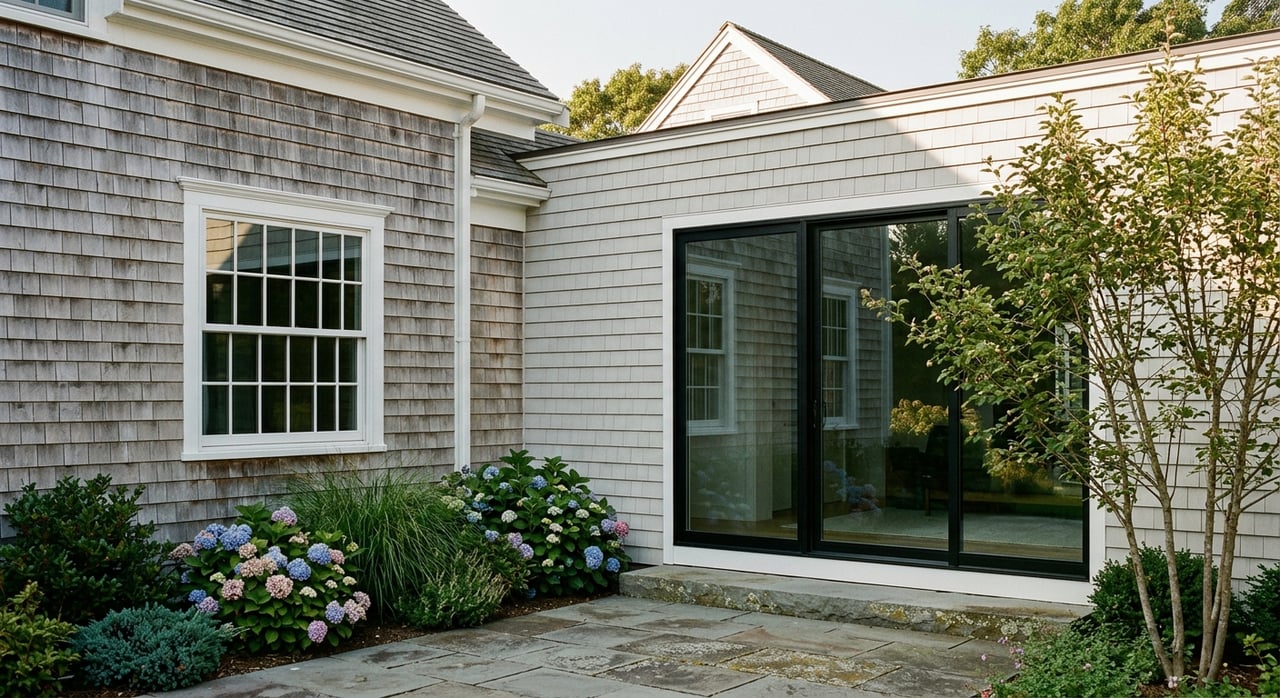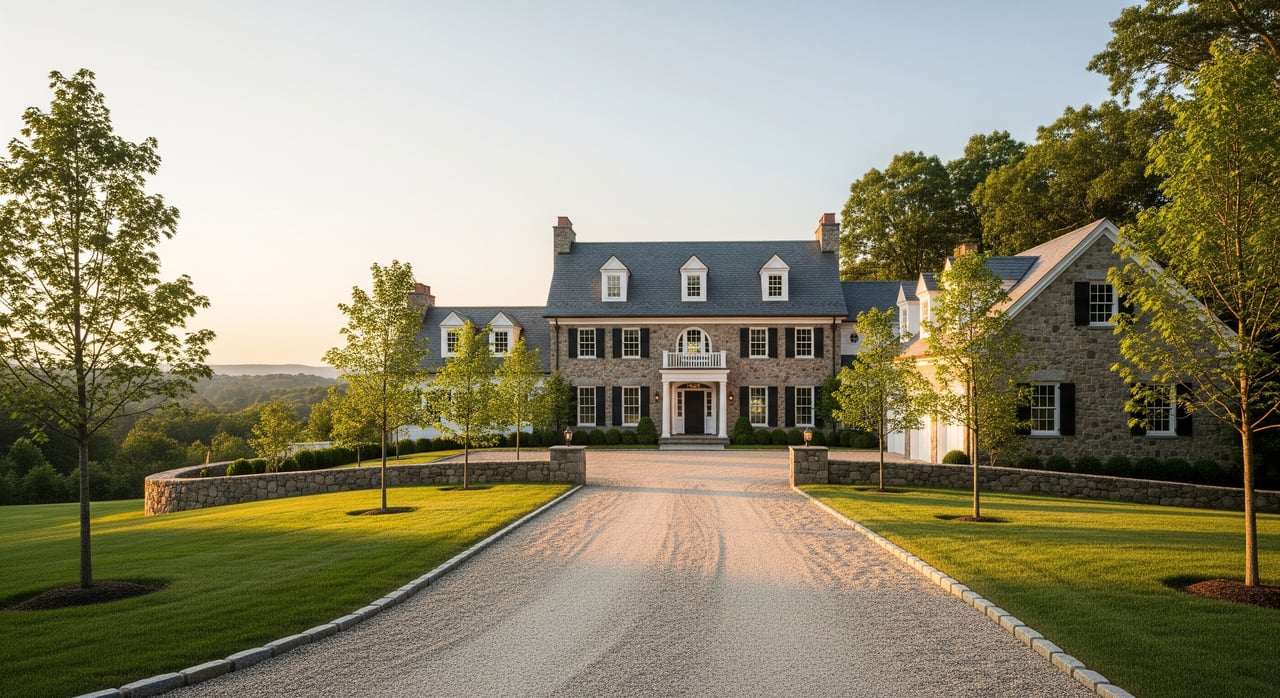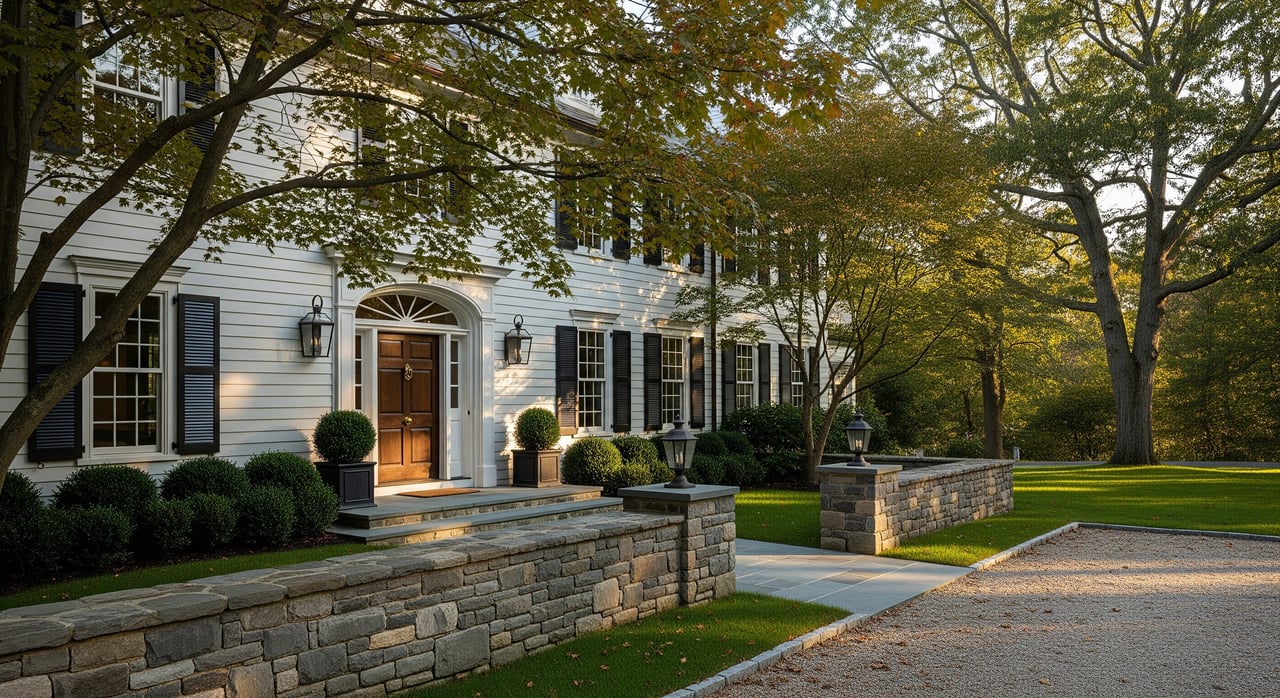
Get off the train at Cannondale station on a weekday morning and the platform looks like it has looked for decades. The 1852 depot building sits where the Danbury and Norwalk Railroad put it, the Norwalk River runs behind the old schoolhouse, and the handful of shops at Cannon Crossing open at the same unhurried pace they always have. It is the kind of place that makes people reach for the word timeless. This year, that word stopped being accurate. Underneath the stillness, three separate processes, a restaurant's fifth year in a building with a much longer history, a town-commissioned flood study of the same historic district, and a court ruling that just revived a stalled apartment project, all trace back to the same narrow constraint that has shaped this half-mile of Wilton since long before any of them started. Once you see the constraint, the village looks less frozen and more like something being tested in real time.
The restaurant that outlasted its own building's last three tenants
Baldanza at the Schoolhouse quietly passed a milestone this past July. Angela and Sandy Baldanza took over the 1872 one-room schoolhouse on Cannon Road on July 1, 2021, which puts them five years into a tenancy that, by Cannondale standards, counts as a long run. Before that, the same building operated for fourteen years as The Schoolhouse at Cannondale under Tim LaBant, who left to focus on Parlor Wilton and a new Parlor Darien location. Before the Baldanzas signed their lease, they had run Baldanza Cafe in New Canaan for eight and a half years and Baldanza Bistro in Darien, both of which closed during the pandemic when neither space could support outdoor seating. When they arrived at the schoolhouse, they hired Mario and Lauro, two brothers already working across the street at Craft 14 Kitchen and Bar, after Angela recognized Mario at lunch one day. In 2024 the restaurant landed on OpenTable's Top 100 Brunch Restaurants list, the only Connecticut entry that year, largely on the strength of its French country pancakes and its crab cake on brioche.
None of that is unusual for a good small restaurant. What is unusual is that the building itself has now hosted three distinct restaurant identities in roughly two decades without ever growing, changing footprint, or losing its river-facing patio. That kind of physical permanence in a hot restaurant market is not really about affection for old schoolhouses. It is about what the building is allowed to become, which turns out to be the same question now playing out at a much larger scale a few hundred feet away.
The sewer line that explains more than it should
The reason Cannondale's building stock has stayed so small for so long is not sentiment. It is capacity. The Town of Wilton's Water Pollution Control Authority controls sewer allocation in the district, and for most of the last fifteen years that authority has functioned as a hard ceiling on how much anyone could build here.
That ceiling got tested this year. A developer called Baywing LLC proposed a 70-unit apartment building at 19 Cannon Rd and applied to the WPCA for a sewer main extension and allocation. The WPCA rejected the application, Baywing sued, and after more than three years of litigation, Connecticut's Appellate Court sided with the developer. The court's May 26, 2026 decision upheld a lower ruling that found the WPCA had leaned on internal practices it had never written into its own regulations or disclosed to the applicant beforehand. The court also pointed to something the town had a harder time explaining away: in 2011, the WPCA had approved a nearly identical sewer extension for a different Cannondale project. That project was never built, but the approval was never revoked either, and its existence became evidence that the 2026 rejection was arbitrary rather than principled.
That single 2011 approval, sitting unused for fifteen years, turned out to be the crack that let the whole case through. The project still needs additional sign-off from the town's other land use boards, including Planning and Zoning, so nothing at 19 Cannon Rd is built yet. But the legal ceiling that had quietly protected Cannondale's scale for over a decade just lost its clearest justification in open court, which is a different situation than the village was in a year ago.
Here is how the pieces line up against each other:
| Year | What happened |
|---|---|
| 1852 | Danbury and Norwalk Railroad opens the line through Cannondale, creating the station stop |
| 1978–1989 | Actress June Havoc restores the 19th-century buildings that become Cannon Crossing |
| 1992 | Cannondale Historic District added to the National Register of Historic Places |
| 2011 | WPCA approves a sewer extension for a different Cannondale project that is never built or revoked |
| July 2021 | The Baldanza family takes over the schoolhouse building on Cannon Road |
| January 2026 | Town commissions a flood risk and mitigation study of the historic district |
| May 2026 | Appellate Court sides with Baywing LLC against the town's WPCA, reviving the 19 Cannon Rd apartment proposal |
The other study nobody's talking about yet
While the apartment case worked its way through the courts, the town was quietly commissioning something else: a flood risk assessment of the exact same buildings that make Cannondale worth visiting in the first place. In January 2026, Wilton hired Building Conservation Associates and Race Coastal Engineering to produce a pre-master planning study focused specifically on flood risk and mitigation for the historic Cannondale Village district. The team includes a director of preservation services and a conservation architect from the New York firm alongside a coastal engineering vice president based in Stratford. The study's own cover materials date a photo of the Cannon Crossing shops to December 2025, which tells you how recently this work started.
What makes this notable is what it is not. According to reporting on the apartment case, a full Cannondale master planning process had not yet begun as of late May 2026, even though the flood study had already wrapped up months earlier. The town is examining this district in pieces: a narrow engineering study here, a court case forcing its hand there, no single document yet tying the two together. That gap matters if you live here, because the buildings under flood review are the same ones with patios overlooking the Norwalk River, including the one behind Baldanza's dining room, and the same river valley that would absorb whatever gets built at 19 Cannon Rd if the project clears its remaining approvals.
Cannondale had 396 residents as of the 2020 census. Three unrelated town processes are now active in a district that small at the same time, which is not something the village has had to absorb before.
What this actually changes for someone walking through
None of this rearranges the physical experience of Cannondale today. The train still runs on the Danbury line, the station still offers 140 free parking spaces managed by the town, and Baldanza still serves brunch on the weekends. But the three threads above are not separate stories happening to coincide in the same zip code. They are the same story, told from a restaurant's kitchen, a courtroom, and an engineering firm's field notes:
- A tenant can stay five years in a building that has held three different restaurants because the building itself was never allowed to grow past what a small system could support.
- That same system just lost a fifteen-year-old piece of its own legal footing in an appellate court, because an approval nobody used in 2011 became the evidence that undid a rejection in 2026.
- The buildings everyone assumes are protected by history are now also being measured for flood exposure, in a study that finished before anyone started asking how it connects to the larger planning question the town hasn't opened yet.
If you've walked past the Cannondale platform assuming it looks the same because nothing changes here, this is the year that assumption got a harder look than it's had in a long time. Worth knowing before the next headline about 19 Cannon Rd shows up in your feed and you're trying to figure out why it matters more than it seems to.
If you're weighing what a village this small, this contested, and this historically layered actually means for a purchase or a long-term hold in Wilton, that's a conversation worth having with someone who tracks these threads for a living. Linda Dunsmore works Fairfield County full time and can walk you through what districts like Cannondale mean for the decisions in front of you. Schedule a personalized consultation whenever you're ready to talk specifics.