If the idea of living near the water in Fairfield County keeps pulling you in, Norwalk deserves a closer look. This is not a one-note beach town or a single marina district. It is a shoreline city where boating, parks, beaches, commuter access, and neighborhood routines all shape what daily life feels like. If you are wondering what waterfront living in Norwalk really looks like, here is what to know before you make a move.
Norwalk Waterfront Living Has Range
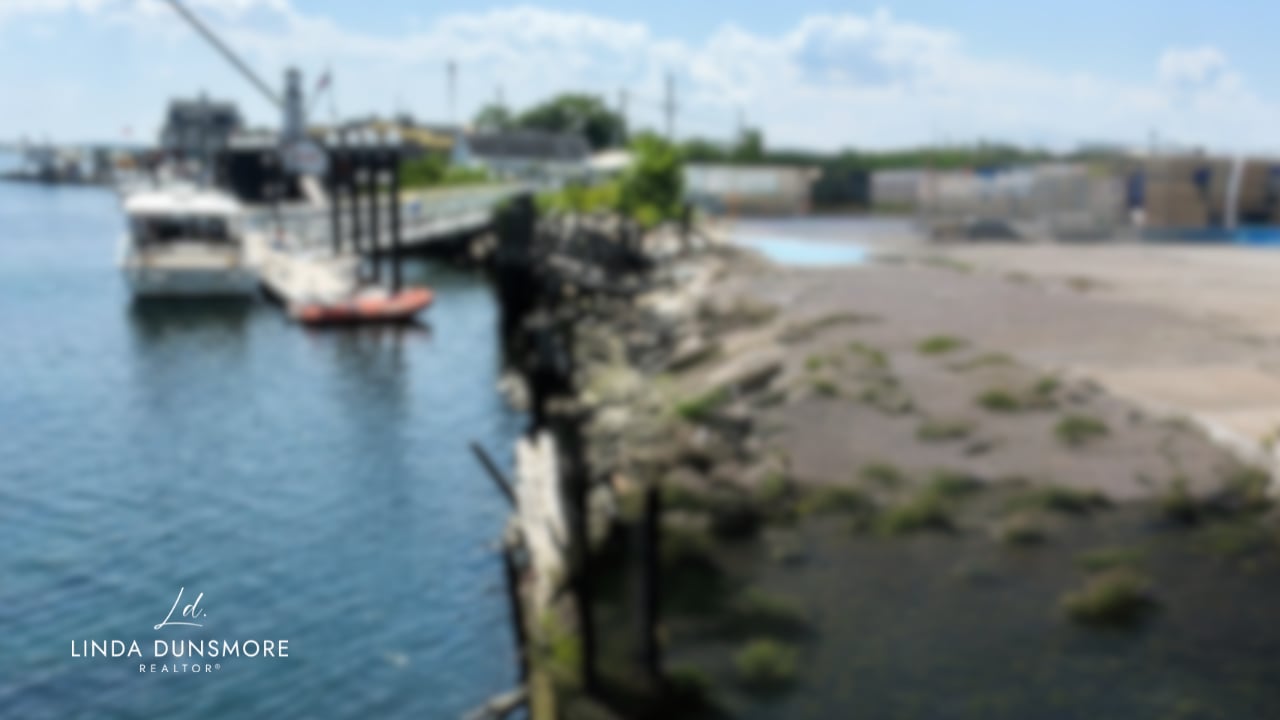
Norwalk’s shoreline works as both a scenic setting and an active harbor. According to the city, the waterfront supports recreational boating, commercial shellfishing, and other water-dependent uses, with 15 marinas, 13 private clubs with boating facilities, more than 1,800 berthing spaces, and more than 500 mooring locations.
That matters because waterfront living here is not one single experience. Some areas feel closely tied to marinas and harbor activity, while others are more about beach access, neighborhood streets, or a village-like coastal setting. In practical terms, your day-to-day lifestyle can look very different depending on where you land.
East Norwalk and Rowayton Feel Distinct
Visit Norwalk describes East Norwalk as a shoreline community known for residential streets and beaches. That can appeal if you want everyday access to the coast without losing the feel of a connected neighborhood.
Rowayton is often described as a coastal village with boaters, beach-goers, parks, restaurants, and community events. For many buyers, that creates a different kind of waterfront appeal, one that blends shoreline living with a strong sense of local rhythm and seasonal activity.
Beaches Shape Everyday Life
In Norwalk, the shoreline is not just something you look at on weekends. Several public waterfront spaces are set up for regular use, which can make beach living feel more woven into your weekly routine.
Calf Pasture Beach and Shady Beach are two of the best-known examples. The city says these areas include baseball and softball fields, volleyball, a skate park, playgrounds, a splash pad, a sailing school, bocce, basketball, and about three-quarters of a mile of coastline.
That mix gives you more than a place to sit on the sand. You can picture morning walks, summer concerts, time on the playground, or meeting friends for a casual evening by the water.
Beach Access Is Practical, Not Just Pretty
One of the biggest things buyers sometimes miss is that access comes with rules. The city monitors beach water quality weekly from Memorial Day through Labor Day and lists multiple swimming beaches across Norwalk, including Calf Pasture, Harbor View, Rowayton, Shady, Shorefront, Village Creek, and Wilson Point.
Parking also matters. The city says residents must verify that their license plate is on the Grand List before parking at Calf Pasture or Shady Beach, and seasonal enforcement runs from May 15 through October 15 at several waterfront facilities. Current guidance also notes that Calf Pasture has 130 non-resident spaces daily, while Shady Beach does not allow non-resident parking.
For you as a buyer, that means proximity alone does not tell the full story. It helps to understand how you would actually use the beach, where you would park, and what access looks like during the busiest months.
Boating Is a Real Part of the Lifestyle
If being near the water for you means getting out on it, Norwalk has real infrastructure behind that lifestyle. The harbor is not just scenic. It is organized around active boating, launching, docking, and seasonal marina use.
Veterans Memorial Park and Marina is a strong example. The city says this 35-acre waterfront space includes a marina, boat launch, visitor docks with full power, a boating center, sports fields, and an esplanade overlooking Norwalk Harbor.
The marina can accommodate boats up to 20 feet, and there are dinghy slips for residents with harbor moorings. That kind of setup can make a difference if you want boating to be part of normal life rather than an occasional outing.
Marina Access Takes Planning
Buyers who own a boat, or plan to, should know that access is managed through several systems. The Norwalk City Marina uses an annual empty-slip lottery, the boating center operates daily in season, and Veterans Park sells resident launch stickers during launch-ramp hours.
In simple terms, boating here is well supported, but it is not casual or unlimited. If waterfront access is high on your list, it is smart to ask early questions about slips, moorings, launch logistics, and seasonal timing.
Paddling, Walking, and Outdoor Routines Matter
Norwalk’s waterfront lifestyle is not only about large boats or beach days. It also includes the smaller routines that make a place feel livable year-round.
For paddlers, Norwalk residents can enter a seasonal kayak-rack lottery for 100 spaces at Calf Pasture and Shady Beach. The current city program lists rentals from April 1 through November 1, 2026, with a seasonal fee of $190 per rack.
That detail may sound small, but it says a lot about how people use the shoreline. Kayaking, walking, biking, and casual time outdoors are part of the daily pattern for many residents.
Visit Norwalk also notes that the city offers 40 predesigned walking and biking routes, including NorWALKer maps for East Norwalk & Beach and Rowayton. Oyster Shell Park adds another layer, serving as a viewing point over Norwalk Harbor and the waterfronts east and west of the Norwalk River.
The Social Calendar Follows the Water
In many shoreline communities, the waterfront shapes more than scenery. It shapes how people spend their time. Norwalk is a strong example of that.
The city’s 2026 summer calendar includes the Summer Concert Series at Calf Pasture Beach from June 24 through September 2. The July 3 concert date is tied to the city’s Independence Day fireworks at Calf Pasture Beach, which is one of the bigger seasonal anchors on the local calendar.
Other annual events continue that pattern. September brings the Norwalk Boat Show at Norwalk Cove Marina and the Norwalk Oyster Festival at Veterans Memorial Park, both of which reinforce the harbor’s central role in local life.
Dining and Traditions Add Texture
Waterfront living also shows up in smaller, recurring ways. Visit Norwalk highlights waterfront dining at The Restaurant at Rowayton Seafood on the Five Mile River, where boat docking is available, and Valentino’s in East Norwalk, across from Veterans Park with views over the Norwalk River.
Rowayton also stands out for Shakespeare on the Sound at Pinkney Park. That kind of recurring neighborhood event adds another layer to the waterfront lifestyle, especially if you want the shoreline to feel active and social, not just scenic.
Commuting From the Waterfront Is Possible
For many Fairfield County buyers, lifestyle only works if the commute works too. Norwalk offers more flexibility than some shoreline areas because the city has four commuter rail stations: East Norwalk, Merritt 7/Glover Avenue, Rowayton, and South Norwalk.
The city says all four have Metro-North service, and South Norwalk also connects with Shoreline East. Parking is available through monthly permits and transient use, and the city also ties mobility to local bus service.
This is one reason Norwalk often attracts relocating professionals and buyers balancing shoreline appeal with access to New York or other job centers. You may be able to enjoy a coastal setting without giving up practical weekday movement.
Direct Waterfront Homes Need Extra Due Diligence
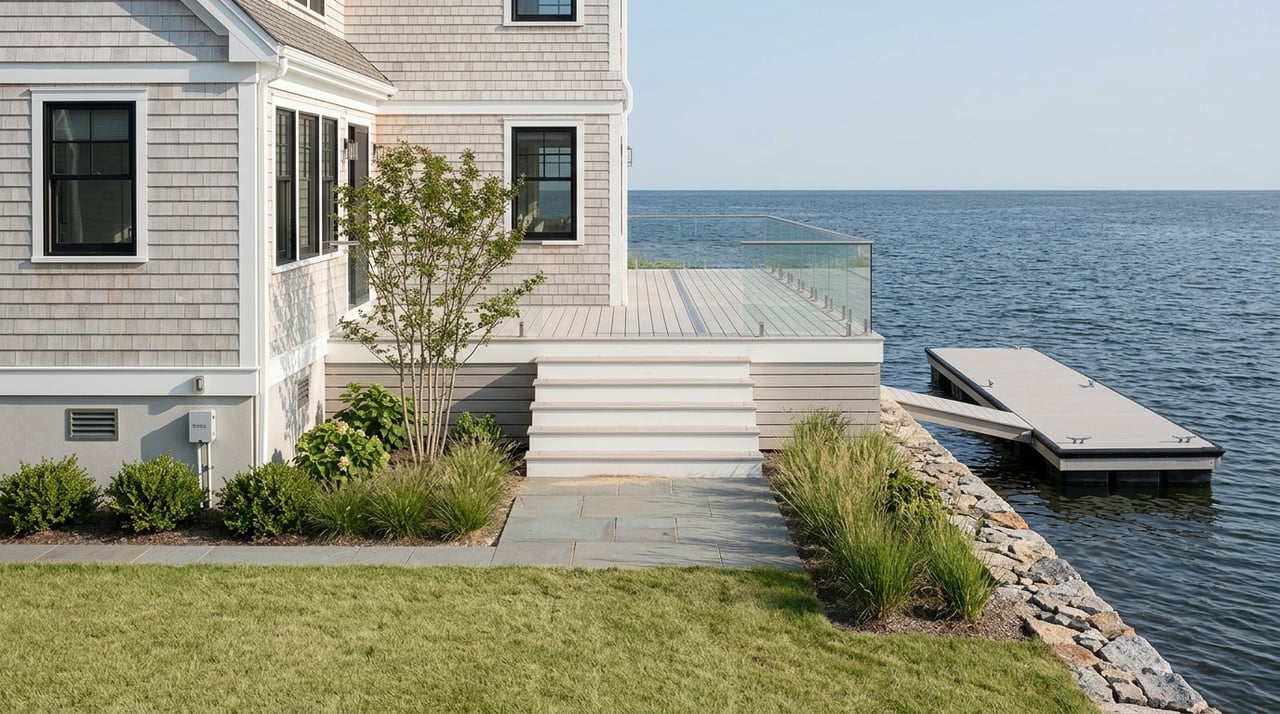
Not every home near the water comes with the same level of complexity. If you are looking at direct waterfront property, there may be additional review and permitting requirements depending on the location and the work involved.
The city notes that parts of Norwalk fall within the Coastal Area Management Zone. Work involving docks, seawalls, marsh alterations, and some projects near tidal wetlands can require added shoreline-specific oversight.
That does not mean you should avoid direct waterfront property. It simply means you should go in with clear expectations and a solid understanding of what ownership, maintenance, and future improvements may involve.
Housing Options Near the Water Vary
Norwalk’s waterfront market is not limited to one property type. Current market snapshots show waterfront condos and houses, and attached housing is also part of the broader Norwalk market.
For you, that can open up more ways to enter the waterfront conversation. Depending on your goals, you may be comparing a single-family home, a condo with water views, or another attached housing option near beaches, marinas, or commuter access.
This is where local guidance matters. Two homes may both be described as near the water, but the lifestyle, access, upkeep, and daily convenience can be very different.
What Buyers Should Focus On First
If you are seriously considering waterfront living in Norwalk, it helps to narrow your search around how you want to live, not just what you want to see from the window.
Start with questions like these:
- Do you want beach access, boating access, or both?
- Are you looking for a quieter residential setting or a more active seasonal environment?
- How important is train access for your weekly routine?
- Would a condo, attached home, or single-family property fit your needs best?
- If you want direct waterfront, are you comfortable with added property oversight and maintenance considerations?
The right fit usually comes from matching your routine to the right pocket of Norwalk. That is often more useful than searching broadly for anything labeled waterfront.
If you want help sorting through Norwalk’s shoreline options, neighborhood differences, and the practical side of buying near the water in Fairfield County, schedule a personalized consultation with Linda Dunsmore Real Estate.
FAQs
What does waterfront living in Norwalk, CT include?
- Waterfront living in Norwalk can include beach access, marina access, harbor views, boating facilities, paddling, waterfront parks, and neighborhood settings such as East Norwalk and Rowayton.
What beaches are part of daily life in Norwalk, CT?
- City beaches and swimming areas include Calf Pasture, Harbor View, Rowayton, Shady, Shorefront, Village Creek, and Wilson Point, with Calf Pasture and Shady Beach serving as major recreation hubs.
What should buyers know about marinas in Norwalk, CT?
- Norwalk’s harbor includes 15 marinas, 13 private clubs with boating facilities, more than 1,800 berthing spaces, and more than 500 mooring locations, but access to slips and launches is managed and can be limited.
What should buyers know about beach parking in Norwalk, CT?
- Beach parking is seasonal and regulated. The city says residents must verify their plate on the Grand List for Calf Pasture or Shady Beach parking, and non-resident parking is more limited.
Is Norwalk, CT a good fit for waterfront commuters?
- Norwalk offers four commuter rail stations with Metro-North service, plus bus connections, which can make waterfront living more practical for buyers who commute regularly.
What extra rules apply to direct waterfront property in Norwalk, CT?
- Some direct waterfront properties may involve added permitting or review for work related to docks, seawalls, marsh areas, or tidal wetlands because parts of Norwalk fall within the Coastal Area Management Zone.