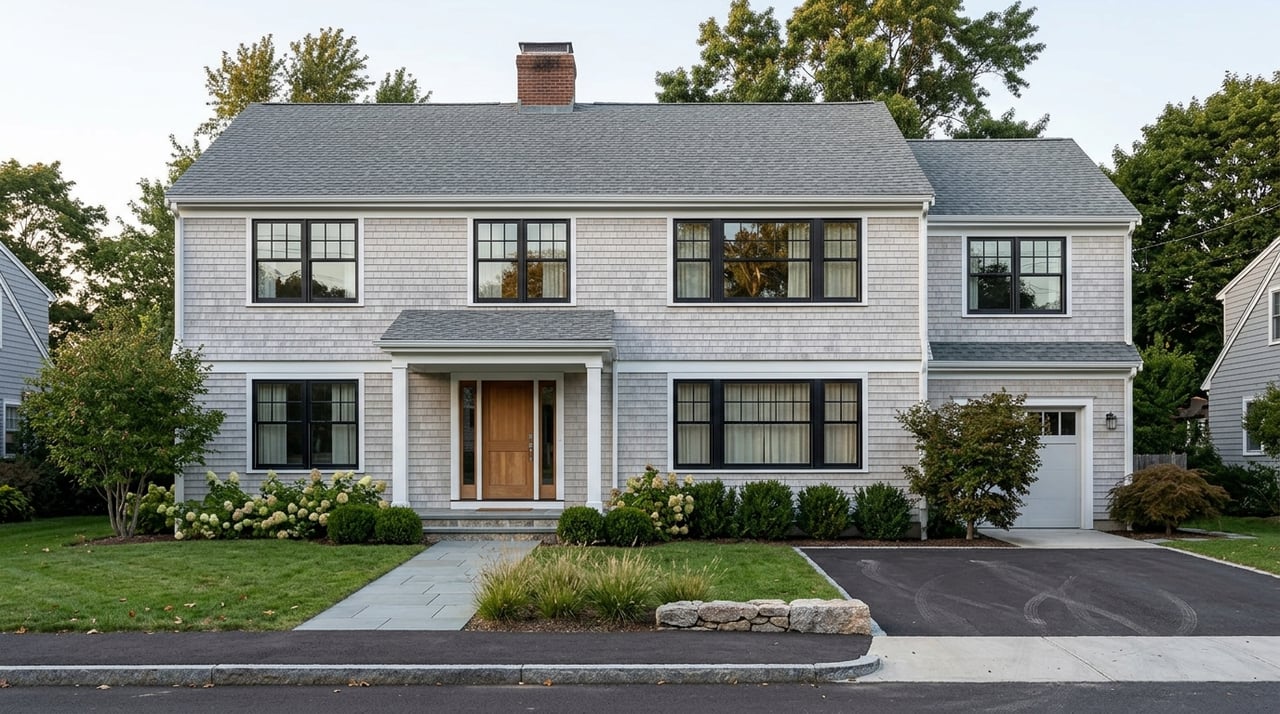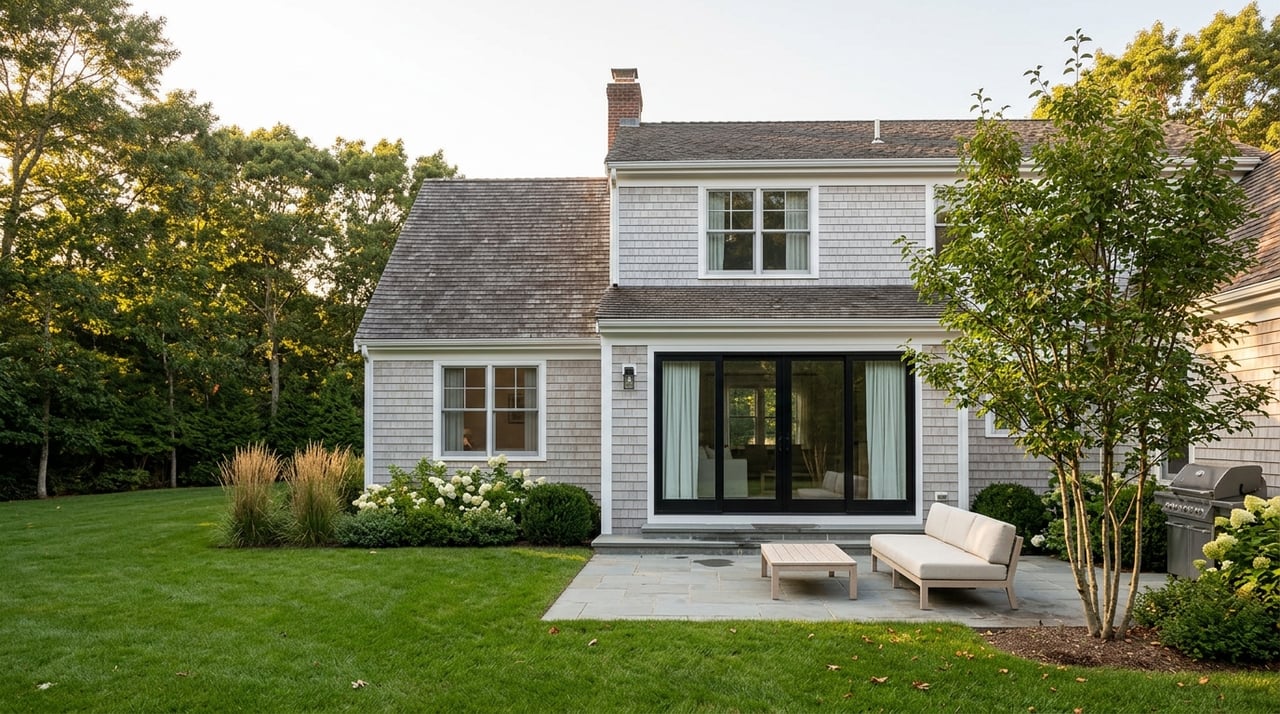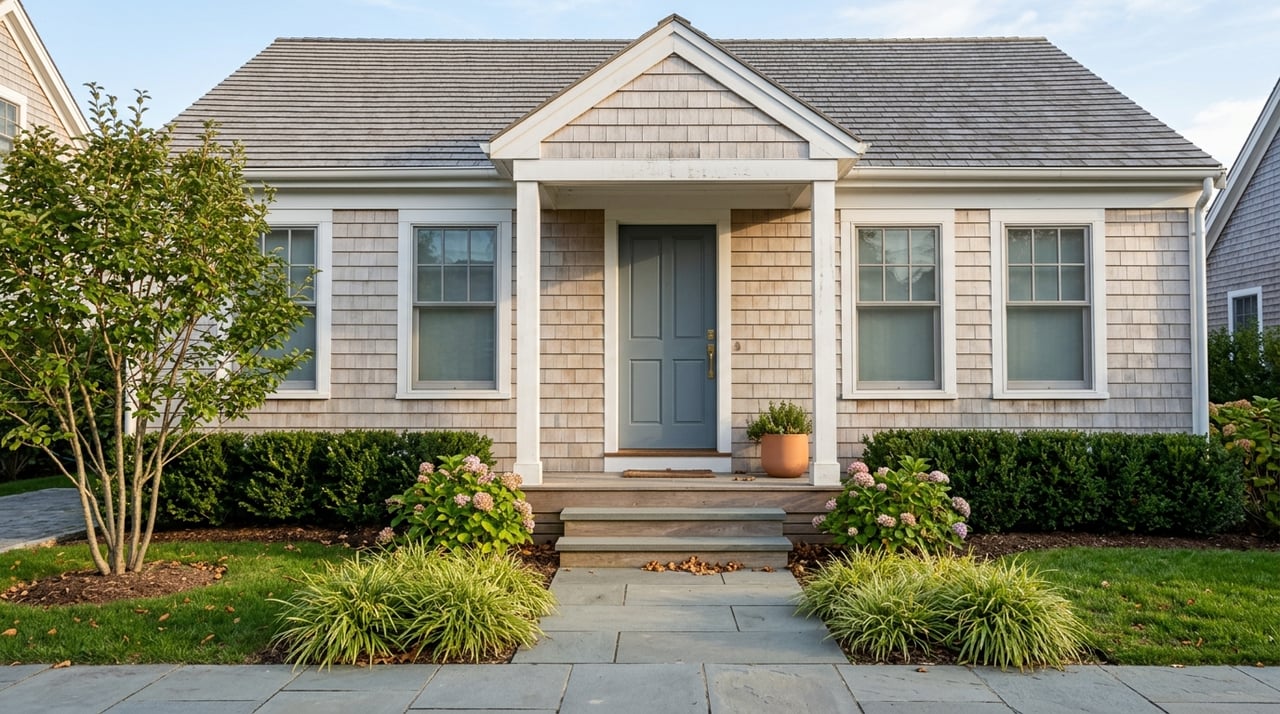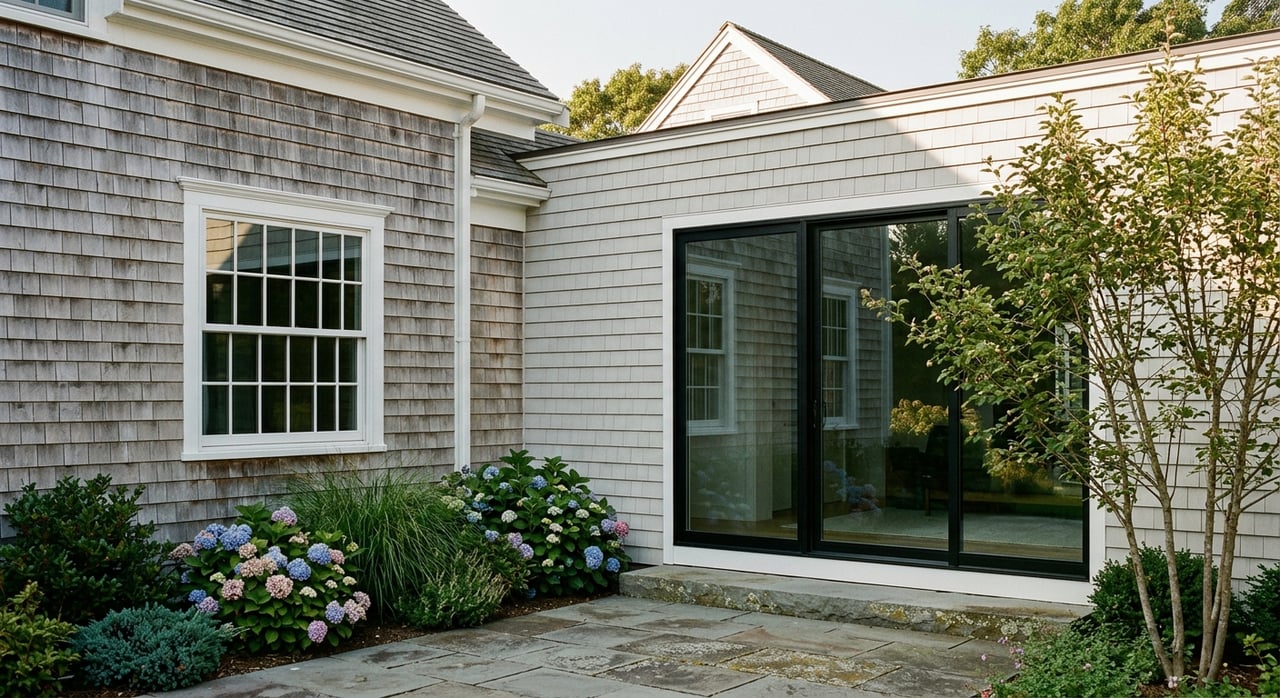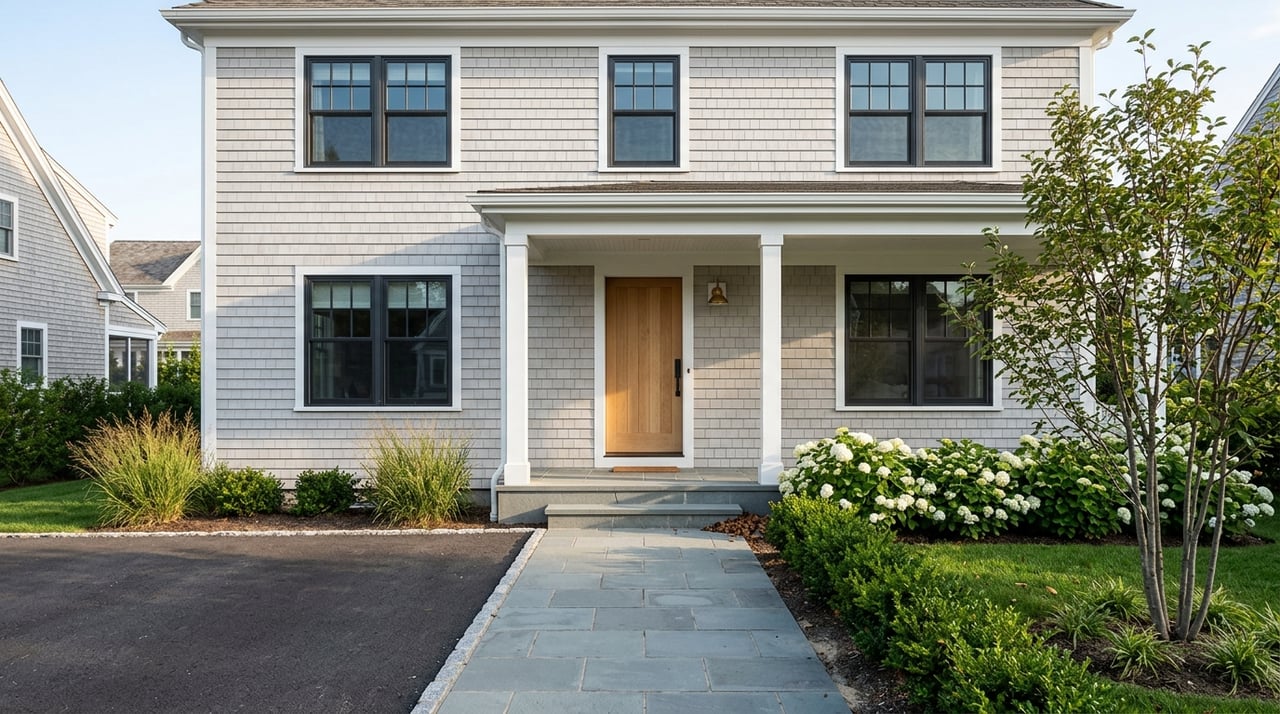
Buying your first home in Norwalk can feel like a math problem with a moving deadline. You are likely balancing price, monthly payment, commute, and how much work you can realistically take on in an older home or condo. The good news is that Norwalk gives first-time buyers more than one path into the market, especially if you compare total cost and daily-life fit instead of list price alone. Let’s break down what starter homes and condos in Norwalk really look like.
Norwalk starter options at a glance
Norwalk offers a mix of housing types, which matters if you are trying to get into the market for the first time. City housing data shows that 46.6% of units are 1-unit detached homes, 6.0% are 1-unit attached, and 28.2% are multifamily buildings with more than four units. That variety gives you a real choice between a smaller detached house and a condo-style entry point.
Smaller homes and condos play an important role here. While most owner-occupied homes in Norwalk have 3 or more bedrooms, 21.6% are 2-bedroom units and 3.7% are 1-bedroom units. For many first-time buyers, those smaller options are the most realistic way to balance ownership goals with monthly costs.
What prices mean in Norwalk
It helps to separate broad market benchmarks from current listing conditions. Census data puts Norwalk’s median owner-occupied home value at $558,000, while more current market snapshots show a median home sale price of $718,000 and a median condo listing price of $437,000. In simple terms, the older census number is a useful baseline, but today’s asking and sale prices may run higher.
That price gap is one reason condos draw so much attention from first-time buyers. A condo may offer a lower purchase price than a detached home, but your real decision should come down to total monthly ownership cost, not just what shows up in the listing feed.
What starter condos usually look like
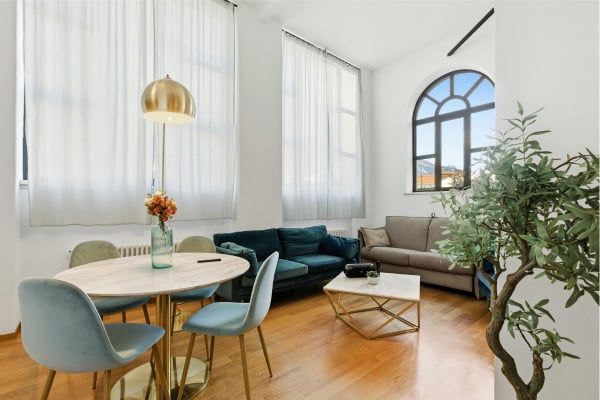
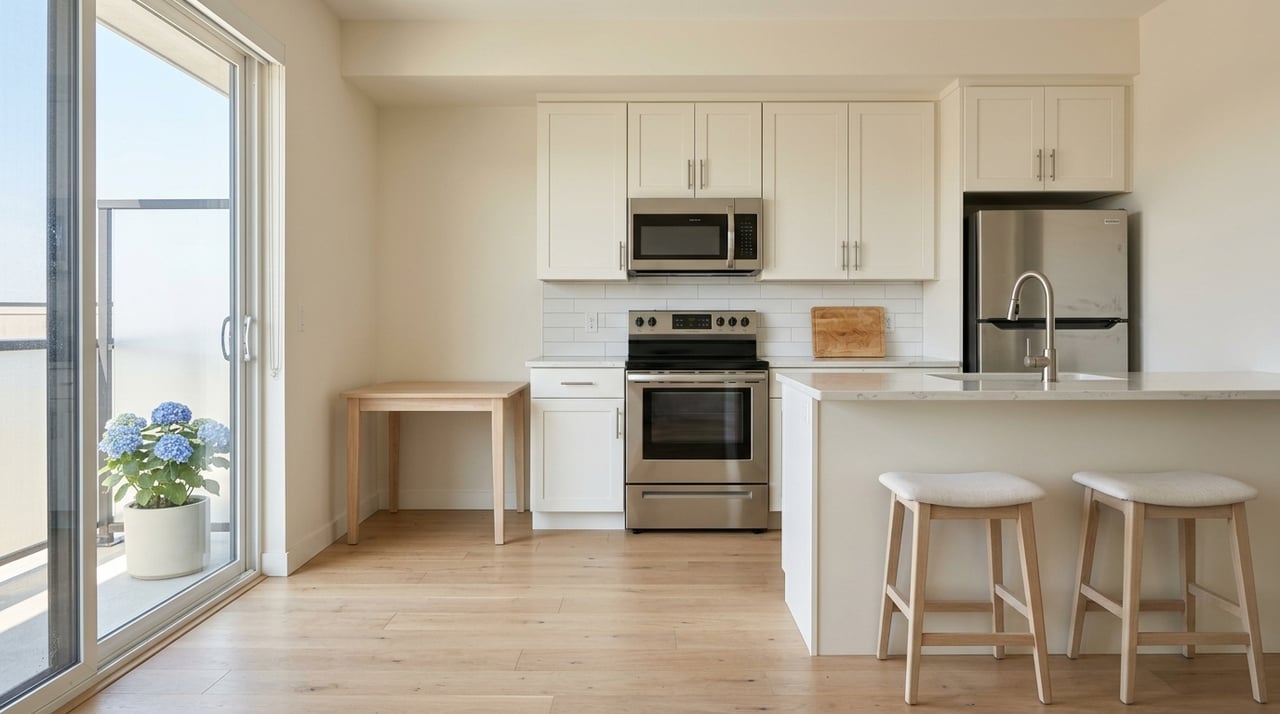
In Norwalk, starter condos are often older 1- or 2-bedroom units rather than new construction. Current examples include buildings from the 1970s and 1980s, along with units such as a 1-bedroom, 550-square-foot condo and a 2-bedroom, 1,220-square-foot condo. That means you may find a more approachable price point, but you should expect an older building in many cases.
Older condos are not automatically a bad fit. In fact, they can work well if you want less exterior maintenance and a simpler day-to-day ownership experience. The key is understanding what you are paying for each month and what condition the building is in.
HOA fees matter more than you think
Current listing samples show HOA fees ranging from about $330 to $524 per month. Some communities include items like grounds maintenance, trash pickup, property management, snow removal, water, sewer, insurance, or even heat and hot water. Others may include amenities such as a pool, clubhouse, road maintenance, or landscaping.
That is why a lower HOA fee is not always the better deal. If one building includes heat, hot water, or other utilities, your total monthly cost may be more predictable than in a building with a lower fee but more out-of-pocket bills.
Questions to ask about a condo
Before you move forward on a condo, focus on the monthly details that affect your budget and lifestyle.
- What does the HOA fee include?
- Are any utilities covered?
- Is there assigned parking or guest parking?
- Which amenities are included, and will you actually use them?
- What are the building’s age and maintenance needs?
- What should you expect to pay each month beyond mortgage, taxes, and HOA?
What starter single-family homes usually look like
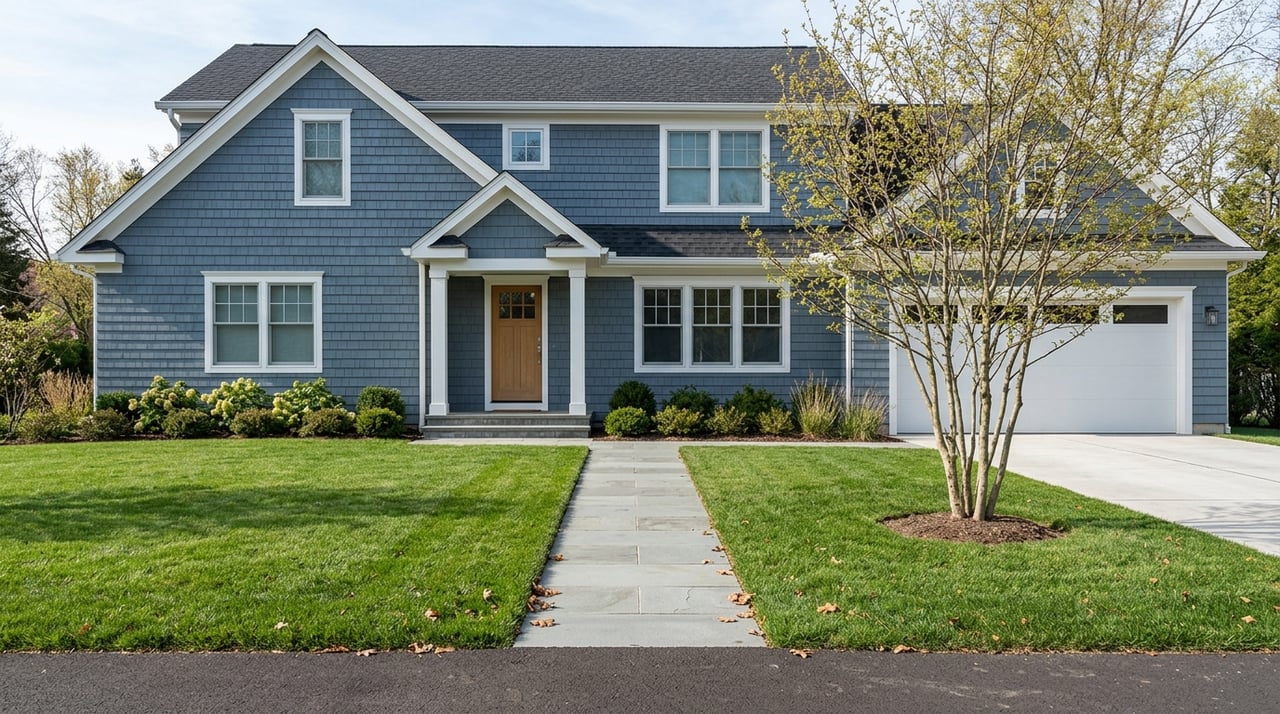
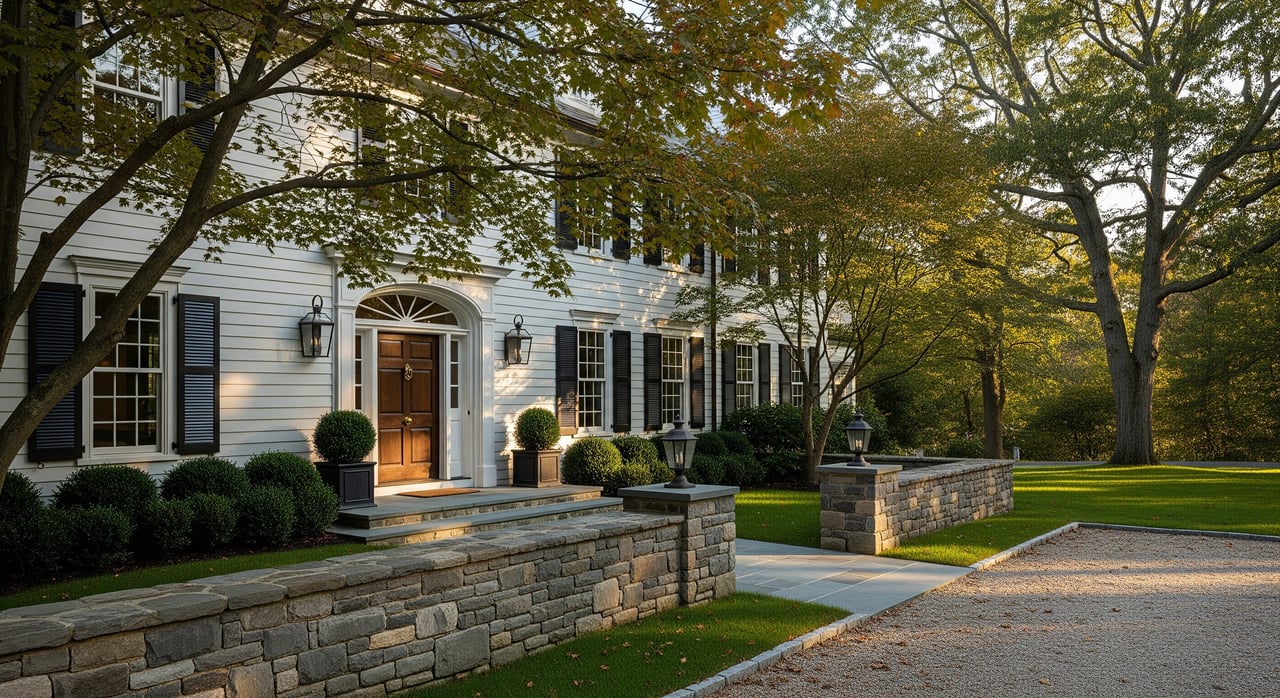
Detached starter homes do exist in Norwalk, but they often come with trade-offs. Current public listings show smaller and older options, including 2-bedroom homes around $475,000 to $550,000 and larger 3-bedroom homes closer to the upper $700,000s. You may also see ranch and raised-ranch styles in the mix.
For many first-time buyers, the challenge is not finding any detached home. It is finding one that fits both your budget and your expectations. Because most owner-occupied homes in Norwalk have 3 or more bedrooms, the more affordable detached options are often the ones with less square footage, more dated finishes, or a location compromise.
Older homes need a repair budget
Norwalk has an older housing stock, and that should shape how you plan. City data shows that 27.3% of owner-occupied units were built before 1950, and 51.7% were built from 1950 to 1979. Overall, about 79% of owner-occupied units were built before 1980.
For you, that means inspection and repair planning matter from day one. If you are considering an older home or condo, ask about the age and condition of major systems and whether lead-paint precautions may apply. Older homes can be a smart entry point, but only if your budget leaves room for ongoing upkeep.
Estimate your monthly cost first
One of the biggest first-time buyer mistakes is focusing too much on the list price. In Norwalk, your monthly payment can look very different once you add property taxes, HOA fees, insurance, and maintenance.
Connecticut assesses real estate at 70% of fair market value, and Norwalk’s FY2025-26 average mill rate is 23.897. A simple tax estimate is:
Market value × 0.70 × mill rate ÷ 1000
Using that formula, a $437,000 condo works out to about $609 per month in property taxes. A $718,000 home works out to about $1,001 per month in property taxes, though the exact bill depends on the taxing district.
Using Freddie Mac’s July 16, 2026 average 30-year fixed rate of 6.55%, a 10% down loan on $437,000 comes to about $2,499 per month in principal and interest. A 10% down loan on $718,000 comes to about $4,106 per month in principal and interest.
When you combine those numbers, a sample Norwalk condo payment can land around $3,438 to $3,632 per month before insurance and any utilities not included in the HOA. A comparable detached-home example comes out to about $5,107 per month before insurance and maintenance.
Norwalk’s median selected monthly owner costs with a mortgage are $3,179. That is a useful benchmark as you test whether a specific property feels comfortably affordable or financially stretched.
Commute should shape your search
If you travel for work, commute planning should be one of your first filters. Norwalk offers access to Metro-North stations at South Norwalk, East Norwalk, Rowayton, and Merritt 7. South Norwalk and East Norwalk are on the New Haven Line, while Merritt 7 is on the Danbury Branch.
The Norwalk Transit District also runs fixed routes, commuter shuttles that connect with Metro-North, and on-demand WHEELS2U service. Its network connects South Norwalk Station and East Norwalk Station, and Route 3 serves Merritt 7. For some buyers, easier transit access can make a smaller condo or older home feel like the better overall choice.
How to choose between a condo and a house
The right answer depends on your budget, your routine, and your tolerance for upkeep. A condo may help you enter the market sooner and reduce exterior maintenance, but it adds HOA rules and fees. A detached home may give you more privacy and control, but it usually comes with a higher monthly cost and more repair responsibility.
Here is a simple way to think about it:
A condo may fit better if you want
- A lower purchase price than many detached homes
- Predictable maintenance through an HOA
- Access to transit without stretching for a larger house
- Less exterior upkeep in an older building
A detached home may fit better if you want
- More privacy and separation from neighbors
- No HOA structure to manage your day-to-day ownership
- Outdoor space or more flexibility with the property
- Room to take on updates over time
Your first priorities in Norwalk
If you are starting your search now, narrow your focus to the factors that really affect your experience. In Norwalk, the most important filters are usually payment ceiling, commute access, bedroom count, parking, building age, and maintenance comfort.
Once those basics are clear, your search gets much easier. Amenities like a pool or clubhouse can be nice to have, but they should come after the fundamentals of affordability and fit.
A smart first-time buyer checklist includes:
- Your true monthly payment ceiling
- Your ideal commute setup
- Minimum bedroom count
- Parking needs
- Your comfort with HOA fees and rules
- Your comfort with repairs in an older property
- A plan for inspection, maintenance, and reserve savings
Buying your first place in Norwalk is rarely about finding a perfect property right away. It is usually about finding the right trade-off, at the right monthly cost, for the life you actually live. If you want help comparing condos, smaller homes, and commute-friendly options across Norwalk, Linda Dunsmore Real Estate can help you make a clear, financially informed decision.
FAQs
What is the typical price difference between starter condos and homes in Norwalk?
- Current snapshots show a median condo listing price of about $437,000 and a median home sale price of about $718,000, though individual properties vary by size, age, and condition.
What should first-time buyers in Norwalk know about HOA fees?
- HOA fees in current examples run from about $330 to $524 per month, and what they cover varies widely, so you should compare the fee, included utilities, and any amenities before judging total cost.
What do starter single-family homes in Norwalk usually look like?
- Many starter detached homes are smaller, older, or both, with current examples including 2-bedroom homes in lower price ranges and larger 3-bedroom homes at higher prices.
How can first-time buyers estimate property taxes in Norwalk?
- A quick estimate uses market value × 0.70 × 23.897 ÷ 1000, though the actual tax bill depends on the taxing district.
Why does building age matter for first-time buyers in Norwalk?
- Because much of Norwalk’s owner-occupied housing was built before 1980, you should pay close attention to system age, repair needs, and possible lead-paint precautions when evaluating a home or condo.
How should commuters factor transit into a Norwalk home search?
- You should check access to Metro-North stations like South Norwalk, East Norwalk, Rowayton, and Merritt 7, along with Norwalk Transit District routes and commuter shuttle connections, before deciding which areas fit your daily routine best.