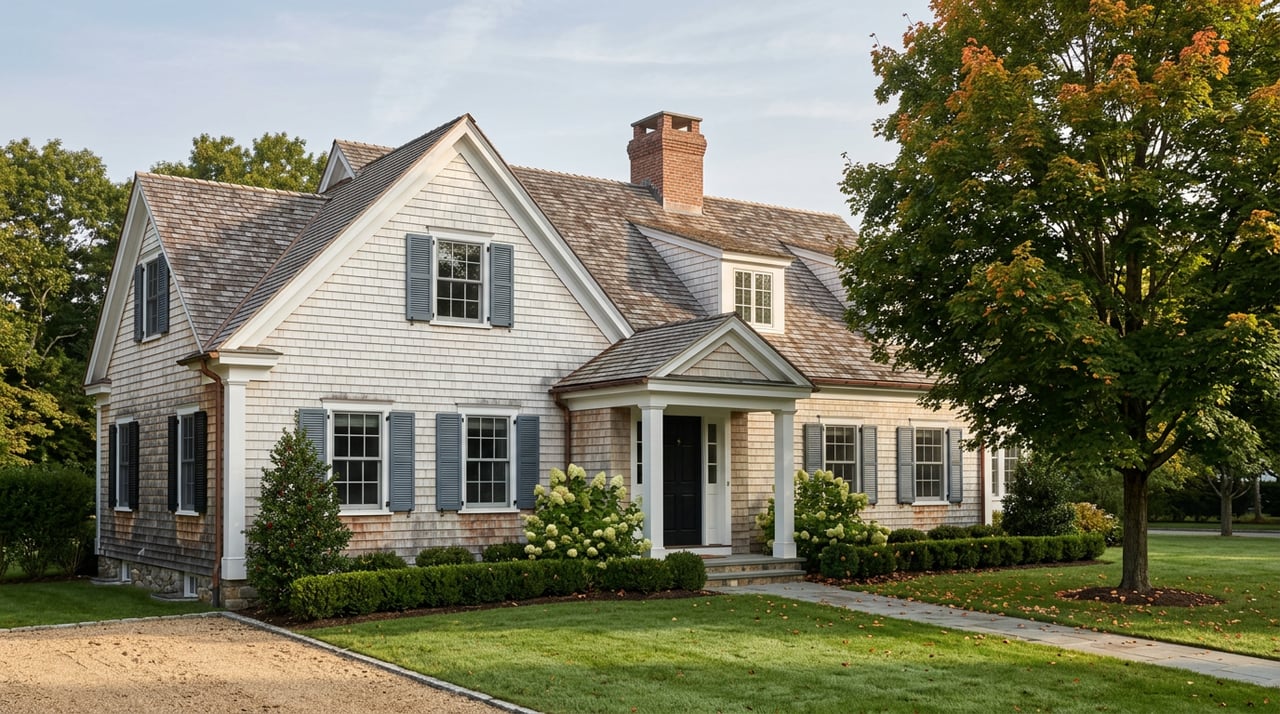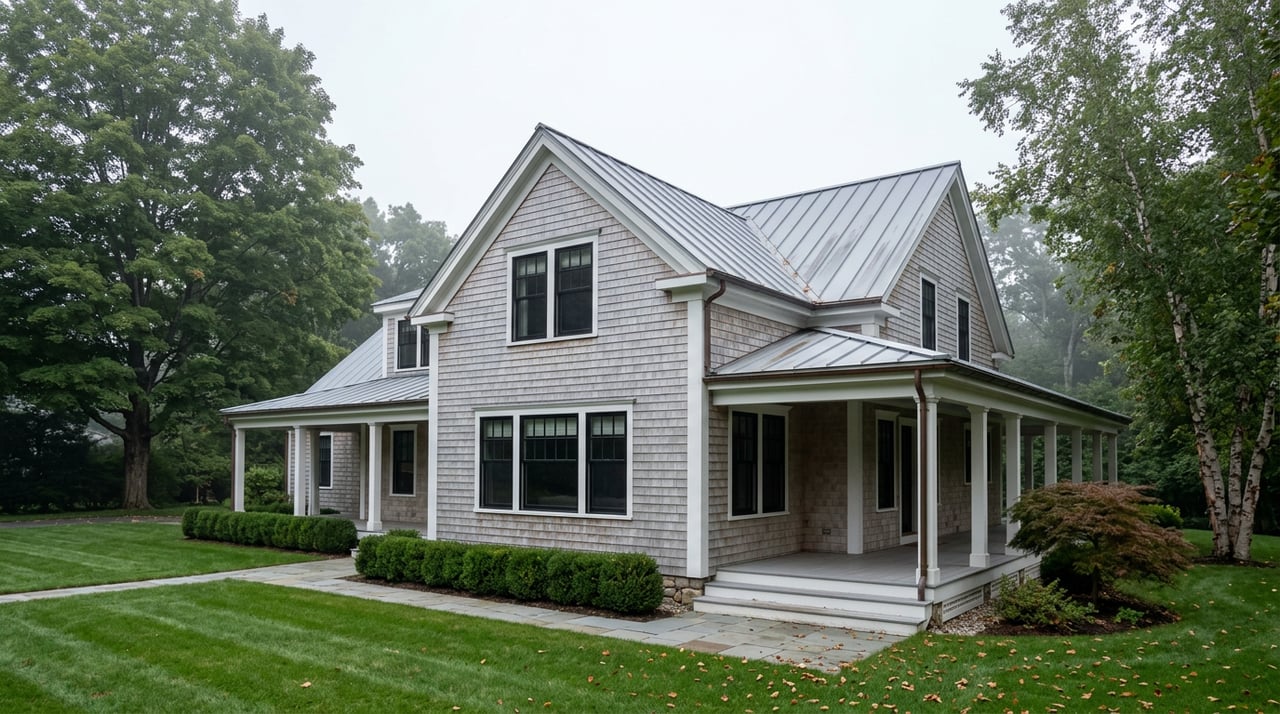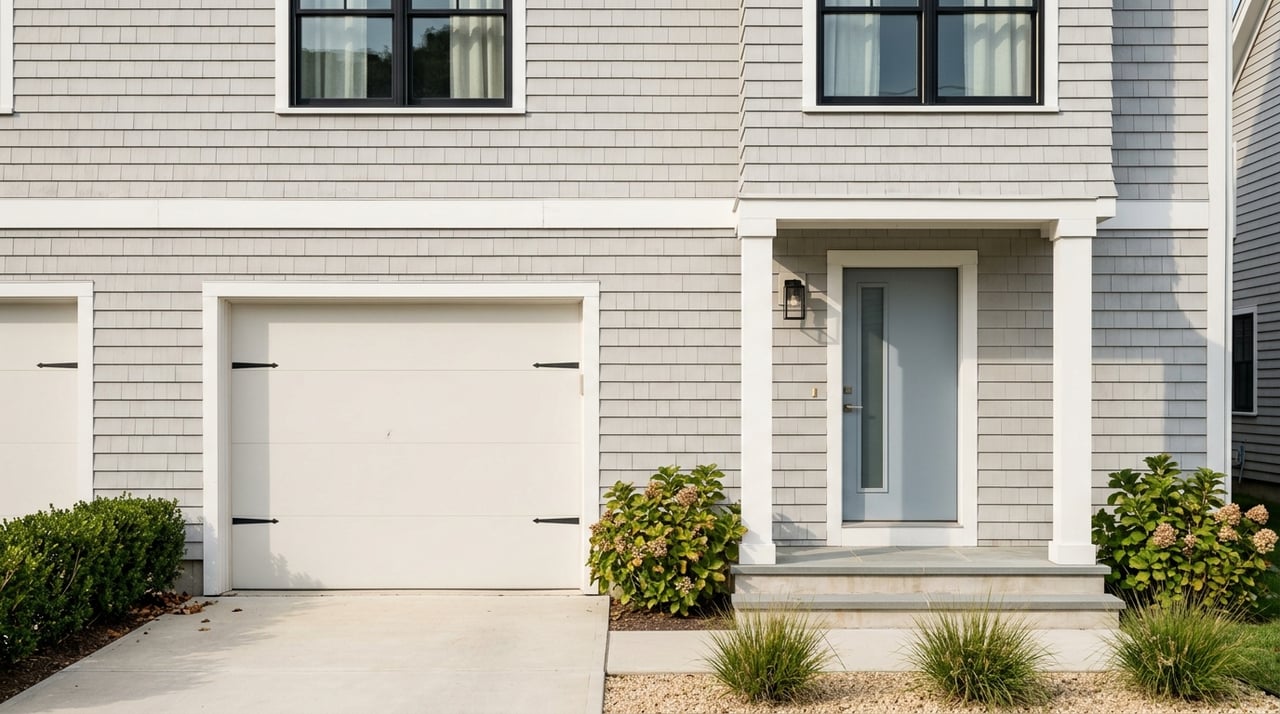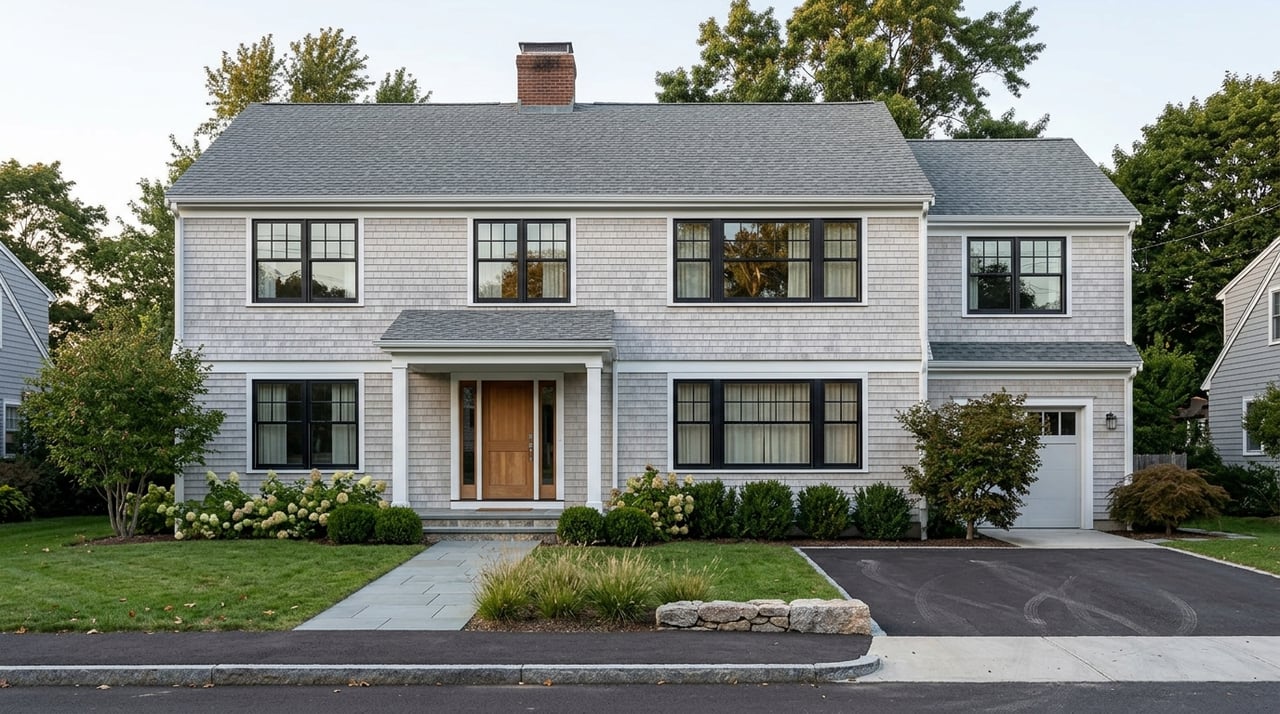
A Wilton seller runs the numbers before listing. Commission, a rough guess at attorney fees, maybe a repair credit or two. Then the settlement statement arrives on closing day and two line items are bigger than expected: the state conveyance tax, and the number of weeks it took to get from accepted offer to closing table. Neither one was a surprise because the math is secret. It's a surprise because the math that applies to most of Connecticut doesn't quite apply to Wilton, and nobody walks a seller through why.
Here is the thesis in one sentence: Wilton's own price point and its own land pushed most sellers past two thresholds that generic Connecticut closing-cost guides gloss over, and the two thresholds compound each other on the calendar and on the check.
The bracket you crossed without noticing
Connecticut's real estate conveyance tax isn't a flat percentage. It's tiered. The state charges 0.75 percent on the portion of a sale price up to $800,000, then 1.25 percent on the portion between $800,000 and $2.5 million, with an even steeper rate on anything above that. On top of the state tax, towns add their own municipal conveyance tax, typically 0.25 percent of the sale price, with a short list of designated communities like Stamford, Norwalk, and Bridgeport permitted to charge more. Wilton is not on that list, so the standard 0.25 percent municipal rate applies here.
That structure matters because of where Wilton actually sells. The town's median sale price sat at $1,345,000 as of August 2026, according to SmartMLS data. That's not a rounding error above the $800,000 bracket line. It's $545,000 into the second tier.
Run the math on a home at that median and the state tax alone comes to $12,812.50, not the $10,087.50 a flat 0.75 percent estimate would suggest. Add the municipal tax at 0.25 percent and the total climbs to roughly $16,175. A seller who used a quick online rule of thumb, the kind built around a flat state rate, would have underestimated the combined conveyance tax by around $6,000 on a median-priced home. That's before commission, before attorney fees, before anything else on the settlement statement.
This is the part most closing-cost content skips. Guides written for a statewide audience use round, low examples because most Connecticut towns sell well under $800,000. Wilton doesn't. At Wilton's current price point, the second bracket isn't an edge case. It's the default.
Why Wilton sits above that line so often
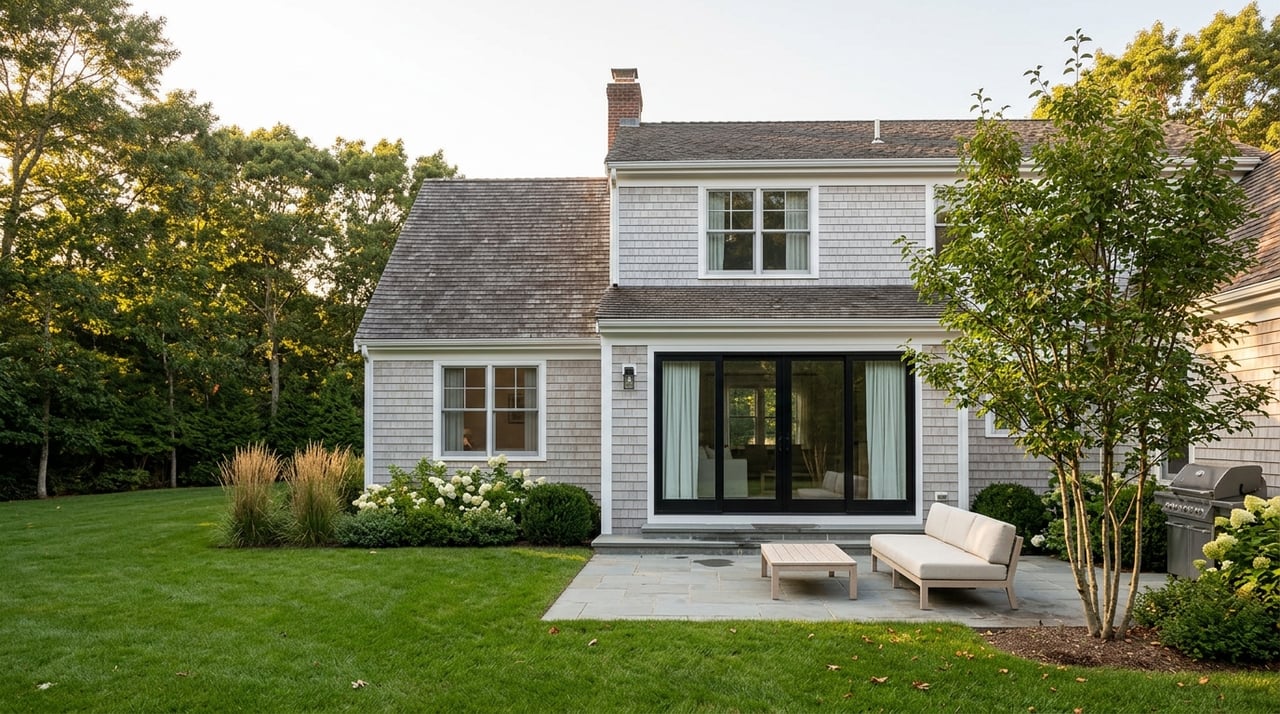
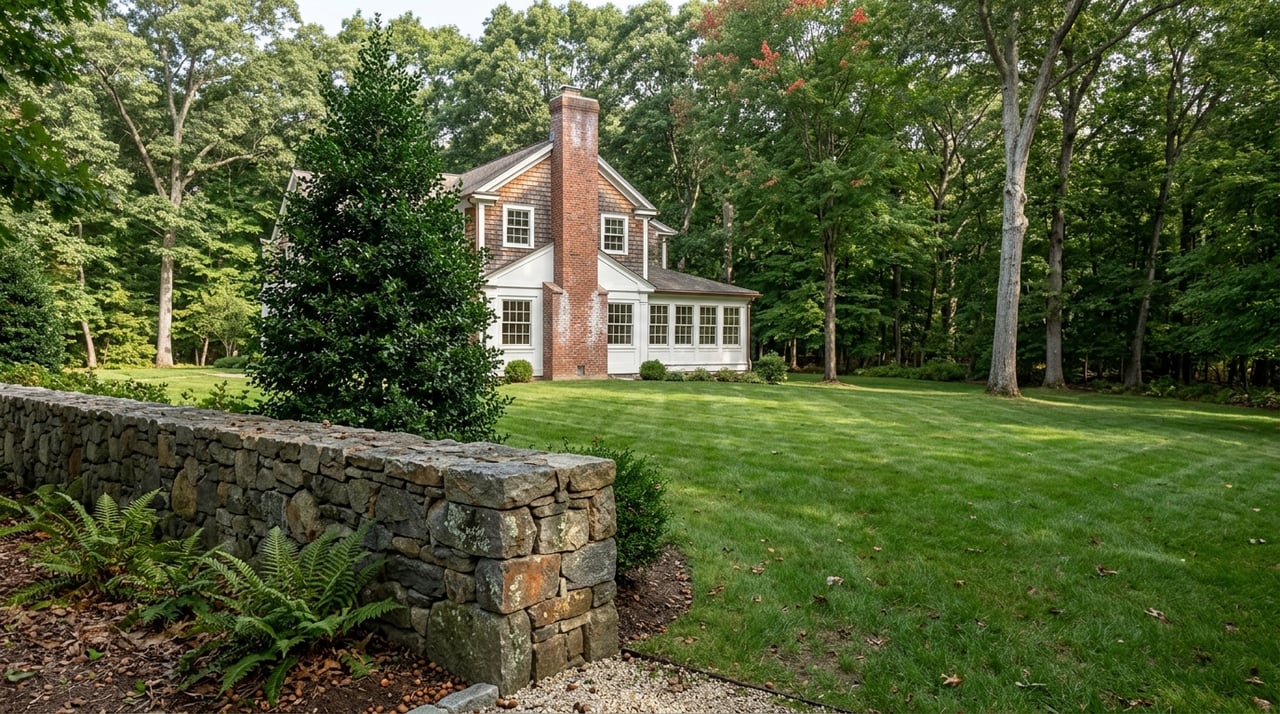
Wilton covers roughly 27 square miles, more land area than New Canaan and more than double Darien, and the town has stayed organized around acreage rather than density. Larger lots, more woods, more privacy per address. That land-first character is a big part of why Wilton's price point runs where it does, and it's also why the conveyance tax bracket isn't a rare outcome here the way it might be in a smaller, more compact town nearby.
It's worth sitting with what that means at the negotiating table. A buyer and seller can agree on a number that feels fair against comparable Wilton sales and still land in a spot where the tax math surprises one side. Sellers who know the bracket ahead of time can build it into their net proceeds estimate from day one, rather than discovering the gap when the attorney sends over the closing figures.
The other clock: well and septic due diligence
The tax bracket is one friction point. The second is the calendar, and it comes from the same acreage-driven character that shapes Wilton's price point.
Wilton has a Water and Sewer Authority, but it serves a defined district, not the whole town. Properties inside that district pay for it directly. For the fiscal year that ended in June 2026, the sewer user charge was $300 per unit, billed annually, with separate capital assessments billed on their own schedule. Outside that district, and that's most of Wilton's land, homes run on private wells and septic systems, governed by the town's own Sanitary Code, which sets out specific requirements down to how far a well has to sit from a septic discharge point.
That distinction changes the due diligence timeline for a sale. A buyer purchasing a home on town water and sewer typically deals with a standard home inspection and moves on. A buyer purchasing a well-and-septic home in Wilton, which describes most of the town, usually wants a well flow test to confirm the system produces enough water for the household, plus a septic inspection. Connecticut's own Department of Public Health describes the methods inspectors commonly use on septic systems: a flooding or push test that simulates peak household water use, a dye test that traces effluent movement, and a probe test to physically locate the tank and leaching fields. The state's own guidance is candid that passing one of these tests doesn't guarantee a system has no problems, which is exactly why buyers and their attorneys tend to build real time into the contract for this step rather than treating it as a formality.
None of that testing happens instantly. Scheduling a well or septic contractor, waiting on results, and addressing anything the results turn up all take real days, sometimes real weeks, layered on top of whatever else the purchase agreement's contingency period already covers.
Selling a well-and-septic home at a price point that clears $800,000 means two separate clocks are running at once: a tax bracket that's already been triggered, and a due diligence window that takes longer than a public-utility comp would.
Where the two frictions compound
Here's where it gets practical for anyone actually preparing to list. A seller who prices a home in line with Wilton's market, accepts a strong offer, and then agrees to a fast closing date without accounting for well and septic scheduling can end up asking a buyer for an extension, which weakens negotiating position at exactly the moment leverage matters most. A seller who doesn't build the correct conveyance tax bracket into their net proceeds estimate can be genuinely caught off guard by a settlement statement that looks different from the number they had in mind for months.
Neither problem is created by anything Wilton is doing wrong. Both come directly from the same thing that makes Wilton attractive in the first place: land, privacy, and a price point that reflects both.
A short list worth reviewing before a Wilton listing goes live:
- Ask for a net proceeds estimate built on the actual conveyance tax brackets, not a flat percentage assumption
- Confirm in writing whether the property is inside the Water and Sewer Authority's service district or on private well and septic
- If it's well and septic, get flow and inspection testing scheduled early, ideally before the home goes live, rather than waiting for a buyer's inspection contingency clock to start it
- Loop in a Connecticut real estate attorney early, since the state requires attorney-conducted closings and the tax and inspection timing both flow through that process
- Revisit the closing date conversation once test results are in hand, not before
None of this changes what a Wilton home is worth. It changes whether the number on the settlement statement matches the number a seller has been picturing since the day they decided to list.
A few questions worth asking before you list
Does every home in Wilton run on well and septic? No. The Water and Sewer Authority serves a defined district within town, and properties there pay the Authority's annual charges. But that district doesn't cover the whole town, and most of Wilton's land remains on private wells and septic systems under the town's own Sanitary Code.
Is there any way around the higher conveyance tax bracket? The bracket is tied to the sale price itself, not to how a deal is structured, though certain transfers, between spouses, through divorce, or to qualifying nonprofits, are exempt under state law. For a standard sale above $800,000, the higher rate on the portion over that line applies regardless of commission structure or contract terms.
How early should well and septic testing start before listing? Earlier than most sellers assume. A flow test, a septic pump and inspection, and any follow up work the results point to can each take real time to schedule and complete. Starting that process before a home goes live, rather than after an offer comes in, keeps a seller in control of the closing date instead of reacting to it.
Selling a Wilton home well means treating both of these frictions as planning inputs from the start, not surprises to manage after an offer is in hand. If you're weighing a listing and want a net proceeds estimate that accounts for the real conveyance tax bracket and a closing timeline that accounts for your home's actual water and septic setup, Linda Dunsmore can walk through both before you go live. Schedule a personalized consultation and get the full picture, not the flat-rate version.